


Annual
Subscribe for one year to access all your favourite downloads
500 / year


Embarking on a spiritual journey can feel like navigating an uncharted sea. Countless books promise enlightenment, but discerning genuine wisdom from fleeting trends requires careful consideration. This is where book reviews become indispensable tools, acting as lighthouses guiding us toward authentic insights.
Forget fleeting opinions; insightful book reviews delve deeper. They evaluate a book’s potential to foster personal transformation, its contribution to ongoing spiritual dialogues, and its lasting impact on the reader. They act as curators, directing seekers toward reliable sources and away from potentially misleading or superficial content. Think of it like choosing a tour guide for a sacred site – you want someone knowledgeable and trustworthy.
This exploration highlights the often-overlooked significance of book reviews in the spiritual domain. We’ll uncover how they validate, filter, and catalyze personal evolution, empowering readers to make informed choices on their unique paths. When seeking profound change, healing your past and designing your future is key, and well-informed choices, guided by insightful reviews, play a vital role.

Spiritual book reviews offer readers a multifaceted perspective. They provide critical analysis, contextual understanding, and comparative insights, all contributing to a more enriching and meaningful reading experience. It’s like having a seasoned traveler share their experiences and tips before you embark on your own adventure.
A key function of a spiritual book review is validating the material’s authenticity. In a market flooded with self-proclaimed experts and questionable teachings, reviews help distinguish genuine wisdom from empty promises. A strong review will assess the author’s background, the consistency of their message with established spiritual principles, and the overall integrity of the work. For example, a review might point out if an author’s claims contradict well-established teachings from respected spiritual traditions.
Reviews act as filters, sifting through the vast landscape of spiritual literature to highlight works that are particularly insightful, well-written, and relevant to the reader’s specific needs. They offer guidance by summarizing core themes, identifying strengths and weaknesses, and suggesting appropriate audiences. Imagine you’re looking for a book on mindfulness – a review can help you determine if a particular book focuses on beginner-friendly techniques or more advanced practices.
Beyond simple evaluation, reviews can spark personal growth. By highlighting key concepts and prompting reflection, they encourage readers to engage with the material on a deeper level. A well-written review can ignite new ideas, challenge existing beliefs, and inspire positive change. For instance, a review might highlight a specific exercise or meditation technique from a book, prompting the reader to try it and experience its potential benefits firsthand.

Not all book reviews are created equal. To effectively use reviews on your spiritual journey, you must understand how to evaluate their quality and relevance.
Consider the reviewer’s potential biases. Are they aligned with a specific spiritual tradition or organization? Do they have a personal connection to the author? While complete objectivity is rare, a good review will acknowledge any potential conflicts of interest and strive for fairness. For example, a reviewer might disclose their affiliation with a particular yoga school when reviewing a book on yoga philosophy.
Seek reviews that go beyond superficial summaries and offer in-depth analysis of the book’s content. The reviewer should articulate the book’s strengths and weaknesses, identify its target audience, and assess its overall impact. A superficial review might simply say “This book is great!” while a more in-depth review will explain why it’s great and for whom it would be most beneficial.
Ultimately, the most important factor is the review’s relevance to your individual needs. Consider your spiritual goals, interests, and background when assessing the reviewer’s comments. A book that resonates with one person may not suit another. If you’re a beginner, look for reviews that recommend books geared towards newcomers to spiritual practices.
Book reviews are invaluable resources for navigating the complex world of spiritual literature. By providing validation, guidance, and inspiration, they empower readers to make informed decisions and embark on meaningful journeys of self-discovery. By carefully evaluating the quality and relevance of reviews, you can unlock their full potential and enrich your spiritual understanding. Think of them as trusted companions on your quest for inner wisdom.
If you want a practical next step, you can also check out Become an Ultimate Master of your life.

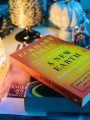 The Power of Now Review: Lessons from Eckhart Tolle’s ClassicGeneral
 The Power of Now Review: Lessons on Presence & Ending SufferingGeneral
 Book Review: The Power of Now Summary & Key LessonsGeneral
 The Power of Now Review: Lessons on Presence & Inner PeaceGeneral
 The Self-Help De-Influence Movement: Beyond Toxic PositivityGeneral
 Kryon: Ancient Prophecy & Humanity’s Next Evolutionary StepGeneralThe Power of Now Review: Lessons from Eckhart Tolle’s ClassicGeneralThe Power of Now Review: Lessons on Presence & Ending SufferingGeneralBook Review: The Power of Now Summary & Key LessonsGeneralThe Power of Now Review: Lessons on Presence & Inner PeaceGeneral
Sign in without leaving this document. You will return here automatically.

The Ultimate Masters
https://www.ultimatemasters.org
Subscribe for one year to access all your favourite downloads
500 / year
Unlimited downloads forever
Unlimited downloads
Subscribe for one to access hundreds of downloads.
50 / month
Subscribe quarterly/per term
75 / month
The Ultimate Masters
https://www.ultimatemasters.org
Continue directly to this store’s secure WooCommerce checkout.
Earn direct and team commission with personal links, campaign creatives, discount coupons and transparent reporting.
0 responses on "Beyond the Stars: Exploring the Role of Book Reviews in Shaping Spiritual Understanding"