




Annual
Subscribe for one year to access all your favourite downloads
500 / year
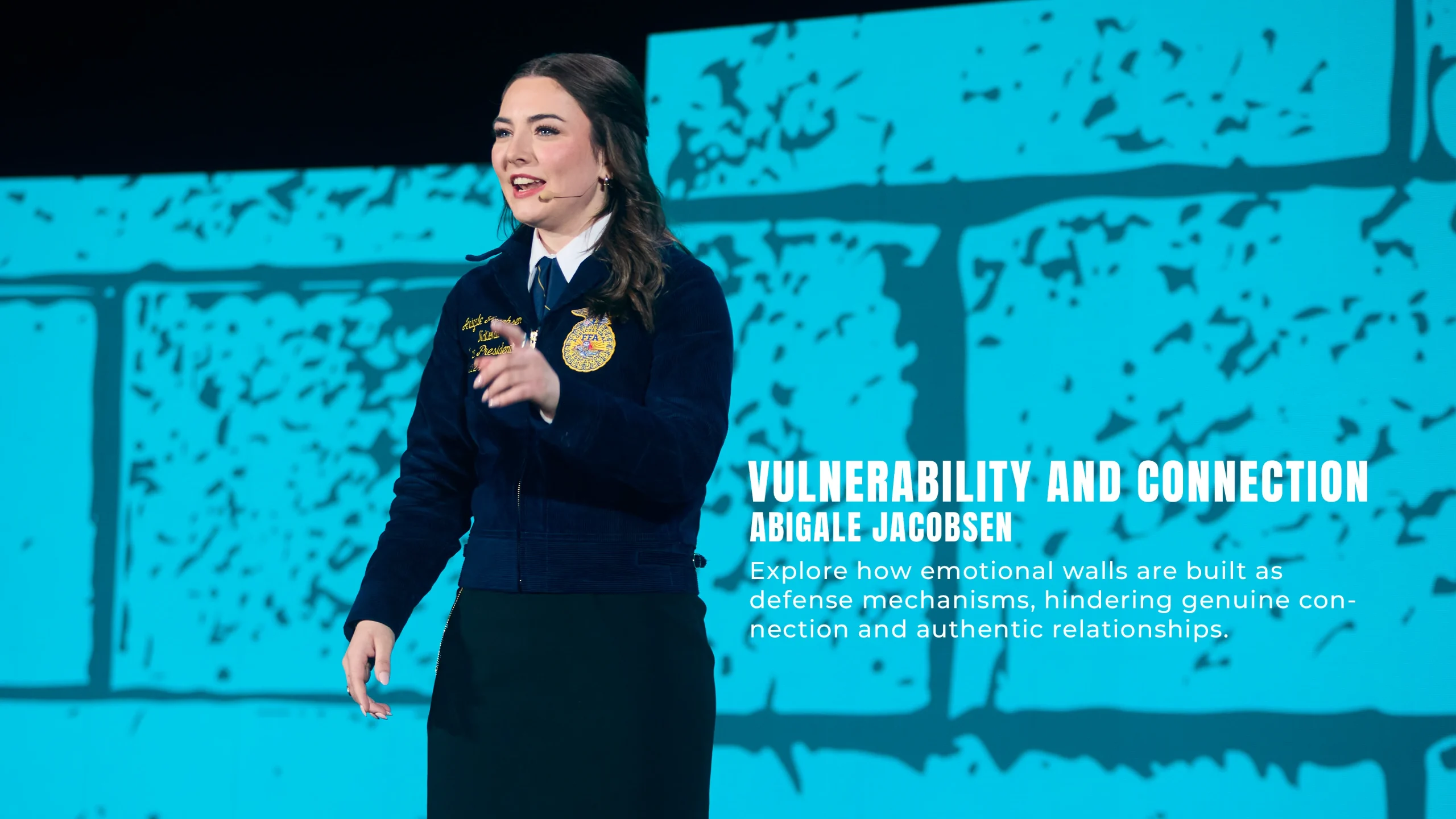

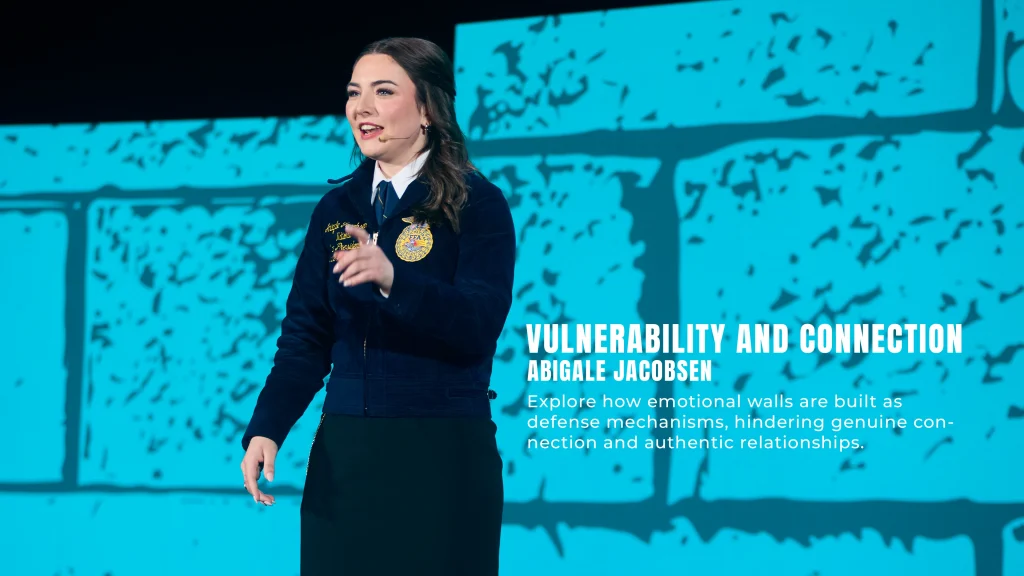
For decades, the archetypal leader was carved from granite: resolute, unyielding, and seemingly impervious to doubt. But the modern landscape demands a different kind of strength – the courage to be open, honest, and, yes, vulnerable. This isn’t about shedding tears in the boardroom; it’s about dismantling the illusion of perfection and connecting with your team on a deeply human level.
Openness in leadership transcends mere self-disclosure. It’s a strategic choice to foster trust and collaboration. Imagine a project manager admitting, “I’m struggling with this new software; does anyone have experience?” or a CEO sharing lessons learned from a past business failure. These aren’t signs of incompetence; they’re invitations to learn, grow, and build stronger bonds.
Leading with openness requires a fundamental shift in mindset. It means valuing input from all levels, creating a safe space for dissenting opinions, and acknowledging your own limitations. It’s about fostering a culture where ‘I don’t know’ is an acceptable answer, and seeking help is a sign of strength, not weakness.
Consider the story of Alan Mulally, who, as CEO of Ford, openly shared the company’s dire financial situation and invited his team to challenge his decisions. This radical transparency, though initially uncomfortable, ultimately paved the way for Ford’s remarkable turnaround.
The benefits of embracing openness extend far beyond warm feelings. They translate into concrete improvements in team performance and organizational success:
Creating an open environment requires deliberate effort and consistent modeling from leadership. Here are some actionable strategies:
Despite the compelling benefits, some leaders hesitate to embrace openness due to legitimate concerns. Here are some common myths and how to address them:
By confronting these misconceptions and actively fostering a culture of openness, leaders can unlock the untapped potential of their teams and create a more resilient, innovative, and successful organization. The future of leadership is not about projecting invincibility; it’s about embracing our shared humanity and leading with courage and authenticity.
If you want a practical next step, you can also check out Heal your past, design your future.
If you want a practical next step, you can also check out Become an Ultimate Master of your life.

 The Power of Now Review: Lessons from Eckhart Tolle’s ClassicGeneral
 The Power of Now Review: Lessons on Presence & Ending SufferingGeneral
 Book Review: The Power of Now Summary & Key LessonsGeneral
 The Power of Now Review: Lessons on Presence & Inner PeaceGeneral
 The Self-Help De-Influence Movement: Beyond Toxic PositivityGeneral
 Kryon: Ancient Prophecy & Humanity’s Next Evolutionary StepGeneralThe Power of Now Review: Lessons from Eckhart Tolle’s ClassicGeneralThe Power of Now Review: Lessons on Presence & Ending SufferingGeneralBook Review: The Power of Now Summary & Key LessonsGeneralThe Power of Now Review: Lessons on Presence & Inner PeaceGeneral
Sign in without leaving this document. You will return here automatically.

The Ultimate Masters
https://www.ultimatemasters.org
Subscribe for one year to access all your favourite downloads
500 / year
Unlimited downloads forever
Unlimited downloads
Subscribe for one to access hundreds of downloads.
50 / month
Subscribe quarterly/per term
75 / month
The Ultimate Masters
https://www.ultimatemasters.org
Continue directly to this store’s secure WooCommerce checkout.
Earn direct and team commission with personal links, campaign creatives, discount coupons and transparent reporting.
0 responses on "Leadership Qualities: The Power of Authentic Vulnerability"