


Annual
Subscribe for one year to access all your favourite downloads
500 / year


In a world saturated with information, book reviews act as vital compasses, guiding readers through the ever-expanding universe of literature. They’re more than just ‘buy’ or ‘don’t buy’ signals; they shape literary discourse, influence authorial trajectories, and reflect societal values. This article delves into the ethical dimensions of book reviewing, offering readers a framework for understanding and evaluating critical assessments.
Reviewing is inherently subjective. Personal taste, prior reading experiences, and even daily moods inevitably color a reviewer’s perception. However, ethical reviewers strive to minimize these biases, aiming for fairness and impartiality. This involves more than simply stating an opinion; it demands a thorough engagement with the text, a careful consideration of the author’s intentions, and a transparent declaration of the reviewer’s own perspective. A single review can significantly impact a book’s success, an author’s reputation, and a reader’s decision to invest time and money. This power necessitates responsibility.
The democratization of online platforms has amplified the reach of book reviews, empowering anyone with an internet connection to share their thoughts. While this inclusivity enriches literary discussions, it also presents ethical challenges. Anonymity can embolden malicious reviews, and biased opinions can spread rapidly, potentially harming authors and misleading readers. Imagine a scenario where a competitor posts negative reviews of a rival’s book under a pseudonym – this highlights the potential for abuse.

It’s crucial to remember that authors are human beings who invest significant time and effort into their work. A negative review, even when well-intentioned, can be deeply discouraging. Ethical reviewers should be mindful of the potential emotional impact of their words.
Constructive criticism is invaluable for authors seeking to improve their craft. Reviews that offer specific, actionable feedback can help authors identify areas for growth and refine their writing skills. For example, instead of simply stating “the dialogue is unrealistic,” a constructive review might suggest specific ways to improve the dialogue’s authenticity. Purely negative or destructive reviews, on the other hand, can be detrimental to an author’s confidence and motivation. Consider a situation where an author receives a review filled with personal insults and no substantive critique of their work. This type of review is unethical and unhelpful.
The world of book reviewing is in constant flux. Social media and online platforms are challenging the traditional gatekeepers of literary criticism, giving rise to a new generation of reviewers.
This increased accessibility has both advantages and disadvantages. It allows for a more diverse range of voices and perspectives to be heard, but it also creates opportunities for misinformation and biased opinions to spread. Think of the proliferation of “review bombing,” where groups of people deliberately post negative reviews to harm a book’s reputation, often for reasons unrelated to the book’s quality.
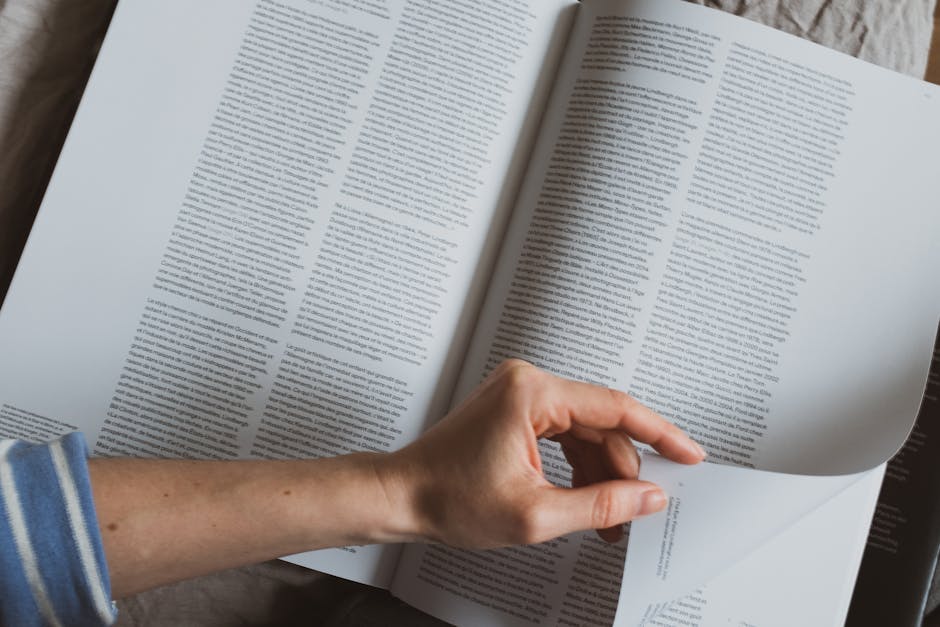
To maintain the integrity of book reviews in the digital age, it’s essential to prioritize ethical standards. Reviewers must be aware of their responsibilities and adhere to principles of transparency, fairness, accuracy, and objectivity.
Platforms hosting book reviews should implement measures to combat fake reviews and promote responsible reviewing practices. This could include verifying reviewer identities, providing tools for reporting abusive behavior, and flagging reviews that violate ethical guidelines. Imagine a platform that uses algorithms to detect and remove fake reviews, ensuring that readers are only seeing authentic opinions.
Ultimately, the future of book reviews depends on a shared commitment to ethical standards from reviewers, authors, publishers, and platforms. By fostering a culture of respect and accountability, we can ensure that book reviews continue to serve as valuable guides for readers navigating the literary landscape.
If you want a practical next step, you can also check out Heal your past, design your future.
If you want a practical next step, you can also check out Become an Ultimate Master of your life.

 The Power of Now Review: Lessons from Eckhart Tolle’s ClassicGeneral
 The Power of Now Review: Lessons on Presence & Ending SufferingGeneral
 Book Review: The Power of Now Summary & Key LessonsGeneral
 The Power of Now Review: Lessons on Presence & Inner PeaceGeneral
 The Self-Help De-Influence Movement: Beyond Toxic PositivityGeneral
 Kryon: Ancient Prophecy & Humanity’s Next Evolutionary StepGeneralThe Power of Now Review: Lessons from Eckhart Tolle’s ClassicGeneralThe Power of Now Review: Lessons on Presence & Ending SufferingGeneralBook Review: The Power of Now Summary & Key LessonsGeneralThe Power of Now Review: Lessons on Presence & Inner PeaceGeneral
Sign in without leaving this document. You will return here automatically.

The Ultimate Masters
https://www.ultimatemasters.org
Subscribe for one year to access all your favourite downloads
500 / year
Unlimited downloads forever
Unlimited downloads
Subscribe for one to access hundreds of downloads.
50 / month
Subscribe quarterly/per term
75 / month
The Ultimate Masters
https://www.ultimatemasters.org
Continue directly to this store’s secure WooCommerce checkout.
Earn direct and team commission with personal links, campaign creatives, discount coupons and transparent reporting.
0 responses on "The Unseen Architects of Opinion: Exploring the Ethical Dimensions of Book Reviews"