



Annual
Subscribe for one year to access all your favourite downloads
500 / year


Remember the days when a single, powerful review in The New York Review of Books could make or break an author? While those traditional gatekeepers still hold sway, the digital universe has exploded, offering readers a constellation of opinions and recommendations. This shift has democratized literary criticism, but it also presents new challenges for both readers and authors.
Imagine searching for a new science fiction novel. Previously, you might have relied on a trusted critic’s column in a print magazine. Now, you’re bombarded with options: Amazon reviews, Goodreads ratings, blog posts, YouTube reviews, and even TikTok recommendations. This abundance is both a blessing and a curse. The diversity of voices is exciting, but the lack of a central authority raises questions about credibility and trustworthiness.
The modern book recommendation ecosystem rests on three pillars:
Navigating this complex landscape requires a strategic approach. Here’s how readers and authors can make the most of the modern book recommendation system:

Technology plays an increasingly important role in book discovery. Recommendation algorithms and online book communities are transforming the way we find and discuss books.
Algorithms analyze our reading habits and preferences to suggest books we might enjoy. These systems can be incredibly helpful, but they can also create filter bubbles and limit our exposure to new ideas. It’s important to be aware of these limitations and to actively seek out diverse perspectives.
Online book communities provide a space for readers to connect, share their thoughts, and engage in discussions about literature. These communities can be a valuable resource for discovering new books and gaining different perspectives. However, it’s important to be mindful of echo chambers and to seek out diverse voices and opinions.
The book recommendation landscape will continue to evolve as technology advances and reading habits change. Imagine a future where virtual reality book clubs allow readers to immerse themselves in the worlds of their favorite stories, or where AI-powered literary assistants provide personalized reading recommendations based on our emotional states. Whatever the future holds, the goal of book recommendations will remain the same: to connect readers with books they will love and to foster a vibrant and engaging literary culture.

| Recommendation Source | Pros | Cons |
|---|---|---|
| Professional Critics | In-depth analysis, contextual understanding, experienced perspectives | Can be elitist, may not reflect average reader opinions |
| Reader Reviews | Broad spectrum of opinions, insights into accessibility and enjoyment | Subjective, potential for bias, varying quality |
| Book Bloggers/Influencers | Engaging content, niche expertise, direct reader interaction | Potential conflicts of interest, can lack editorial oversight |
If you want a practical next step, you can also check out Heal your past, design your future.
If you want a practical next step, you can also check out Become an Ultimate Master of your life.

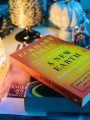 The Power of Now Review: Lessons from Eckhart Tolle’s ClassicGeneral
 The Power of Now Review: Lessons on Presence & Ending SufferingGeneral
 Book Review: The Power of Now Summary & Key LessonsGeneral
 The Power of Now Review: Lessons on Presence & Inner PeaceGeneral
 The Self-Help De-Influence Movement: Beyond Toxic PositivityGeneral
 Kryon: Ancient Prophecy & Humanity’s Next Evolutionary StepGeneralThe Power of Now Review: Lessons from Eckhart Tolle’s ClassicGeneralThe Power of Now Review: Lessons on Presence & Ending SufferingGeneralBook Review: The Power of Now Summary & Key LessonsGeneralThe Power of Now Review: Lessons on Presence & Inner PeaceGeneral
Sign in without leaving this document. You will return here automatically.

The Ultimate Masters
https://www.ultimatemasters.org
Subscribe for one year to access all your favourite downloads
500 / year
Unlimited downloads forever
Unlimited downloads
Subscribe for one to access hundreds of downloads.
50 / month
Subscribe quarterly/per term
75 / month
The Ultimate Masters
https://www.ultimatemasters.org
Continue directly to this store’s secure WooCommerce checkout.
Earn direct and team commission with personal links, campaign creatives, discount coupons and transparent reporting.
0 responses on "The Evolving Landscape of Book Reviews: From Literary Gatekeepers to Digital Communities"