




Annual
Subscribe for one year to access all your favourite downloads
500 / year
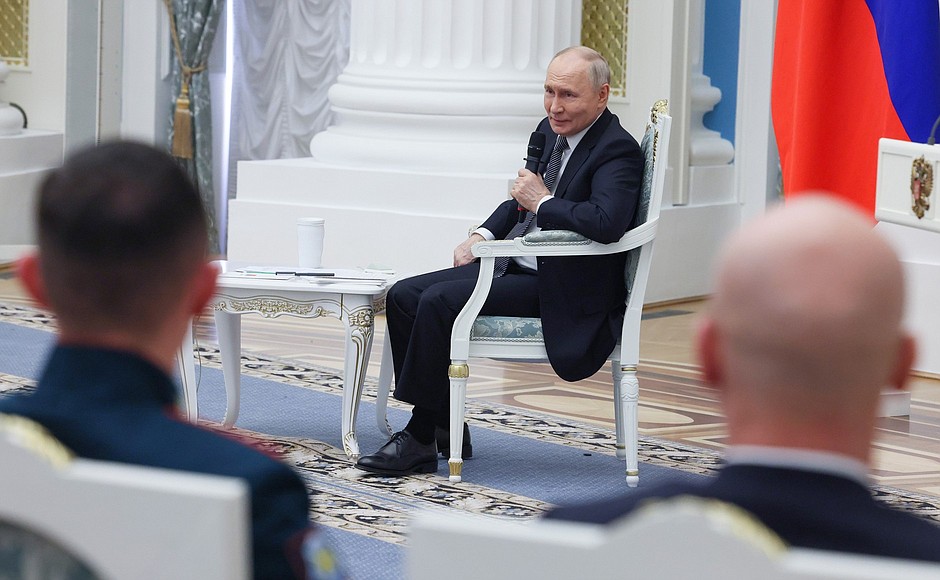

Effective leadership is an act of construction. Rather than simply managing processes, a great leader acts as an architect, designing and building a resilient, purpose-driven organization from the ground up. This endeavor requires a specific set of materials—not of concrete and steel, but of character and principle. The ultimate measure of a leader’s success is the strength, integrity, and functionality of the cultural structure they leave behind. This blueprint outlines the essential components for building an organization that lasts.
Before any walls can be raised, a solid and unshakeable foundation must be poured. For any leader, this foundation is their personal character, upon which everything else will be built. Without a stable base, any structure is destined to crumble under pressure.
Integrity is the non-negotiable concrete base of leadership. It represents an unwavering commitment to ethical principles that provides stability and predictability. A team can build confidently upon a leader with integrity because they trust the ground beneath them will not shift. This quality is demonstrated by aligning every action with a clear set of values, creating a safe and dependable environment where people can do their best work.
Before breaking ground, an architect must survey the site, understanding its unique features and limitations. For leaders, this is the work of self-awareness—a candid assessment of one’s own strengths, weaknesses, and emotional triggers. A leader who lacks this insight may design a flawed structure based on their own blind spots. In contrast, a self-aware leader builds on a realistic understanding of their impact, ensuring their personal issues don’t become structural weaknesses for the team.
Taking the next step becomes straightforward when you have the right support — Heal your past, design your future is worth exploring.
Taking the next step becomes straightforward when you have the right support — Become an Ultimate Master of your life is worth exploring.
With the foundation set, the architect drafts the plans that guide the entire project. This phase is about creating a design that is not only functional but also fosters a collaborative and inspiring environment for those who will inhabit it.
A leader’s vision is the master blueprint for the entire organization. It must be a clear, inspiring, and accessible plan that illustrates the final structure. This blueprint answers the crucial “why” behind the daily work, giving every task context and purpose. When the entire crew understands and believes in the blueprint, they are motivated to align their efforts toward a shared, ambitious goal.
Scaffolding is the temporary framework that allows a construction crew to work safely at great heights. In leadership, empathy serves this same function. An empathetic leader provides the psychological safety, resources, and understanding that empower their team to tackle ambitious challenges. They anticipate needs and create a supportive structure that enables growth and risk-taking.
An open-plan design encourages the free flow of movement, communication, and ideas. A humble leader embraces this architectural philosophy by creating a culture where great ideas are welcome from any source. Humility is the recognition that the architect doesn’t have all the answers and that the best solutions often emerge from collective input. This approach ensures every team member feels valued and empowered to contribute to the final design.
A blueprint is only potential until the work of building begins. This phase is about execution—raising the structure and ensuring it can withstand the inevitable pressures of tight deadlines, unexpected challenges, and external forces.
Courage provides the internal structural support, like the steel beams that allow a skyscraper to stand tall against immense forces. For a leader, courage is the strength to make difficult, principled decisions under pressure. It is the fortitude to challenge ineffective norms and to defend the team and the vision when it would be easier to bend to external demands.
A well-designed building is weatherproofed not just to survive storms, but to endure them and emerge unscathed. Resilience is this protective layer. A resilient leader anticipates setbacks, treats failures as crucial data for improvement, and fosters a team culture that can adapt and bounce back stronger from any adversity. They don’t just react to challenges; they build a system designed to withstand them.
The architect-leader’s work is never truly finished. The real test of their design is how the structure performs, adapts, and serves its inhabitants over time. By mastering these foundational, design, and action-oriented principles, a leader constructs more than just a successful team—they build a living legacy of purpose, collaboration, and enduring strength.


 The Power of Now Review: Lessons from Eckhart Tolle’s ClassicGeneral
 The Power of Now Review: Lessons on Presence & Ending SufferingGeneral
 Book Review: The Power of Now Summary & Key LessonsGeneral
 The Power of Now Review: Lessons on Presence & Inner PeaceGeneral
 The Self-Help De-Influence Movement: Beyond Toxic PositivityGeneral
 Kryon: Ancient Prophecy & Humanity’s Next Evolutionary StepGeneralThe Power of Now Review: Lessons from Eckhart Tolle’s ClassicGeneralThe Power of Now Review: Lessons on Presence & Ending SufferingGeneralBook Review: The Power of Now Summary & Key LessonsGeneralThe Power of Now Review: Lessons on Presence & Inner PeaceGeneral
Sign in without leaving this document. You will return here automatically.

The Ultimate Masters
https://www.ultimatemasters.org
Subscribe for one year to access all your favourite downloads
500 / year
Unlimited downloads forever
Unlimited downloads
Subscribe for one to access hundreds of downloads.
50 / month
Subscribe quarterly/per term
75 / month
The Ultimate Masters
https://www.ultimatemasters.org
Continue directly to this store’s secure WooCommerce checkout.
Earn direct and team commission with personal links, campaign creatives, discount coupons and transparent reporting.
0 responses on "The Soul of a Leader: 7 Qualities for a Higher Purpose"