
Annual
Subscribe for one year to access all your favourite downloads
500 / year
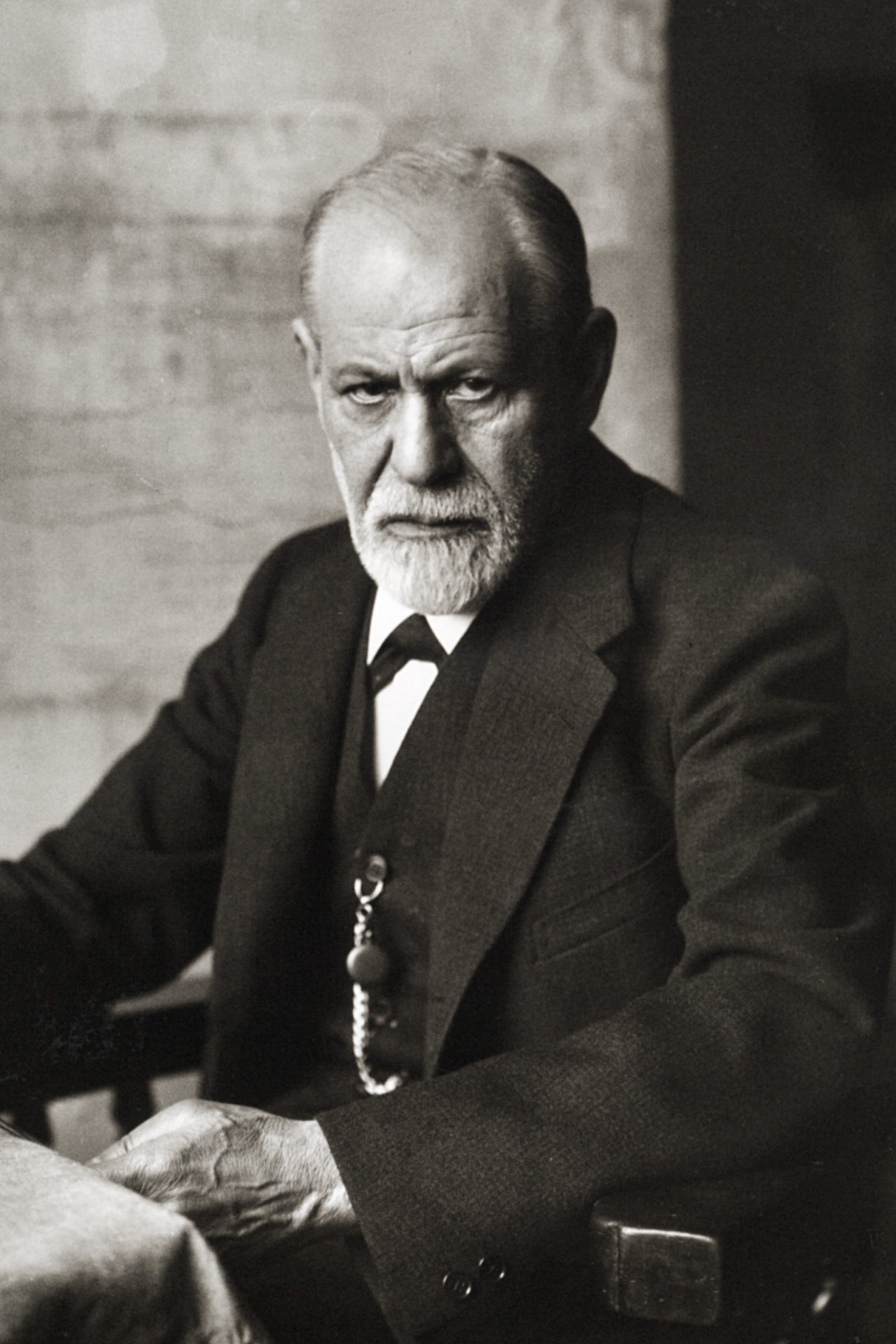

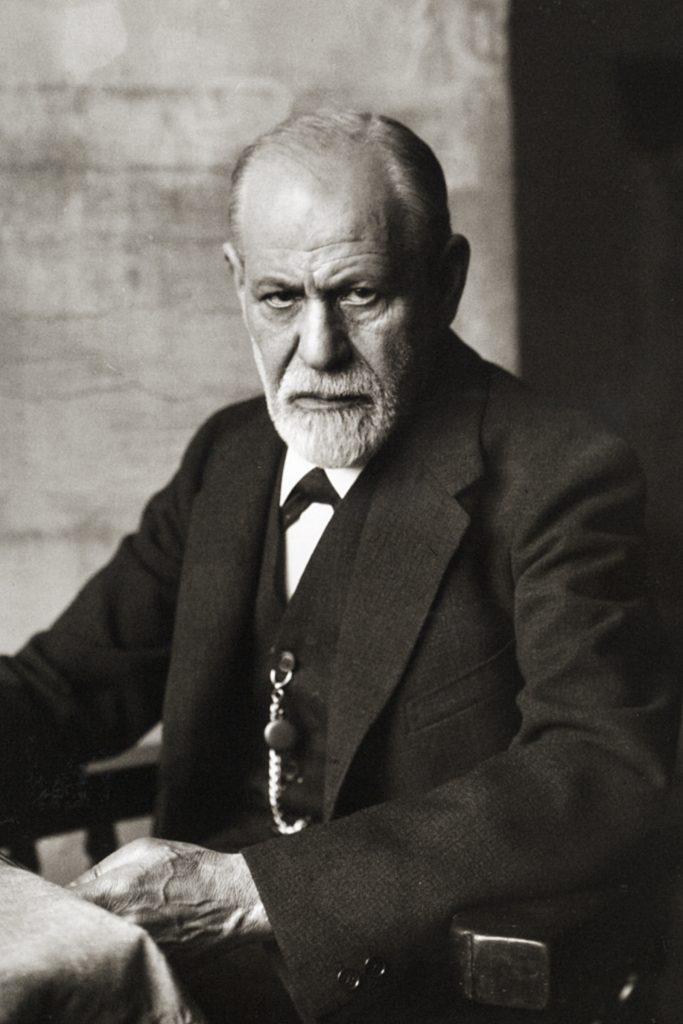
More than a century ago, Swiss psychiatrist Carl Gustav Jung (1875-1961) created a revolutionary map of the human mind. He wasn’t just interested in pathology; he was a cartographer of the soul, charting the vast, unseen territories within us all. His work, known as Analytical Psychology, provides a timeless toolkit for anyone seeking self-awareness, meaning, and a sense of wholeness in a fragmented world. This guide reframes his core ideas not as historical artifacts, but as practical instruments for your own journey of discovery.
Taking the next step becomes straightforward when you have the right support — Heal your past, design your future is worth exploring.
Taking the next step becomes straightforward when you have the right support — Become an Ultimate Master of your life is worth exploring.
Jung proposed that our psyche is a vast landscape, comprised of both sunlit plains and deep, unexplored caverns. Understanding its geography is the first step toward navigating it effectively.
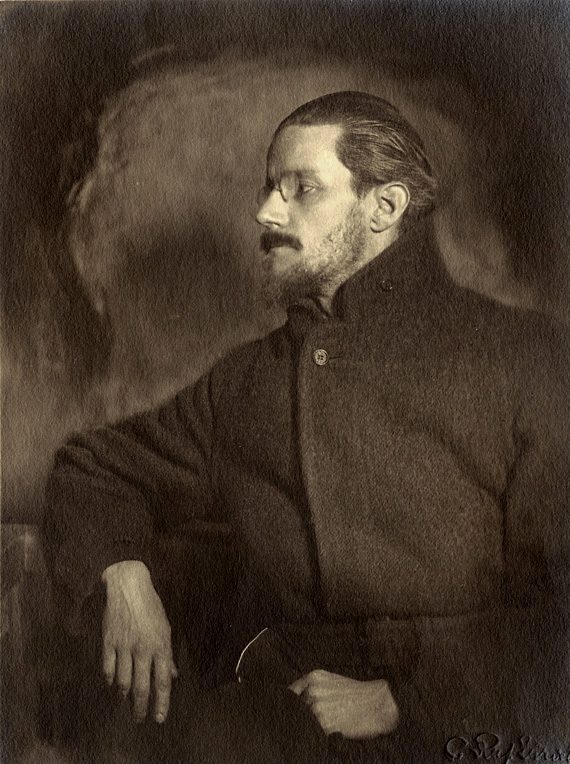
The collective unconscious is not empty; it’s populated by archetypes. These are universal, primal patterns of behavior and imagery that shape our experiences. Think of them as the recurring character roles in the human drama, which we all play out in our own unique ways.
For Jung, the ultimate purpose of life was individuation. This is the conscious, lifelong process of integrating the various parts of your psyche to become the unique, whole individual you were meant to be. It is not about achieving perfection, but about becoming fully and authentically yourself. This journey requires an honest dialogue with your inner world, often through paying attention to dreams, engaging in creative expression, and reflecting on the patterns in your life. By undertaking this work, you don’t just heal yourself; you discover your unique contribution to the world.
 Tim Ferriss & The Self-Improvement Trap: Is More Always Better?General
 The Self-Acceptance Protocol: Beyond Endless Self-ImprovementGeneral
 Beyond Bio-Hacking: The Science of Authentic Self-ImprovementGeneral
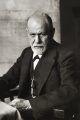 Carl Jung: Life, Ideas & The Path to Spiritual WholenessGeneral
 Book Review: The Biology of Belief – Lipton’s Key LessonsGeneral
 Book Review: Breaking the Habit of Being Yourself by Dr. Joe DispenzaGeneralTim Ferriss & The Self-Improvement Trap: Is More Always Better?GeneralThe Self-Acceptance Protocol: Beyond Endless Self-ImprovementGeneral
Sign in without leaving this document. You will return here automatically.

The Ultimate Masters
https://www.ultimatemasters.org
Subscribe for one year to access all your favourite downloads
500 / year
Unlimited downloads forever
Unlimited downloads
Subscribe for one to access hundreds of downloads.
50 / month
Subscribe quarterly/per term
75 / month
The Ultimate Masters
https://www.ultimatemasters.org
Continue directly to this store’s secure WooCommerce checkout.
Earn direct and team commission with personal links, campaign creatives, discount coupons and transparent reporting.
0 responses on "Carl Jung: Life, Ideas & The Path to Spiritual Wholeness"