




Annual
Subscribe for one year to access all your favourite downloads
500 / year
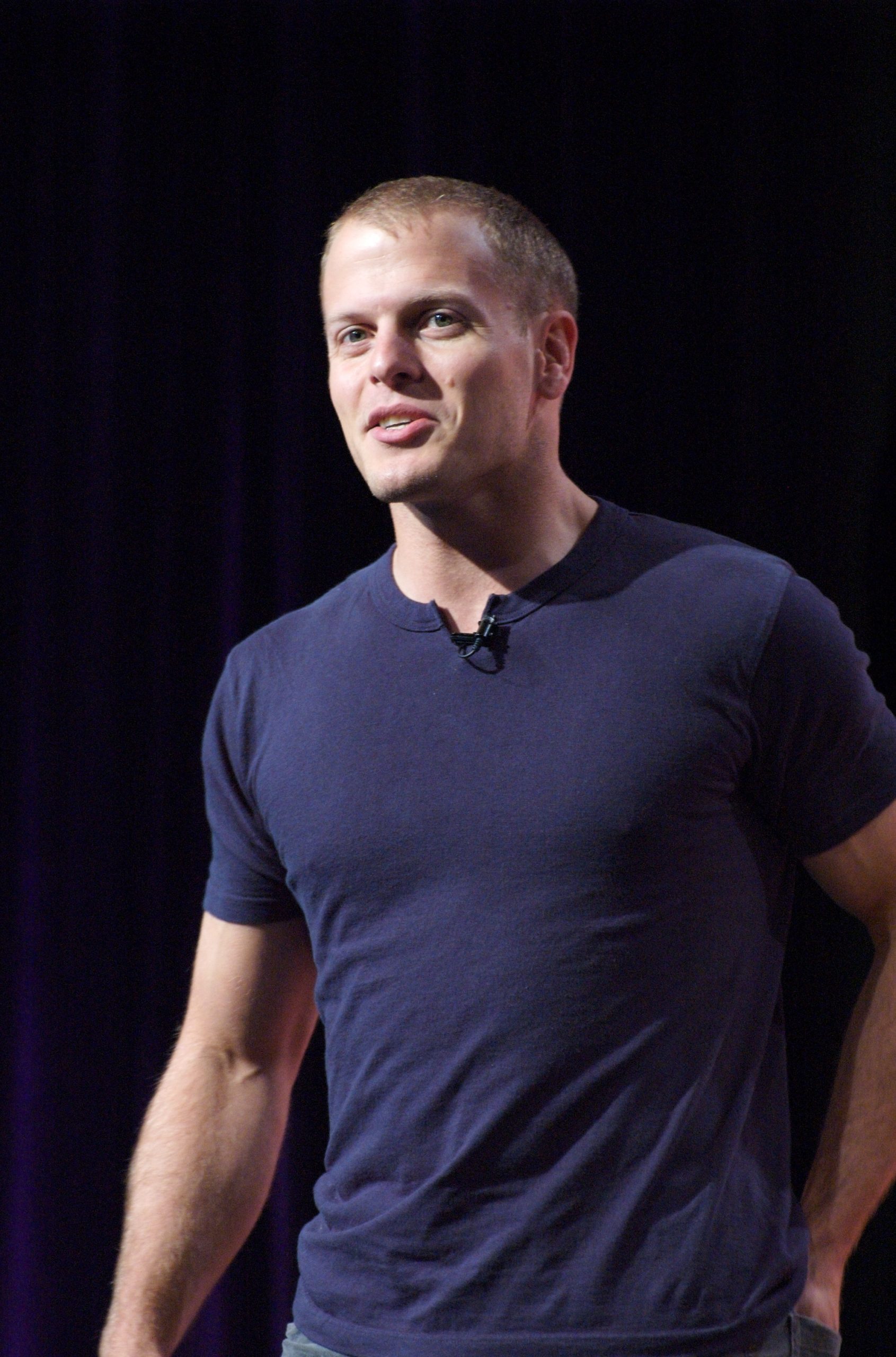

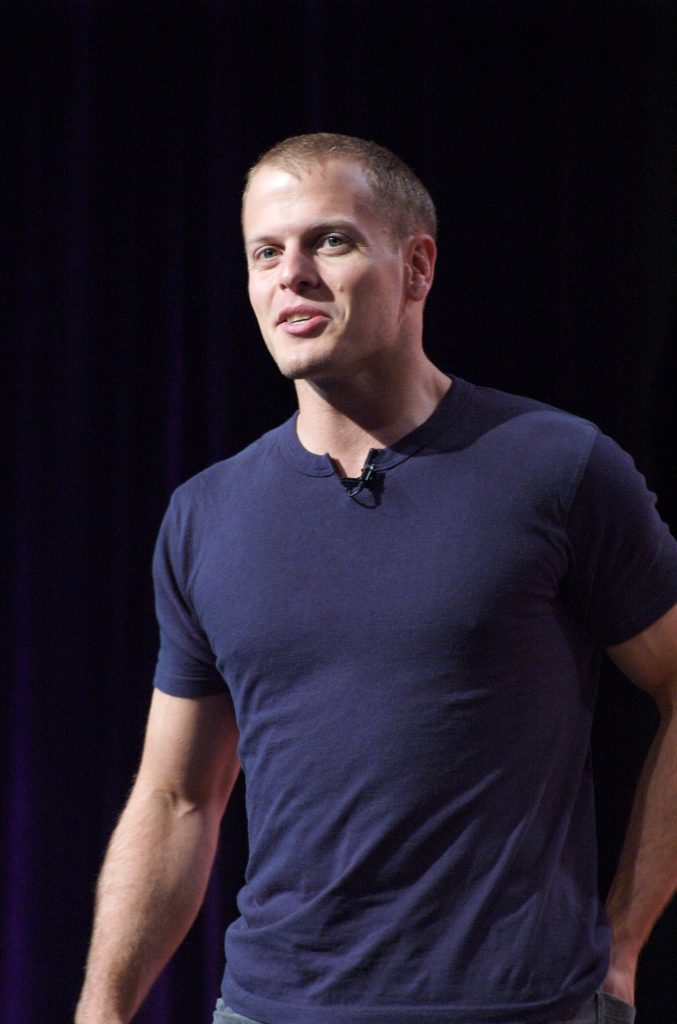
For over a decade, a powerful idea has captivated high-achievers: the human being can be upgraded. Like a computer’s operating system, we were told our lives could be debugged and optimized for peak performance. We adopted intermittent fasting, tracked our REM sleep with wearable tech, and filled our calendars with color-coded blocks of ‘deep work.’ We pursued inbox zero with religious fervor. Yet, for many who successfully installed this ‘Human OS 1.0,’ the expected fulfillment never loaded. Instead, they found themselves running a flawless program on an emotionally exhausted machine.
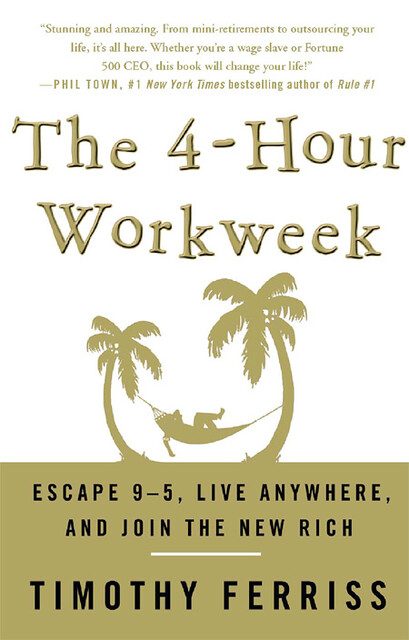
The initial wave of modern self-improvement was built on a seductive promise of control. Figures like Tim Ferriss, with his groundbreaking ‘The 4-Hour Workweek,’ served as the architects of this movement. They provided the blueprints for deconstructing any skill, automating income streams, and applying the 80/20 principle to every corner of existence. The goal was elegant and ambitious: to achieve a state of hyper-efficiency that would unlock a life of freedom and abundance.
This paradigm was data-driven. Success was quantifiable: lower body fat percentage, higher revenue, more books read per month. The problem is that a life measured solely in metrics can easily lose its meaning. When the ‘why’ behind the effort is forgotten, the pursuit of optimization becomes a hollow numbers game—a race to an ever-receding finish line on a hedonic treadmill. We became experts at the ‘how’ but forgot to ask if the ‘what’ was making us happy.
Taking the next step becomes straightforward when you have the right support — Become an Ultimate Master of your life is worth exploring.
Taking the next step becomes straightforward when you have the right support — Heal your past, design your future is worth exploring.
The relentless drive to optimize carries a significant psychological cost. By constantly focusing on what could be improved, it subtly reinforces the idea that our current state is inadequate. This fosters a perpetual sense of ‘not-enoughness,’ where every achievement is merely a stepping stone to the next, never a moment for genuine contentment. The very tools meant to build a better life—the apps, the routines, the biohacks—can become the bars of a gilded cage, trapping us in a cycle of anxiety and self-critique.
Observing this burnout, many of the original architects of the productivity movement are leading the charge toward a new philosophy. The evolution of Tim Ferriss is a prime example. His podcast and public work have shifted dramatically from hacking physical performance to exploring mental and emotional resilience. He now frequently discusses topics like managing depression, the therapeutic use of psychedelics, and the power of Stoic philosophy for navigating hardship. This isn’t a rejection of efficiency, but an integration of it into a more mature framework.
This new paradigm, ‘Human OS 2.0,’ is less about adding more and more ‘life hacks’ and more about intentional subtraction and deep introspection. It asks different questions:
This is a move from a universal blueprint for success to the personal craft of building a life aligned with one’s own values.
The era of treating self-improvement as a mere technical problem to be solved with clever hacks is drawing to a close. Optimization is a tool, not a destination. The emerging wisdom is that a fulfilling life isn’t an algorithm to be perfected but an art to be practiced. The goal is no longer just to engineer a life of maximum output, but to craft one of genuine connection, purpose, and inner peace.

 Tim Ferriss & The Self-Improvement Trap: Is More Always Better?General
 The Self-Acceptance Protocol: Beyond Endless Self-ImprovementGeneral
 Beyond Bio-Hacking: The Science of Authentic Self-ImprovementGeneral
 Carl Jung: Life, Ideas & The Path to Spiritual WholenessGeneral
 Book Review: The Biology of Belief – Lipton’s Key LessonsGeneral
 Book Review: Breaking the Habit of Being Yourself by Dr. Joe DispenzaGeneralTim Ferriss & The Self-Improvement Trap: Is More Always Better?GeneralThe Self-Acceptance Protocol: Beyond Endless Self-ImprovementGeneral
Sign in without leaving this document. You will return here automatically.

The Ultimate Masters
https://www.ultimatemasters.org
Subscribe for one year to access all your favourite downloads
500 / year
Unlimited downloads forever
Unlimited downloads
Subscribe for one to access hundreds of downloads.
50 / month
Subscribe quarterly/per term
75 / month
The Ultimate Masters
https://www.ultimatemasters.org
Continue directly to this store’s secure WooCommerce checkout.
Earn direct and team commission with personal links, campaign creatives, discount coupons and transparent reporting.
0 responses on "Tim Ferriss & The Self-Improvement Trap: Is More Always Better?"