



Annual
Subscribe for one year to access all your favourite downloads
500 / year


In a world saturated with glowing recommendations and five-star ratings, negative book reviews often feel like unwelcome intruders. We’re naturally drawn to validation, seeking assurance that our reading choices are sound. But what if the most valuable insights lie within the critiques, the dissections, and the exposure of imperfections? Perhaps our relentless pursuit of literary perfection blinds us to the profound worth of honest, even harsh, assessments.
This article champions the often-underestimated power of negative book reviews. We’ll explore their significance, the benefits they offer, and how both readers and writers can profit from embracing critical perspectives. It’s time to move beyond the echo chamber of praise and acknowledge the impact of a well-reasoned, even if unfavorable, viewpoint.
While positive reviews entice readers with promises of captivating stories and profound revelations, negative reviews offer something equally essential: a realistic evaluation. They provide a counterpoint to the marketing hype, helping potential readers gauge whether a book truly aligns with their tastes and preferences.
Consider these key reasons why negative reviews are so important:
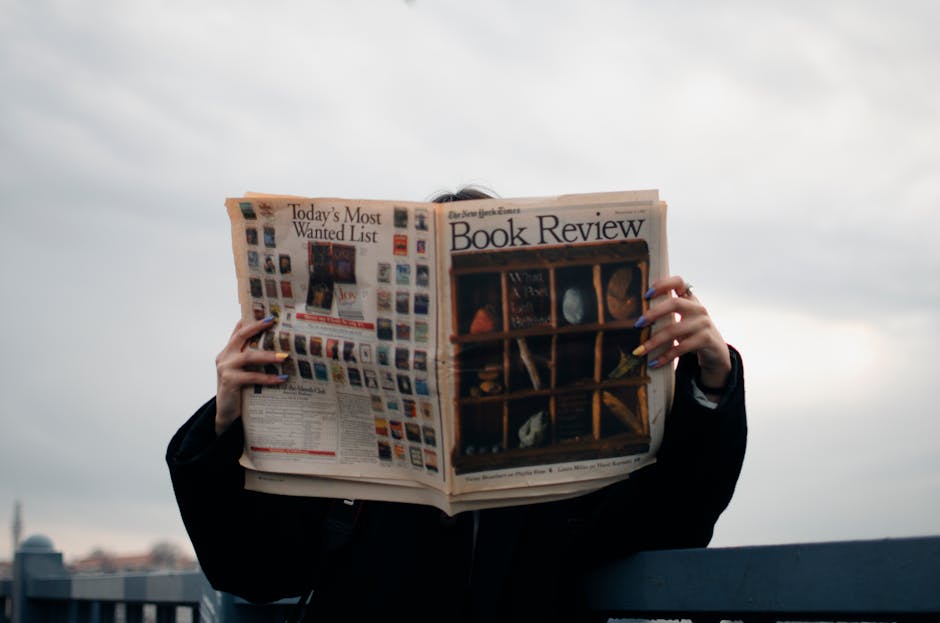
Writing a negative review isn’t about tearing a book apart; it’s about offering a thoughtful critique that benefits both readers and the author. Here are some guidelines:
While receiving negative feedback can be challenging, it can also be incredibly valuable for authors. Here’s how:
However, authors must remember that not all negative reviews are created equal. Some may be rooted in personal biases or misunderstandings, while others may be genuinely insightful and helpful. The key is to carefully analyze the feedback and determine what, if anything, can be gleaned from it.
It’s crucial to acknowledge that a reader’s experience with a book is subjective. Factors like personal preferences, prior reading experiences, and even their mood on a given day can significantly influence their interpretation. A negative review might arise from a mismatch between the reader’s expectations and the book’s content, rather than an inherent flaw in the writing itself.

Therefore, when evaluating negative reviews, it’s essential to consider the reviewer’s perspective and potential biases. Are they a devoted fan of a genre that this book deviates from? Do they have a specific pet peeve that the book happens to trigger? Understanding these nuances can help us contextualize the criticism and assess its validity. For example, a reader who dislikes fantasy might pan a fantasy novel, regardless of its quality.
Not all negative feedback is created equal. Constructive criticism provides specific reasons for dissatisfaction, supported by examples from the text. It focuses on the execution of the story, character development, pacing, or thematic elements. Mere dislike, on the other hand, often manifests as vague statements without concrete evidence or reasoned arguments.
For instance, a constructive review might state, “The world-building felt underdeveloped, with inconsistent rules and unexplained elements,” while a less helpful review might simply say, “I didn’t understand the world.” The former offers a specific critique that the author can potentially address in future work, while the latter provides little actionable insight.
In the realm of book reviews, negativity isn’t inherently detrimental. Negative reviews, when crafted constructively and received with an open mind, can be a powerful tool for both readers and authors. By embracing critical feedback, we can collectively contribute to a more informed and discerning literary community, fostering growth and improvement for all.
If you want a practical next step, you can also check out Heal your past, design your future.
If you want a practical next step, you can also check out Become an Ultimate Master of your life.


 Equinox Shift: A Channeled Guide to Global Consciousness ChangeGeneral
 Autumn Equinox: A Channeled Message for Humanity’s Great RebalancingGeneral
 The Great Awakening’s True Purpose | Sara Landon Channels The CouncilGeneral
 Channeled Predictions for the Next 20 Years with Lee HarrisGeneral
 Kuthumi’s 2027 Vision: How to Navigate Humanity’s Great ShiftGeneral
 Humanity’s 2026 Leap: A Channeled Message Breakdown & GuideGeneral
 Navigating the 2027 Shift: A Guide to Personal ConsciousnessGeneral
 The 2027 Shift: A Channeled Guide to Humanity’s Energetic ShiftGeneral
 Kuthumi’s 2027 Prophecy: Humanity’s Great Awakening (Video)General
 Navigating the 2027 Energetic Shift: Kuthumi’s Guide to What’s NextGeneralEquinox Shift: A Channeled Guide to Global Consciousness ChangeGeneralAutumn Equinox: A Channeled Message for Humanity’s Great RebalancingGeneralThe Great Awakening’s True Purpose | Sara Landon Channels The CouncilGeneralChanneled Predictions for the Next 20 Years with Lee HarrisGeneralKuthumi’s 2027 Vision: How to Navigate Humanity’s Great ShiftGeneral
Sign in without leaving this document. You will return here automatically.

The Ultimate Masters
https://www.ultimatemasters.org
Subscribe for one year to access all your favourite downloads
500 / year
Unlimited downloads forever
Unlimited downloads
Subscribe for one to access hundreds of downloads.
50 / month
Subscribe quarterly/per term
75 / month
The Ultimate Masters
https://www.ultimatemasters.org
Continue directly to this store’s secure WooCommerce checkout.
Earn direct and team commission with personal links, campaign creatives, discount coupons and transparent reporting.
0 responses on "The Untapped Power of Negative Book Reviews: A Constructive Critique"