


Annual
Subscribe for one year to access all your favourite downloads
500 / year


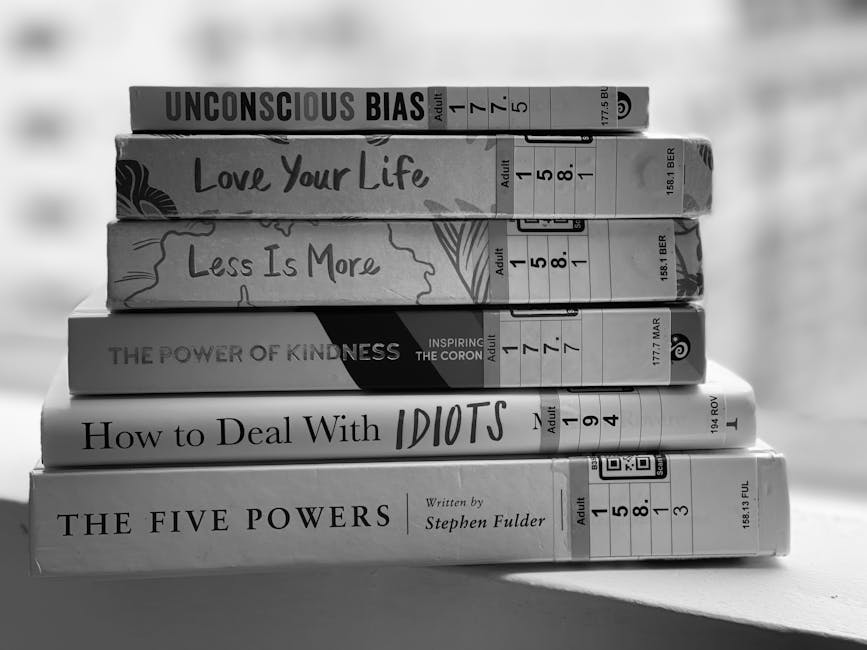
For decades, the fate of a book often rested on the shoulders of a select few: the professional literary critics. Their pronouncements, published in prestigious journals and newspapers, could make or break an author’s career. But the internet has democratized literary discourse, giving rise to a powerful new force: community book reviews. These collective opinions, aggregated from countless readers, offer a richer, more nuanced understanding of a book’s true impact.
Websites like Goodreads, BookTok, and even Amazon’s review sections have transformed the way we talk about books. No longer are readers passive recipients of critical judgment; they are active participants in shaping a book’s reputation. This shift brings several key advantages:
For authors, community reviews are like having a giant focus group providing constant feedback. They reveal what aspects of the story resonated, which characters were compelling, and where the writing fell short. This insight is invaluable for future projects, allowing authors to refine their craft and connect more deeply with their readership.
Moreover, authors can now engage directly with their readers through these platforms. Imagine an author responding to a reader’s thoughtful review, clarifying a plot point, or simply expressing gratitude. This kind of interaction was unheard of in the pre-internet era, and it fosters a stronger sense of community and loyalty.
While community reviews offer tremendous value, it’s essential to approach them with a critical eye. Not all opinions are created equal, and some reviews may be biased or misleading. Here are some things to consider:
By approaching community reviews with a discerning mind, both readers and authors can unlock their full potential and navigate the ever-evolving world of books.
The trend towards community-driven book reviews is likely to continue, with these platforms becoming even more sophisticated and influential. We can expect to see more advanced algorithms for analyzing sentiment, personalized recommendations based on individual reading preferences, and enhanced tools for authors to connect with their readers.

While community reviews are transforming the literary landscape, traditional criticism still has a vital role to play. Professional critics bring expertise, historical context, and a broader understanding of literary trends. The ideal scenario involves a balance between expert opinion and community feedback, allowing readers to make informed decisions based on a variety of perspectives.
The rise of community reviews also raises ethical concerns. Issues such as paid reviews, coordinated attacks, and fake accounts need to be addressed to maintain the integrity of the system. Platforms and readers must work together to identify and combat these unethical practices, ensuring that community reviews remain a valuable and trustworthy source of information.
If you want a practical next step, you can also check out Heal your past, design your future.
If you want a practical next step, you can also check out Become an Ultimate Master of your life.

 Tim Ferriss & The Self-Improvement Trap: Is More Always Better?General
 The Self-Acceptance Protocol: Beyond Endless Self-ImprovementGeneral
 Beyond Bio-Hacking: The Science of Authentic Self-ImprovementGeneral
 Carl Jung: Life, Ideas & The Path to Spiritual WholenessGeneral
 Book Review: The Biology of Belief – Lipton’s Key LessonsGeneral
 Book Review: Breaking the Habit of Being Yourself by Dr. Joe DispenzaGeneralTim Ferriss & The Self-Improvement Trap: Is More Always Better?GeneralThe Self-Acceptance Protocol: Beyond Endless Self-ImprovementGeneral
Sign in without leaving this document. You will return here automatically.
The Ultimate Masters
https://www.ultimatemasters.org
Subscribe for one year to access all your favourite downloads
500 / year
Unlimited downloads forever
Unlimited downloads
Subscribe for one to access hundreds of downloads.
50 / month
Subscribe quarterly/per term
75 / month
The Ultimate Masters
https://www.ultimatemasters.org
Continue directly to this store’s secure WooCommerce checkout.
Earn direct and team commission with personal links, campaign creatives, discount coupons and transparent reporting.
0 responses on "The Untapped Power of Community Book Reviews: Beyond the Individual Critique"