


Annual
Subscribe for one year to access all your favourite downloads
500 / year
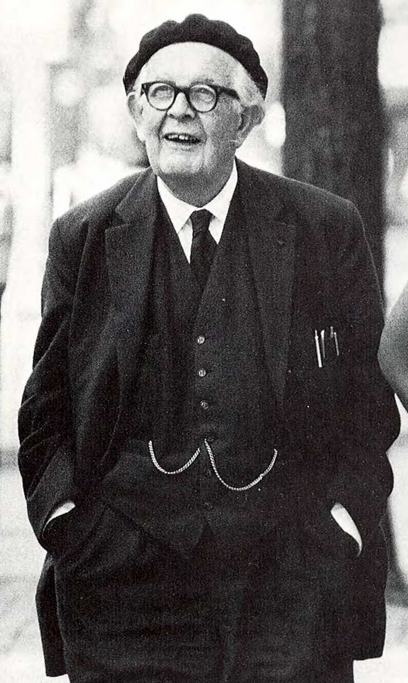
Imagine your mind as an uncharted continent. Carl Jung (1875-1961), a Swiss psychiatrist and the founder of analytical psychology, serves as its first true cartographer. He didn’t just treat symptoms; he drew a comprehensive map of the human psyche, revealing its hidden depths, common landmarks, and ultimate destination: a state of wholeness. His work provides less a rigid doctrine and more a practical toolkit for anyone brave enough to explore their own inner landscape. By understanding his core ideas, we gain a powerful new language for navigating our lives, relationships, and personal growth.
Jung proposed that our psyche is not a single entity but a dynamic system composed of distinct, interacting realms. Understanding this structure is the first step in self-exploration.
The collective unconscious isn’t empty; it’s populated by archetypes. These are not inherited memories but universal patterns or predispositions that structure how we experience life. They are like recurring character roles in the human drama, appearing in myths, dreams, and our own behavior.
For those looking to take the next step, Become an Ultimate Master of your life is a resource worth exploring.
For those looking to take the next step, Heal your past, design your future is a resource worth exploring.
The Persona is the mask you present to the world. It’s your professional identity, your social role, the curated version of yourself you show on social media. While necessary for navigating society, problems arise when we mistake this mask for our true identity, losing touch with the person underneath.
The Shadow contains all the parts of yourself you reject or deny. It’s not necessarily ‘evil’; it can be home to spontaneity, aggression, creativity, or any trait your conscious ego finds unacceptable. For example, a person who prides themselves on being organized may have a messy, chaotic shadow. The goal isn’t to destroy the shadow but to acknowledge and integrate its energy, leading to a more authentic and balanced personality.
The Anima is the unconscious feminine principle within a man; the Animus is the unconscious masculine principle within a woman. These archetypes shape our relationships and act as a bridge to the deeper parts of our psyche. They represent our ‘soul-image,’ influencing our creative impulses and our search for connection.
For Jung, the ultimate purpose of life was a process he called individuation. This is the journey of integrating the conscious and unconscious parts of our mind to become a complete, distinct, and whole individual. It is not about achieving perfection but about realizing and fulfilling one’s unique potential. Think of it as an orchestra conductor (the Self, the archetype of wholeness) learning to bring every instrument—the ego, the shadow, the anima/animus—into a harmonious symphony. This journey requires courageously confronting our inner world, understanding our dreams, and synthesizing the opposing forces within our own nature.
 The Power of Now Review: Lessons from Eckhart Tolle’s ClassicGeneral
 The Power of Now Review: Lessons on Presence & Ending SufferingGeneral
 Book Review: The Power of Now Summary & Key LessonsGeneral
 The Power of Now Review: Lessons on Presence & Inner PeaceGeneral
 The Self-Help De-Influence Movement: Beyond Toxic PositivityGeneral
 Kryon: Ancient Prophecy & Humanity’s Next Evolutionary StepGeneralThe Power of Now Review: Lessons from Eckhart Tolle’s ClassicGeneralThe Power of Now Review: Lessons on Presence & Ending SufferingGeneralBook Review: The Power of Now Summary & Key LessonsGeneralThe Power of Now Review: Lessons on Presence & Inner PeaceGeneral
Sign in without leaving this document. You will return here automatically.

The Ultimate Masters
https://www.ultimatemasters.org
Subscribe for one year to access all your favourite downloads
500 / year
Unlimited downloads forever
Unlimited downloads
Subscribe for one to access hundreds of downloads.
50 / month
Subscribe quarterly/per term
75 / month
The Ultimate Masters
https://www.ultimatemasters.org
Continue directly to this store’s secure WooCommerce checkout.
Earn direct and team commission with personal links, campaign creatives, discount coupons and transparent reporting.
0 responses on "Who Was Carl Jung? A Guide to His Life, Ideas & Spiritual Path"