



Annual
Subscribe for one year to access all your favourite downloads
500 / year


In a world saturated with opinions, the conventional book review often feels like a fleeting echo. How do we transform the act of reading and reviewing into a profound and enriching experience? The answer lies in venturing beyond surface-level observations and embracing the transformative potential of stories. It’s about shifting the focus from mere plot summaries to the deep emotional and intellectual resonance a book can evoke.
The digital age has ushered in an era where anyone can share their literary perspectives. This widespread participation necessitates a reimagining of the book review. No longer confined to plot points and character sketches, it’s about exploring the book’s impact on the individual reader. Did it spark new insights? Did it resonate with personal experiences? These inquiries elevate a simple review into a meaningful dialogue, transforming it from a detached critique into an engaging conversation.
Envision each reader as the protagonist of their own unique narrative. Every book they encounter becomes a pivotal chapter, shaping their thoughts and actions. A compelling book review acknowledges this personal journey, highlighting the book’s capacity to inspire growth and self-reflection. Consider, for example, a reader grappling with grief finding solace and understanding in Joan Didion’s “The Year of Magical Thinking.” The review would explore how Didion’s raw honesty resonated with the reader’s own experience, offering a path towards healing and acceptance. By connecting the book’s themes to tangible life lessons, the review transforms into a valuable resource for readers seeking personal enrichment. The emphasis is on the narrative’s power to facilitate transformation.
To compose a review that genuinely resonates, consider these key elements:

Traditional book reviews often prioritize plot summaries, character descriptions, and stylistic analyses. While these aspects are relevant, they only scratch the surface of a book’s potential. A truly insightful review delves into the deeper layers, examining the underlying themes, motivations, and societal implications embedded within the story.
Consider the author’s intention in writing the book. What message did they hope to communicate? What questions did they seek to explore? By understanding the author’s perspective, you can gain a richer understanding of the book’s meaning and significance. For instance, understanding Toni Morrison’s intent to explore the legacy of slavery in “Beloved” allows for a more profound appreciation of the novel’s powerful themes of trauma, memory, and identity.
Many books grapple with complex social issues, such as inequality, injustice, and prejudice. A well-crafted review should address these issues, examining how the book reflects or challenges societal norms and values. This could involve analyzing the book’s historical context, its relevance to contemporary events, and its potential to inspire social change. Examining a book like “The Handmaid’s Tale” requires an analysis of its commentary on patriarchal structures and the subjugation of women, connecting it to ongoing discussions about gender equality and reproductive rights.
The future of book reviews lies in fostering a community of readers who engage in thoughtful and meaningful discussions about literature. This means moving beyond simplistic ratings and recommendations and nurturing a culture of critical thinking, empathy, and mutual respect.

A compelling book review should serve as a catalyst for further discussion and debate, rather than the definitive judgment. Encourage readers to share their own perspectives and interpretations, and remain open to diverse viewpoints.
Empower readers to develop their critical thinking abilities by encouraging them to question assumptions, analyze arguments, and evaluate evidence. This can involve providing thought-provoking discussion prompts, suggesting supplementary reading materials, or highlighting potential biases or limitations within the book’s arguments.
If you want a practical next step, you can also check out Heal your past, design your future.
If you want a practical next step, you can also check out Become an Ultimate Master of your life.

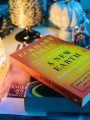 The Power of Now Review: Lessons from Eckhart Tolle’s ClassicGeneral
 The Power of Now Review: Lessons on Presence & Ending SufferingGeneral
 Book Review: The Power of Now Summary & Key LessonsGeneral
 The Power of Now Review: Lessons on Presence & Inner PeaceGeneral
 The Self-Help De-Influence Movement: Beyond Toxic PositivityGeneral
 Kryon: Ancient Prophecy & Humanity’s Next Evolutionary StepGeneralThe Power of Now Review: Lessons from Eckhart Tolle’s ClassicGeneralThe Power of Now Review: Lessons on Presence & Ending SufferingGeneralBook Review: The Power of Now Summary & Key LessonsGeneralThe Power of Now Review: Lessons on Presence & Inner PeaceGeneral
Sign in without leaving this document. You will return here automatically.

The Ultimate Masters
https://www.ultimatemasters.org
Subscribe for one year to access all your favourite downloads
500 / year
Unlimited downloads forever
Unlimited downloads
Subscribe for one to access hundreds of downloads.
50 / month
Subscribe quarterly/per term
75 / month
The Ultimate Masters
https://www.ultimatemasters.org
Continue directly to this store’s secure WooCommerce checkout.
Earn direct and team commission with personal links, campaign creatives, discount coupons and transparent reporting.
0 responses on "Decoding the Reader's Journey: Beyond the Traditional Book Review"