

Annual
Subscribe for one year to access all your favourite downloads
500 / year


In a digital age overflowing with content, the humble book review might seem like a relic. However, it remains a vital compass, guiding readers through a sea of stories and ideas. But a book review isn’t just a plot recap; it’s an invitation to explore, a conversation starter, and a personal journey shared.
Traditionally, reviews dissected plot points, critiqued characters, and judged prose. While these elements still matter, modern readers crave more. They seek reviews that illuminate the book’s soul, revealing its relevance to their own lives. They want to know: How will this book change me? What new perspectives will it offer? Will it challenge my assumptions?
A truly impactful review hinges on empathy. The reviewer must step into the author’s shoes, understanding their intent and appreciating the nuances of their craft. But empathy extends to the reader as well. What are their hopes and fears? What knowledge are they seeking? By addressing these unspoken questions, the reviewer transforms a simple critique into a powerful connection.
For example, imagine you’re struggling with feelings of isolation. A review that highlights a book’s exploration of community and belonging could resonate deeply, leading you to a story that offers solace and connection.

To write a compelling review that captivates readers, consider these key ingredients:
Your review should be engaging and informative, balancing objectivity with personal opinion. Use clear and accessible language, avoiding jargon or overly academic terms. Let your personality shine through, but always remain respectful and fair.
A well-structured review is easy to navigate. Consider this format:
Book reviews wield considerable influence, shaping readers’ choices and impacting authors’ success. A well-crafted review can generate buzz, spark discussions, and ultimately drive book sales. By providing insightful commentary and personal recommendations, reviewers contribute to a vibrant literary ecosystem.
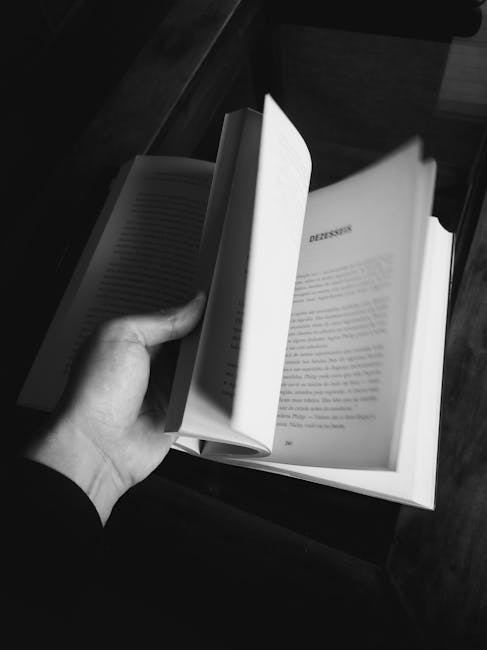
Approach book reviews with integrity and fairness. Disclose any relationships with the author or publisher, and be honest about your opinions, even if they are negative. A thoughtful and unbiased review is far more valuable than a superficial endorsement.
The true art of the book review lies in forging connections – between reader and book, between author and audience, and between ideas and experiences. By moving beyond simple summaries and offering insightful analysis, personal reflections, and a clear sense of purpose, reviewers empower readers to make informed choices and discover literary treasures. So, embrace the challenge, hone your craft, and become a vital voice in the ongoing conversation about books and the worlds they unlock.
If you want a practical next step, you can also check out Heal your past, design your future.
If you want a practical next step, you can also check out Become an Ultimate Master of your life.

 Equinox Shift: A Channeled Guide to Global Consciousness ChangeGeneral
 Autumn Equinox: A Channeled Message for Humanity’s Great RebalancingGeneral
 The Great Awakening’s True Purpose | Sara Landon Channels The CouncilGeneral
 Channeled Predictions for the Next 20 Years with Lee HarrisGeneral
 Kuthumi’s 2027 Vision: How to Navigate Humanity’s Great ShiftGeneral
 Humanity’s 2026 Leap: A Channeled Message Breakdown & GuideGeneral
 Navigating the 2027 Shift: A Guide to Personal ConsciousnessGeneral
 The 2027 Shift: A Channeled Guide to Humanity’s Energetic ShiftGeneral
 Kuthumi’s 2027 Prophecy: Humanity’s Great Awakening (Video)General
 Navigating the 2027 Energetic Shift: Kuthumi’s Guide to What’s NextGeneralEquinox Shift: A Channeled Guide to Global Consciousness ChangeGeneralAutumn Equinox: A Channeled Message for Humanity’s Great RebalancingGeneralThe Great Awakening’s True Purpose | Sara Landon Channels The CouncilGeneralChanneled Predictions for the Next 20 Years with Lee HarrisGeneralKuthumi’s 2027 Vision: How to Navigate Humanity’s Great ShiftGeneral
Sign in without leaving this document. You will return here automatically.

The Ultimate Masters
https://www.ultimatemasters.org
Subscribe for one year to access all your favourite downloads
500 / year
Unlimited downloads forever
Unlimited downloads
Subscribe for one to access hundreds of downloads.
50 / month
Subscribe quarterly/per term
75 / month
The Ultimate Masters
https://www.ultimatemasters.org
Continue directly to this store’s secure WooCommerce checkout.
Earn direct and team commission with personal links, campaign creatives, discount coupons and transparent reporting.
0 responses on "The Art of the Book Review: Beyond Summary, Towards Deeper Connection"