


Annual
Subscribe for one year to access all your favourite downloads
500 / year


In today’s vast ocean of books, a well-crafted review acts like a lighthouse, guiding readers toward literary treasures and away from potential shipwrecks. But a truly valuable review goes beyond simply retelling the story. It’s about critical engagement, insightful analysis, and offering potential readers a compelling reason to either dive in or steer clear. Think of the reviews that have steered you towards a life-changing read, or saved you from a disappointing one – that’s the power we’re talking about.
Before you even type a word, ask yourself: who are you writing for? Are you addressing casual readers, a group with a specific interest, or academics? Your tone, vocabulary, and the depth of your analysis should all be tailored to your audience. For example, a review for a science fiction blog will differ greatly from one in a literary journal. Similarly, what’s your goal? Are you informing, persuading, entertaining, or sparking debate? This will shape your overall approach.
While there’s no rigid formula, a strong book review typically includes these elements:
Beyond structure, certain qualities elevate a book review from good to great:
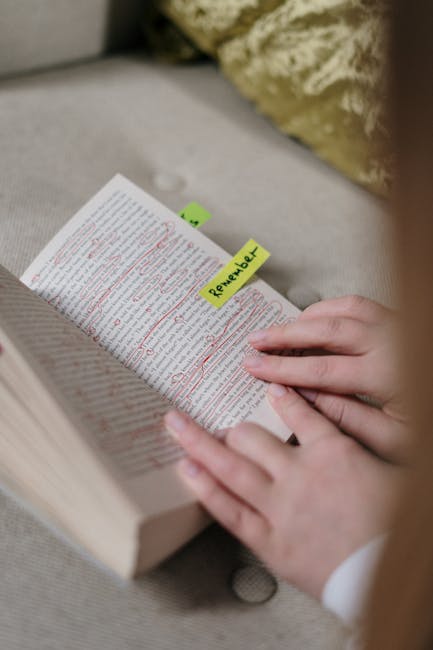
Avoid these common pitfalls that can weaken your review:
Book reviews shape literary culture and influence what people read. They can introduce readers to new authors and genres, spark important conversations, and contribute to the ongoing evolution of literary criticism. By mastering the art of book review writing, you become part of this vital and dynamic process.
If you want a practical next step, you can also check out Heal your past, design your future.
If you want a practical next step, you can also check out Become an Ultimate Master of your life.


 Equinox Shift: A Channeled Guide to Global Consciousness ChangeGeneral
 Autumn Equinox: A Channeled Message for Humanity’s Great RebalancingGeneral
 The Great Awakening’s True Purpose | Sara Landon Channels The CouncilGeneral
 Channeled Predictions for the Next 20 Years with Lee HarrisGeneral
 Kuthumi’s 2027 Vision: How to Navigate Humanity’s Great ShiftGeneral
 Humanity’s 2026 Leap: A Channeled Message Breakdown & GuideGeneral
 Navigating the 2027 Shift: A Guide to Personal ConsciousnessGeneral
 The 2027 Shift: A Channeled Guide to Humanity’s Energetic ShiftGeneral
 Kuthumi’s 2027 Prophecy: Humanity’s Great Awakening (Video)General
 Navigating the 2027 Energetic Shift: Kuthumi’s Guide to What’s NextGeneralEquinox Shift: A Channeled Guide to Global Consciousness ChangeGeneralAutumn Equinox: A Channeled Message for Humanity’s Great RebalancingGeneralThe Great Awakening’s True Purpose | Sara Landon Channels The CouncilGeneralChanneled Predictions for the Next 20 Years with Lee HarrisGeneralKuthumi’s 2027 Vision: How to Navigate Humanity’s Great ShiftGeneral
Sign in without leaving this document. You will return here automatically.

The Ultimate Masters
https://www.ultimatemasters.org
Subscribe for one year to access all your favourite downloads
500 / year
Unlimited downloads forever
Unlimited downloads
Subscribe for one to access hundreds of downloads.
50 / month
Subscribe quarterly/per term
75 / month
The Ultimate Masters
https://www.ultimatemasters.org
Continue directly to this store’s secure WooCommerce checkout.
Earn direct and team commission with personal links, campaign creatives, discount coupons and transparent reporting.
0 responses on "Navigating the Labyrinth of Literary Criticism: A Guide to Writing Effective Book Reviews"