


Annual
Subscribe for one year to access all your favourite downloads
500 / year
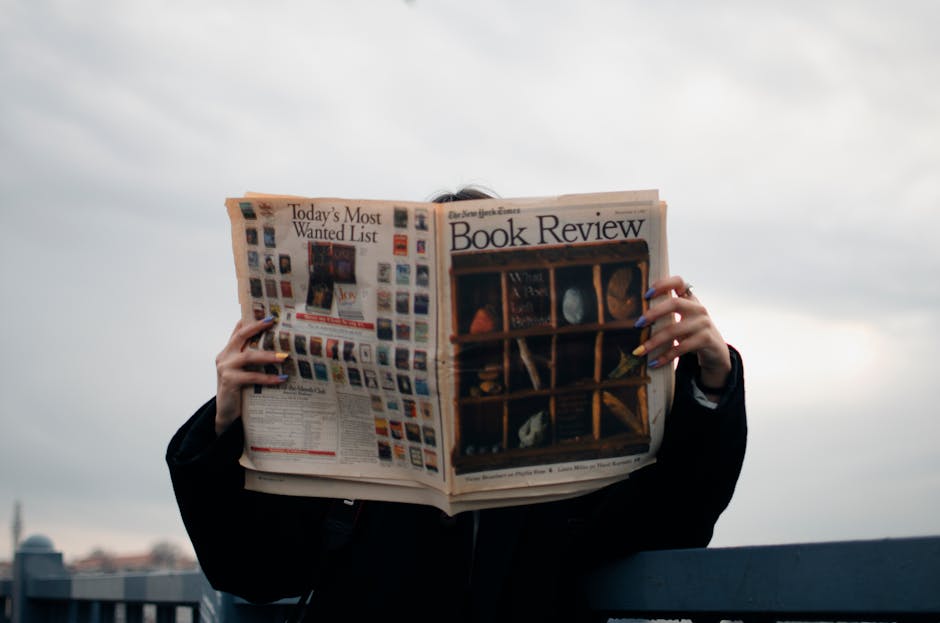

In our hyper-connected world, saturated with instant opinions, the humble book review might seem like a relic. Yet, beneath the surface, well-crafted reviews offer far more than a simple purchasing recommendation. They are vital instruments for navigating the vast sea of literature, fostering critical thinking, and building connections between authors and readers.
Imagine a sprawling library with millions of volumes, each vying for your attention. Without a guide, you’d be lost in a maze of potentially mediocre or irrelevant works. A thoughtful book review acts as your compass, pointing you towards books that resonate with your intellectual curiosity, emotional needs, and personal values. For example, a review of a historical fiction novel might not only summarize the plot but also analyze its accuracy and its relevance to contemporary social issues.
While a brief synopsis provides a bare-bones outline of the story, a true book review delves deeper, dissecting the author’s intent, exploring the underlying themes, and evaluating the effectiveness of their execution. Consider a review of a science fiction novel that doesn’t just describe the futuristic setting but also examines the author’s commentary on technological advancements and their potential impact on humanity. A skilled reviewer unearths hidden layers of meaning, reveals subtle nuances, and invites readers to engage with the text on a more profound level.

Furthermore, effective reviews consider the reader’s perspective. What are they hoping to gain from the book? Are they seeking escapism, intellectual stimulation, or practical knowledge? A well-written review directly addresses these expectations, empowering readers to make informed decisions about their reading choices.
What separates a superficial opinion piece from a truly insightful book review? Several key elements contribute to its value:
The reviewer serves as a bridge between the author’s creation and the reader’s experience. They must possess a deep appreciation for literature, a sharp analytical mind, and the ability to communicate their insights effectively. Integrity is paramount; reviewers must avoid biases and conflicts of interest to maintain their credibility.
Book reviews exert a significant influence on the literary landscape, shaping publishing trends, promoting deserving authors, and fostering a vibrant community of readers. They can ignite conversations, challenge perspectives, and ultimately contribute to the evolution of literature itself. Consider the impact of a positive review on a debut author, catapulting their book to bestseller status and launching their career.

The internet has democratized book reviewing, giving voice to a multitude of perspectives. While this offers greater access and diversity, it also presents challenges, such as the prevalence of anonymous or biased reviews. It’s crucial to cultivate critical reading skills to discern reliable sources from unreliable ones. For example, a review on a personal blog might offer a unique perspective, but it’s important to consider the reviewer’s expertise and potential biases.
In the digital age, discerning credible book reviews is paramount. Seek out reviews from reputable publications, established book blogs, and reviewers with a proven track record. Look for evidence-based analysis, contextual awareness, and original insights. Compare reviews from multiple sources to gain a more comprehensive understanding of the book and to identify potential biases. Think of it like consulting multiple doctors for a second opinion before making a major medical decision.
In conclusion, book reviews are more than just purchasing guides; they are essential tools for intellectual exploration, cultural exchange, and personal enrichment. By engaging with thoughtful reviews, readers can navigate the literary landscape with confidence, discover new voices and perspectives, and deepen their appreciation for the power of storytelling. They are the key to unlocking literary worlds.
If you want a practical next step, you can also check out Heal your past, design your future.
If you want a practical next step, you can also check out Become an Ultimate Master of your life.

 Tim Ferriss & The Self-Improvement Trap: Is More Always Better?General
 The Self-Acceptance Protocol: Beyond Endless Self-ImprovementGeneral
 Beyond Bio-Hacking: The Science of Authentic Self-ImprovementGeneral
 Carl Jung: Life, Ideas & The Path to Spiritual WholenessGeneral
 Book Review: The Biology of Belief – Lipton’s Key LessonsGeneral
 Book Review: Breaking the Habit of Being Yourself by Dr. Joe DispenzaGeneralTim Ferriss & The Self-Improvement Trap: Is More Always Better?GeneralThe Self-Acceptance Protocol: Beyond Endless Self-ImprovementGeneral
Sign in without leaving this document. You will return here automatically.

The Ultimate Masters
https://www.ultimatemasters.org
Subscribe for one year to access all your favourite downloads
500 / year
Unlimited downloads forever
Unlimited downloads
Subscribe for one to access hundreds of downloads.
50 / month
Subscribe quarterly/per term
75 / month
The Ultimate Masters
https://www.ultimatemasters.org
Continue directly to this store’s secure WooCommerce checkout.
Earn direct and team commission with personal links, campaign creatives, discount coupons and transparent reporting.
0 responses on "Beyond the Plot: Exploring the Deeper Resonance of Book Reviews"