



Annual
Subscribe for one year to access all your favourite downloads
500 / year


In today’s digital age, where quick opinions reign supreme, the traditional book review is facing a crossroads. Readers are no longer satisfied with a simple star rating or a brief synopsis. They’re seeking insightful analyses, thoughtful critiques, and a connection with a reviewer who offers a unique perspective. How can we transform book reviews from mere summaries into engaging and impactful literary discussions?
The internet is saturated with automated plot summaries and superficial overviews. While these can be helpful for a quick understanding, they often lack the depth and critical thinking that elevates a review to an art form. An effective review delves into the author’s intent, explores the underlying themes, and examines the book’s impact on the reader and its contribution to the broader cultural landscape. For example, instead of just saying “the protagonist goes on a journey,” explore why that journey is significant and what it reveals about the character and the world.
Cultivating a strong and individual voice is crucial for any book reviewer. This requires more than just expressing personal feelings; it demands a rigorous examination of the text, supported by evidence and logical reasoning. When crafting your review, consider these key aspects:

A truly exceptional book review goes beyond simply summarizing the plot and identifying themes. It incorporates essential elements that elevate it to a higher level of critical analysis, providing readers with a richer understanding of the book and the reviewer’s perspective.
A powerful review situates the book within a broader literary, historical, or social context. This involves considering the author’s previous works, the book’s relationship to other works in the same genre, and its relevance to current events. For example, when reviewing a historical novel, consider how accurately it portrays the period and whether it offers new insights into the events it depicts. Contextualization helps readers understand the book’s significance and its place within the larger world of ideas.
Pay close attention to the author’s writing style, narrative structure, and use of literary devices. Is the writing style accessible and engaging, or is it dense and challenging? Does the narrative follow a linear path, or does it employ flashbacks or multiple perspectives? How do these stylistic choices enhance or detract from the book’s overall impact? For example, consider how the use of stream-of-consciousness narration affects the reader’s understanding of a character’s thoughts and feelings.
Back up your assertions with specific examples from the book. Instead of simply stating that a character is complex, provide evidence from the text that demonstrates their multifaceted nature. Quoting relevant passages can be an effective way to illustrate your points and engage the reader. For instance, if you’re criticizing the dialogue, provide a specific example and explain why you find it unrealistic or unconvincing.

While personal opinions are inherent in book reviewing, it’s crucial to maintain objectivity and integrity. Avoid personal attacks on the author or the book, and strive to present a fair and balanced assessment of its strengths and weaknesses. Remember, the goal is to inform and enlighten, not to tear down.
If you have any personal connection to the author or the book, be upfront about it. For example, if you received a complimentary copy of the book from the publisher, disclose this information in your review. Transparency fosters trust with your readers and demonstrates your commitment to ethical reviewing practices.
Even if you strongly dislike a book, aim to offer constructive criticism. Focus on specific aspects of the book that you found problematic, and explain why you found them problematic. Avoid making broad generalizations or resorting to personal insults. For example, instead of saying “the book was boring,” explain which aspects of the plot or characters failed to engage you and why.
In a world of instant gratification and fleeting attention spans, the insightful book review remains a valuable and enduring art form. By embracing depth, cultivating a unique critical perspective, and upholding ethical standards, reviewers can play a vital role in shaping literary discourse and fostering a deeper appreciation for the transformative power of books.
If you want a practical next step, you can also check out Heal your past, design your future.
If you want a practical next step, you can also check out Become an Ultimate Master of your life.

 The Power of Now Review: Summary & Key Lessons by Eckhart TolleGeneral
 The Biology of Belief Review: Lessons on Mind Over MatterGeneral
 The Four Agreements Review: Key Lessons & Summary of a Timeless GuideGeneral
 The Power of Now Review: Lessons on Presence & StillnessGeneral
 The Biology of Belief Review: Summary, Lessons & Why It MattersGeneral
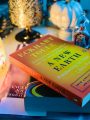 Book Review: The Power of Now by Eckhart Tolle — Summary & LessonsGeneral
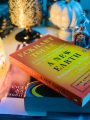 Book Review: The Power of Now by Eckhart Tolle — Summary & LessonsGeneral
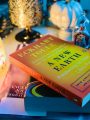 Book Review: The Power of Now by Eckhart Tolle – Summary & LessonsGeneral
 The Power of Now Review: Key Lessons on Presence & PeaceGeneral
 The Power of Now Review: Lessons & Summary for Spiritual SeekersGeneralThe Power of Now Review: Summary & Key Lessons by Eckhart TolleGeneralThe Biology of Belief Review: Lessons on Mind Over MatterGeneralThe Four Agreements Review: Key Lessons & Summary of a Timeless GuideGeneralThe Power of Now Review: Lessons on Presence & StillnessGeneralThe Biology of Belief Review: Summary, Lessons & Why It MattersGeneral
Sign in without leaving this document. You will return here automatically.

The Ultimate Masters
https://www.ultimatemasters.org
Subscribe for one year to access all your favourite downloads
500 / year
Unlimited downloads forever
Unlimited downloads
Subscribe for one to access hundreds of downloads.
50 / month
Subscribe quarterly/per term
75 / month
The Ultimate Masters
https://www.ultimatemasters.org
Continue directly to this store’s secure WooCommerce checkout.
Earn direct and team commission with personal links, campaign creatives, discount coupons and transparent reporting.
0 responses on "The Art of the Critical Eye: Elevating Book Reviews Beyond Simple Summaries"