


Annual
Subscribe for one year to access all your favourite downloads
500 / year
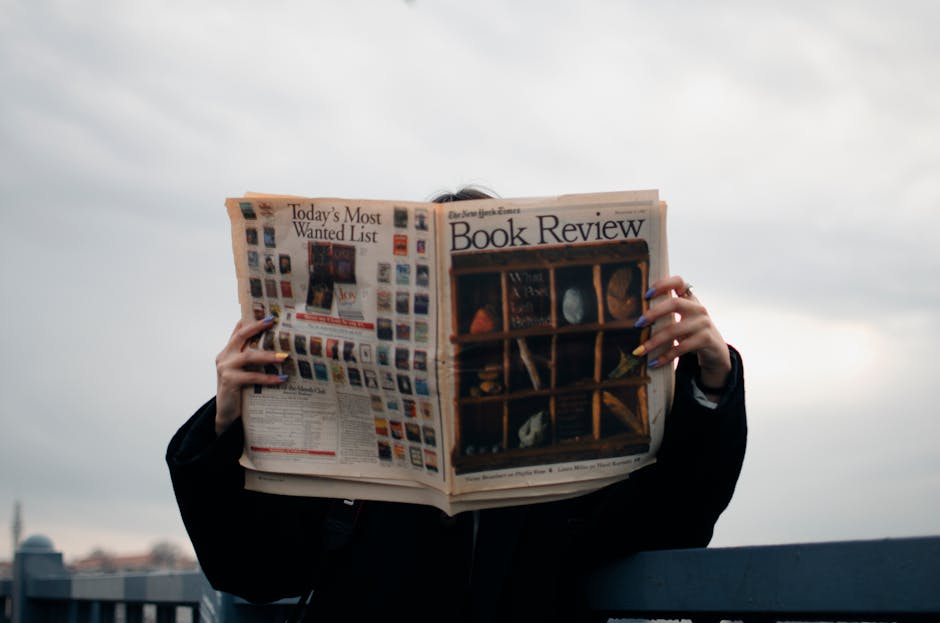

In today’s world, where every book seems to be hailed as a ‘must-read’ masterpiece, it’s easy to get swept up in the hype. But what about the books that don’t quite live up to expectations? That’s where critical, even negative, book reviews become invaluable. They offer a counterpoint to the relentless positivity, providing readers with the information they need to make informed choices.
Think of it like this: you’re planning a trip to a new city. Would you rely solely on the glowing brochures and promotional materials, or would you also seek out honest reviews from travelers who’ve been there before? The same principle applies to books. A critical review can highlight potential pitfalls, saving you time, money, and the disappointment of investing in a book that doesn’t resonate with you.
It’s not about tearing down an author’s work for the sake of it. It’s about providing a balanced perspective, acknowledging both strengths and weaknesses. A well-written critical review can be a gift to both readers and writers, fostering a more discerning and engaged literary community.
A truly helpful critical review goes beyond simply stating whether the reviewer liked or disliked the book. It delves into the specifics, offering concrete examples and reasoned arguments to support its claims. Consider these elements:

Critical reviews empower readers to navigate the vast landscape of published works with greater confidence. They can help you:
While it can be difficult to receive negative feedback, critical reviews can be a valuable source of information for authors. They can:
It’s important to approach critical reviews with a sense of responsibility. Avoid personal attacks and focus on the work itself. Provide constructive feedback and avoid being overly harsh or dismissive. Remember, the goal is to help readers make informed choices and to encourage authors to grow as writers.
In a world saturated with positive reviews, critical book reviews are more important than ever. They provide a valuable counterpoint to the hype, empowering readers to make informed choices and helping authors to improve their craft. So, the next time you’re considering reading a book, don’t just look for the glowing endorsements. Seek out the critical voices, and let them guide you on your literary journey.

If you want a practical next step, you can also check out Heal your past, design your future.
If you want a practical next step, you can also check out Become an Ultimate Master of your life.

 Tim Ferriss & The Self-Improvement Trap: Is More Always Better?General
 The Self-Acceptance Protocol: Beyond Endless Self-ImprovementGeneral
 Beyond Bio-Hacking: The Science of Authentic Self-ImprovementGeneral
 Carl Jung: Life, Ideas & The Path to Spiritual WholenessGeneral
 Book Review: The Biology of Belief – Lipton’s Key LessonsGeneral
 Book Review: Breaking the Habit of Being Yourself by Dr. Joe DispenzaGeneralTim Ferriss & The Self-Improvement Trap: Is More Always Better?GeneralThe Self-Acceptance Protocol: Beyond Endless Self-ImprovementGeneral
Sign in without leaving this document. You will return here automatically.

The Ultimate Masters
https://www.ultimatemasters.org
Subscribe for one year to access all your favourite downloads
500 / year
Unlimited downloads forever
Unlimited downloads
Subscribe for one to access hundreds of downloads.
50 / month
Subscribe quarterly/per term
75 / month
The Ultimate Masters
https://www.ultimatemasters.org
Continue directly to this store’s secure WooCommerce checkout.
Earn direct and team commission with personal links, campaign creatives, discount coupons and transparent reporting.
0 responses on "The Unseen Power of Negative Book Reviews: Why Critical Analysis Matters"