


Annual
Subscribe for one year to access all your favourite downloads
500 / year
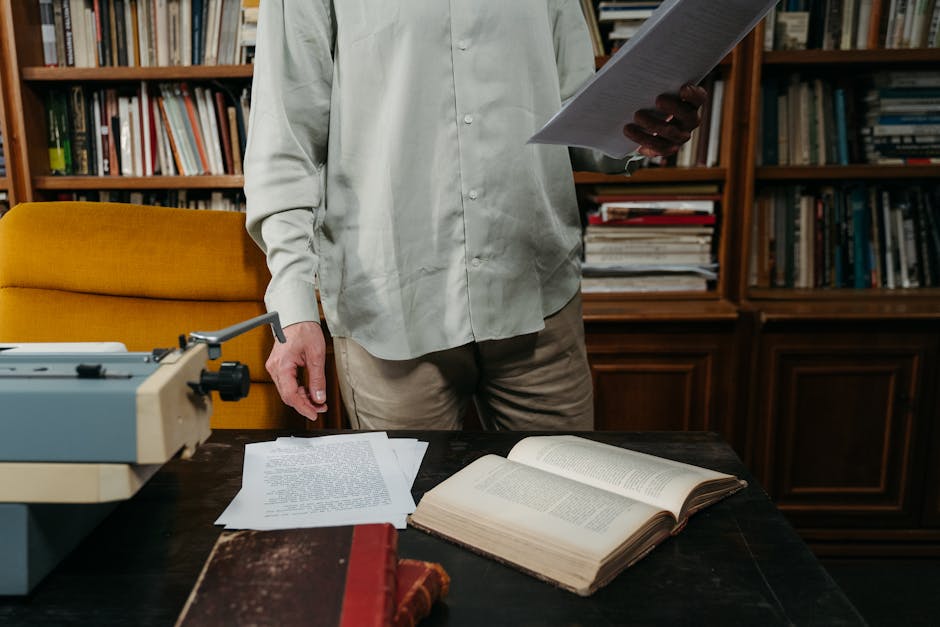

In a world saturated with glowing recommendations and five-star ratings, it’s easy to get swept away by the tide of positivity surrounding new books. While positive reviews certainly have their place, dismissing critical assessments means overlooking a vital source of information. Negative reviews, when approached with an open mind, can be surprisingly beneficial in helping you discover books you’ll truly appreciate.
Negative book reviews are not simply attacks on an author’s work. Thoughtful and constructive critiques can serve as invaluable guides, helping readers navigate the vast landscape of literature. They can highlight potential weaknesses, such as plot holes, inconsistent character development, pacing issues, or a mismatch between the book’s promises and its actual content. This is particularly useful in genres like science fiction or historical fiction, where accuracy and internal consistency are paramount.
Imagine this: a negative review could save you from investing precious time in a book that ultimately disappoints. It might alert you to potentially offensive content, sensitive topics, or simply a writing style that doesn’t resonate with you. By understanding what didn’t work for other readers, you can make a more informed judgment about a book’s suitability for your own reading preferences.
For example, consider someone seeking a fast-paced thriller. A negative review complaining about slow pacing and extensive character backstories could be a crucial warning sign, steering them towards a more action-packed alternative.
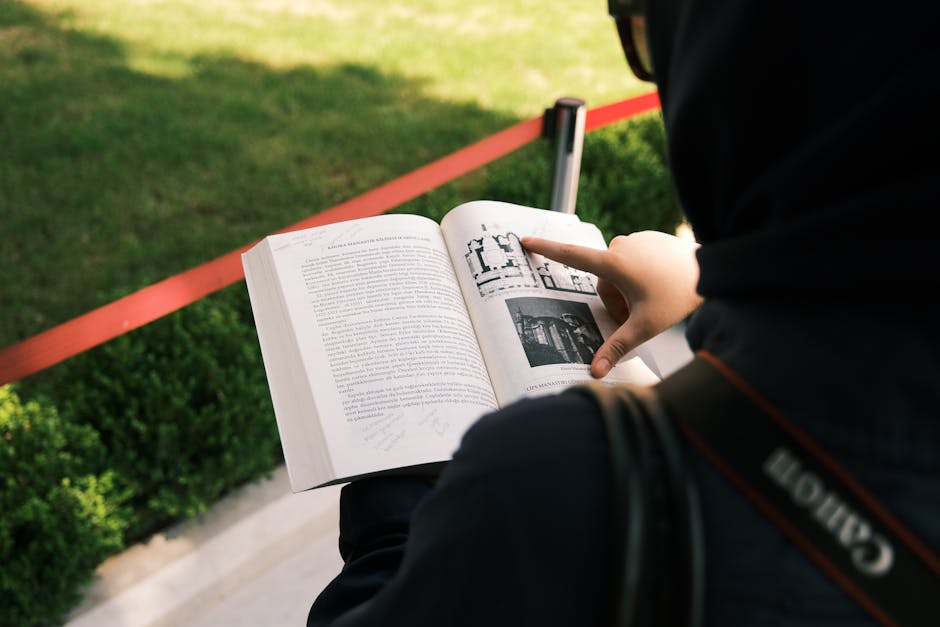
Not all negative reviews are created equal; it’s crucial to distinguish between well-reasoned criticism and purely subjective complaints. A constructive negative review will offer specific examples to support its claims, focusing on the book’s content rather than attacking the author personally.
Look for reviews that provide concrete examples to back up their points. Instead of simply saying “the plot was confusing,” a constructive review might explain which specific plot points were unclear and why. Also, see if the reviewer acknowledges any strengths of the book, demonstrating a balanced perspective.
Be cautious of reviews that are overly emotional, contain personal insults, or make broad generalizations without providing supporting evidence. These reviews are often fueled by personal biases rather than a genuine desire to offer insightful feedback.
Once you’ve identified a negative review that seems credible, use that information to your advantage. Consider the reviewer’s perspective and how it aligns with your own tastes. What might be a deal-breaker for one reader could be a minor issue for another.

Consider your own reading preferences. Do you value complex characters over intricate plots? Are you sensitive to certain themes or language? Use negative reviews to assess whether a book is likely to meet your specific needs and expectations. For example, if you dislike excessive descriptions, a review criticizing a book for being overly descriptive might be a helpful indicator.
Take into account the source of the review. Is it from a professional reviewer, a casual reader on a platform like Amazon or Reddit, or a trusted friend? Different sources may have varying perspectives and priorities. A professional critic might focus on literary merit, while a casual reader might prioritize entertainment value and personal enjoyment.
Ultimately, the power of negative book reviews lies in their ability to promote informed decision-making. By carefully considering both positive and negative perspectives, you can make better choices about what to read, avoiding books that are unlikely to resonate with you. Embrace the opportunity to learn from the experiences of other readers and cultivate your own discerning palate for literature.
If you want a practical next step, you can also check out Heal your past, design your future.
If you want a practical next step, you can also check out Become an Ultimate Master of your life.

 Equinox Shift: A Channeled Guide to Global Consciousness ChangeGeneral
 Autumn Equinox: A Channeled Message for Humanity’s Great RebalancingGeneral
 The Great Awakening’s True Purpose | Sara Landon Channels The CouncilGeneral
 Channeled Predictions for the Next 20 Years with Lee HarrisGeneral
 Kuthumi’s 2027 Vision: How to Navigate Humanity’s Great ShiftGeneral
 Humanity’s 2026 Leap: A Channeled Message Breakdown & GuideGeneral
 Navigating the 2027 Shift: A Guide to Personal ConsciousnessGeneral
 The 2027 Shift: A Channeled Guide to Humanity’s Energetic ShiftGeneral
 Kuthumi’s 2027 Prophecy: Humanity’s Great Awakening (Video)General
 Navigating the 2027 Energetic Shift: Kuthumi’s Guide to What’s NextGeneralEquinox Shift: A Channeled Guide to Global Consciousness ChangeGeneralAutumn Equinox: A Channeled Message for Humanity’s Great RebalancingGeneralThe Great Awakening’s True Purpose | Sara Landon Channels The CouncilGeneralChanneled Predictions for the Next 20 Years with Lee HarrisGeneralKuthumi’s 2027 Vision: How to Navigate Humanity’s Great ShiftGeneral
Sign in without leaving this document. You will return here automatically.

The Ultimate Masters
https://www.ultimatemasters.org
Subscribe for one year to access all your favourite downloads
500 / year
Unlimited downloads forever
Unlimited downloads
Subscribe for one to access hundreds of downloads.
50 / month
Subscribe quarterly/per term
75 / month
The Ultimate Masters
https://www.ultimatemasters.org
Continue directly to this store’s secure WooCommerce checkout.
Earn direct and team commission with personal links, campaign creatives, discount coupons and transparent reporting.
0 responses on "The Hidden Power of Negative Book Reviews: Why Critical Analysis Matters"