


Annual
Subscribe for one year to access all your favourite downloads
500 / year
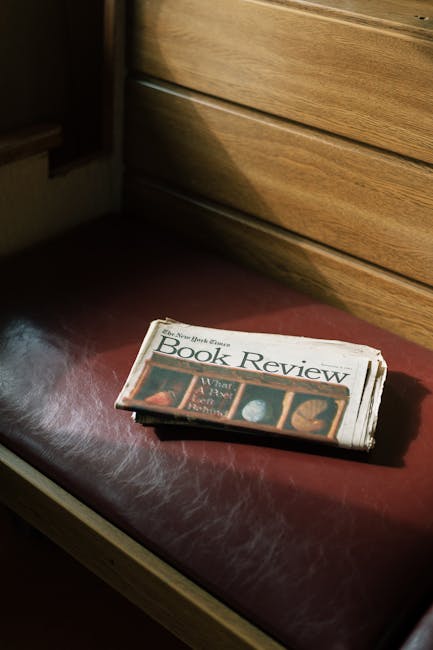

In a world saturated with five-star ratings and glowing endorsements, it’s easy to overlook the significance of negative book reviews. We instinctively gravitate towards positive affirmations, seeking validation before committing our precious time and hard-earned money to a new read. But what if the true value of a review lies not in its praise, but in its critique? What if understanding a book’s weaknesses allows us to make better reading choices, and even appreciate its strengths in a new light?
This article argues that critical book reviews are not just necessary, but vital. They empower readers, challenge authors, and contribute to a more robust and honest literary landscape. We’ll explore why critical perspectives are beneficial, how to interpret them effectively, and why authors should embrace them as opportunities for growth and improvement. Think of it like this: a doctor needs to understand what’s wrong before they can prescribe a cure. Similarly, readers and writers alike can benefit from understanding a book’s flaws.
Let’s face it: writing a negative review can feel uncomfortable. There’s a natural human tendency to avoid conflict and to be kind to authors who have poured their heart and soul into their work. Many reviewers also fear backlash from passionate fans or even the author themselves. This fear creates a climate where honest feedback is often softened or suppressed, leading to a skewed perception of a book’s true merits.
Furthermore, algorithms on online platforms often prioritize positive reviews, burying negative ones or even filtering them out altogether. This creates an echo chamber of positivity, making it difficult for potential readers to access diverse perspectives and make informed decisions. Imagine searching for a new restaurant and only seeing five-star reviews – wouldn’t you be suspicious? The same applies to books.

Social media, while offering instant reactions and discussions, often discourages nuanced critique. Platforms like Twitter, with their character limits, favor quick, easily digestible opinions over thoughtful analysis. This often leads to extreme reactions – either unbridled praise or outright dismissal – rather than balanced assessments.
Despite the challenges, negative reviews offer significant benefits. They provide a more balanced view of a book’s strengths and weaknesses, allowing readers to make informed decisions based on their individual preferences. For example, a critical review might point out slow pacing, underdeveloped characters, or plot holes, allowing readers to decide if these potential drawbacks are deal-breakers. Perhaps you enjoy slow-burn mysteries, in which case a ‘slow pacing’ critique might be a positive for you!
By understanding a book’s limitations, readers can appreciate its strengths more fully. Acknowledging flaws provides context and allows for a more nuanced understanding of the author’s choices and the overall impact of the work. It’s like appreciating the beauty of a painting even when you notice a slight imperfection in the brushstrokes.
Negative reviews, when constructive, offer authors invaluable feedback. They can highlight areas for improvement in future works, identify recurring issues in their writing, and provide insights into how readers perceive their creative choices. Authors who embrace constructive criticism are more likely to grow and refine their craft. Think of it as a coach providing feedback to an athlete, helping them improve their performance.
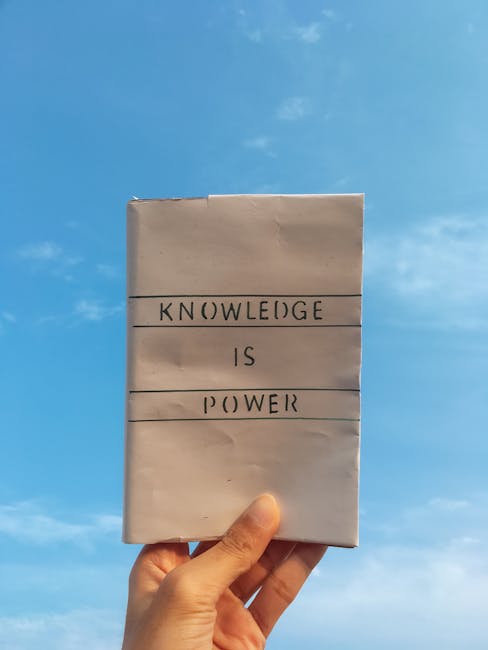
It’s crucial to approach negative reviews with a discerning eye. Not all criticism is created equal. Some reviews may be biased, poorly reasoned, or simply reflect a mismatch between the reviewer’s preferences and the book’s genre or style. Consider the reviewer’s credentials, their history of reviews, and the specific reasons they cite for their criticisms.
A valuable negative review will provide specific examples from the text to support its claims. Avoid reviews that rely on vague generalizations or personal attacks. Look for reviewers who offer concrete evidence to back up their opinions. For example, instead of saying “the plot was confusing,” a helpful review would say, “the plot became confusing in chapter 5 when the author introduced three new characters without proper context.”
Different review sources have different reputations and standards. Reviews from established literary journals or reputable book bloggers are generally more reliable than anonymous comments on online marketplaces. Consider the source when evaluating the credibility of a negative review. A review from The New York Review of Books carries more weight than a random comment on Amazon.
Negative book reviews are not enemies to be feared; they are essential ingredients in a healthy and vibrant literary ecosystem. By embracing critical perspectives, we empower readers to make informed choices, encourage authors to strive for excellence, and foster a more nuanced and intellectually stimulating reading experience for all. It’s about creating a culture where honest feedback is valued and used to improve the quality of literature for everyone.
If you want a practical next step, you can also check out Heal your past, design your future.
If you want a practical next step, you can also check out Become an Ultimate Master of your life.


 Equinox Shift: A Channeled Guide to Global Consciousness ChangeGeneral
 Autumn Equinox: A Channeled Message for Humanity’s Great RebalancingGeneral
 The Great Awakening’s True Purpose | Sara Landon Channels The CouncilGeneral
 Channeled Predictions for the Next 20 Years with Lee HarrisGeneral
 Kuthumi’s 2027 Vision: How to Navigate Humanity’s Great ShiftGeneral
 Humanity’s 2026 Leap: A Channeled Message Breakdown & GuideGeneral
 Navigating the 2027 Shift: A Guide to Personal ConsciousnessGeneral
 The 2027 Shift: A Channeled Guide to Humanity’s Energetic ShiftGeneral
 Kuthumi’s 2027 Prophecy: Humanity’s Great Awakening (Video)General
 Navigating the 2027 Energetic Shift: Kuthumi’s Guide to What’s NextGeneralEquinox Shift: A Channeled Guide to Global Consciousness ChangeGeneralAutumn Equinox: A Channeled Message for Humanity’s Great RebalancingGeneralThe Great Awakening’s True Purpose | Sara Landon Channels The CouncilGeneralChanneled Predictions for the Next 20 Years with Lee HarrisGeneralKuthumi’s 2027 Vision: How to Navigate Humanity’s Great ShiftGeneral
Sign in without leaving this document. You will return here automatically.

The Ultimate Masters
https://www.ultimatemasters.org
Subscribe for one year to access all your favourite downloads
500 / year
Unlimited downloads forever
Unlimited downloads
Subscribe for one to access hundreds of downloads.
50 / month
Subscribe quarterly/per term
75 / month
The Ultimate Masters
https://www.ultimatemasters.org
Continue directly to this store’s secure WooCommerce checkout.
Earn direct and team commission with personal links, campaign creatives, discount coupons and transparent reporting.
1 responses on "The Unseen Power of Negative Book Reviews: A Critical Perspective"