




Annual
Subscribe for one year to access all your favourite downloads
500 / year
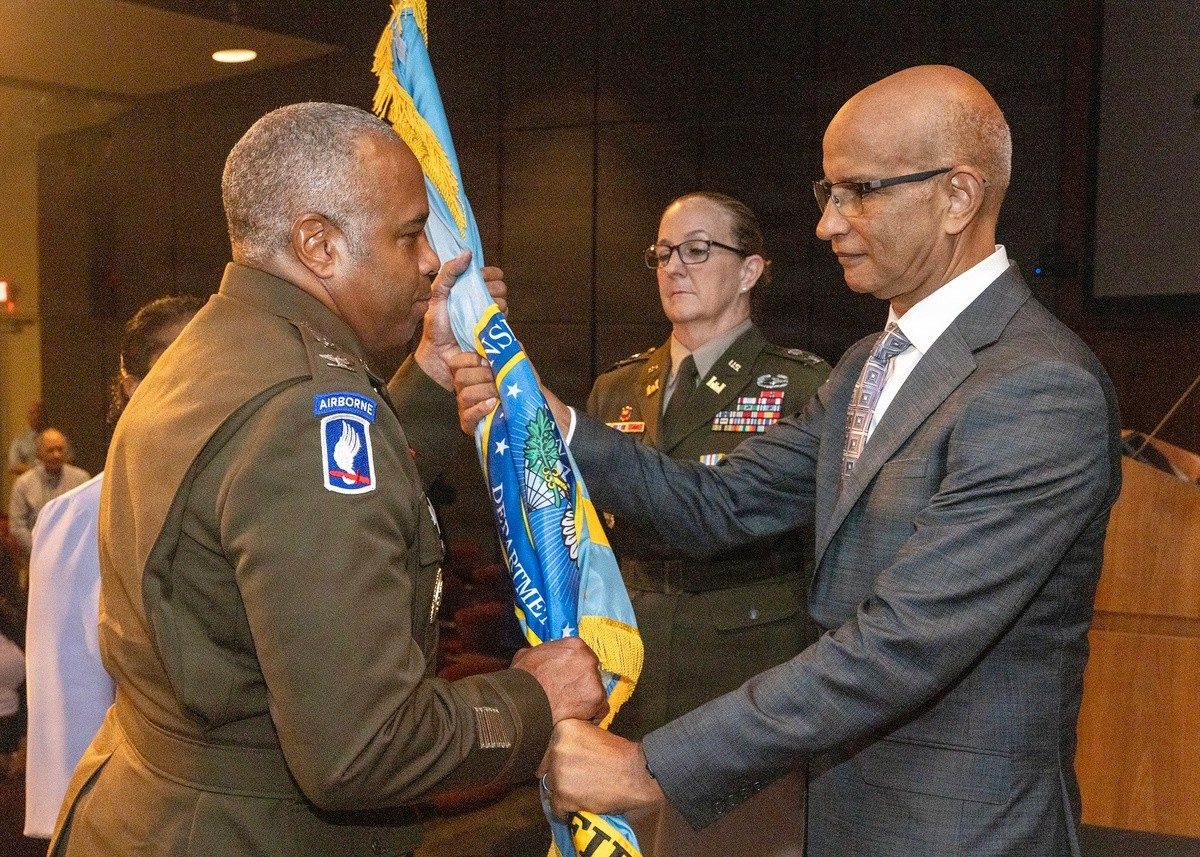

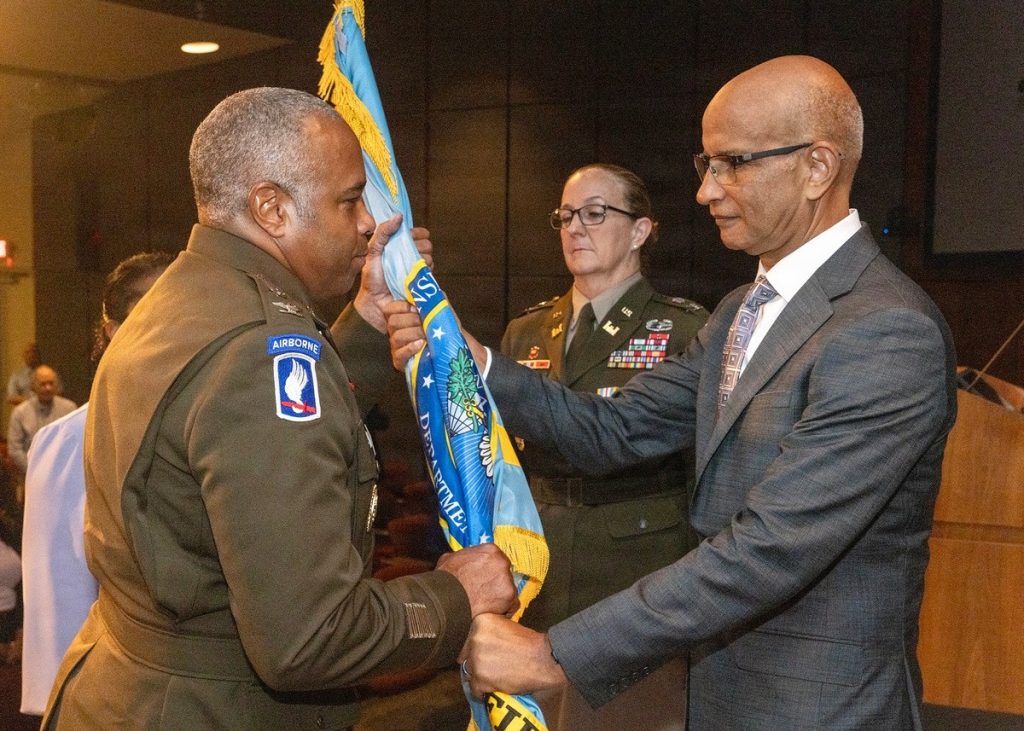
While management ensures a well-oiled machine runs smoothly, executive leadership is the act of designing the machine itself. An executive leader serves as the organization’s chief architect, drafting the blueprint that defines its purpose, structure, and potential for growth. This role transcends operational oversight; it is fundamentally about creation and strategic design. Where a manager asks, ‘How can we optimize the current process?’, the executive architect asks, ‘What should we be building, and why does it matter?’ This distinction is crucial: one maintains the present, while the other invents the future.
Every enduring organization is built on a clear and compelling strategic framework—the foundational master plan. This is more than a catchy mission statement; it is the ‘North Star’ that guides every subsequent decision, from capital investment to product development. A powerful framework balances bold ambition with tangible possibility, creating a destination that energizes the entire organization. For instance, when Satya Nadella redefined Microsoft’s mission to ’empower every person and every organization on the planet to achieve more,’ it was a new architectural plan. This vision directly led to a monumental shift from a Windows-centric model to a cloud-first, AI-driven powerhouse, demonstrating how a well-articulated vision can reshape a global enterprise.
If strategy is the blueprint, culture is the invisible operating system that runs on it. It dictates how people collaborate, make decisions, and innovate. A high-impact executive does not simply let culture emerge; they deliberately engineer it through powerful, interconnected levers:
Netflix’s famous culture deck exemplifies this approach. It’s not a list of vague values but a set of operating principles for high-performers, designed specifically to support the company’s strategic need for constant innovation and adaptation.
Taking the next step becomes straightforward when you have the right support — Become an Ultimate Master of your life is worth exploring.
Taking the next step becomes straightforward when you have the right support — Heal your past, design your future is worth exploring.
To translate a blueprint into a tangible structure, an architect needs specialized tools. Similarly, an executive leader relies on a set of core competencies to build and scale their vision.
This is the ability to simultaneously hold two perspectives. The ‘telescope’ allows a leader to see long-term industry shifts, competitive threats, and market opportunities years in advance. The ‘microscope’ enables them to zoom in on the critical operational details or team dynamics that could derail execution. Great leaders constantly shift their focus between the 10,000-foot view and the ground-level reality.
Leadership often requires making high-stakes decisions with incomplete information. This competency is not about reckless gambles but about developing a robust framework for navigating ambiguity. It involves differentiating between ‘one-way door’ (irreversible) and ‘two-way door’ (reversible) decisions, assessing probabilities, and possessing the courage to commit to a path while remaining agile enough to pivot based on new data.
Beyond basic emotional intelligence, this is the ability to create organizational resonance. A resonant leader uses empathy and sharp communication to understand and align the motivations of diverse stakeholders—from the board of directors to frontline employees. They build the relational capital required to lead through difficult transformations, ensuring that the entire organization vibrates at the same strategic frequency.
A brilliant design is worthless until it is built. The final test of leadership is the ability to activate the strategic blueprint and translate it into measurable, real-world impact.
An organization’s budget and staffing plan are its most honest strategic documents. The primary mechanism for making a vision real is the deliberate allocation of capital and talent. A strategy to be an ‘innovation leader’ is mere fantasy if the R&D budget is shrinking and top engineers are assigned to legacy projects. Executives enact their strategy by deciding, with discipline, where to invest the company’s finite resources.
True accountability is not created by top-down enforcement but by designing systems that foster ownership and rapid learning. By implementing transparent feedback loops—such as After Action Reviews (AARs) or shared KPI dashboards—leaders empower teams to track their own progress and make real-time adjustments. The executive’s role is to build a resilient system that self-corrects and improves, ensuring the organization can adapt and thrive long after the initial plans are laid.

 The Inner Compass: Spiritual Intelligence in Executive LeadershipGeneral
 The SQ Executive: Why Spiritual Intelligence Is the New Leadership EdgeGeneral
 Executive Leadership: Mastering Presence, Resilience & VisionGeneral
 Legacy-Driven Leadership: Beyond Profit to Lasting ImpactGeneral
 The Soulful Executive: Leadership Beyond the Bottom LineGeneral
 Executive Leadership: The Definitive Guide to Vision & ImpactGeneralThe Inner Compass: Spiritual Intelligence in Executive LeadershipGeneralThe SQ Executive: Why Spiritual Intelligence Is the New Leadership EdgeGeneralExecutive Leadership: Mastering Presence, Resilience & VisionGeneralLegacy-Driven Leadership: Beyond Profit to Lasting ImpactGeneral
Sign in without leaving this document. You will return here automatically.

The Ultimate Masters
https://www.ultimatemasters.org
Subscribe for one year to access all your favourite downloads
500 / year
Unlimited downloads forever
Unlimited downloads
Subscribe for one to access hundreds of downloads.
50 / month
Subscribe quarterly/per term
75 / month
The Ultimate Masters
https://www.ultimatemasters.org
Continue directly to this store’s secure WooCommerce checkout.
Earn direct and team commission with personal links, campaign creatives, discount coupons and transparent reporting.
0 responses on "Executive Leadership: The Definitive Guide to Vision & Impact"