




Annual
Subscribe for one year to access all your favourite downloads
500 / year


In an era where quarterly earnings reports can dictate corporate destiny, a dangerous paradox has emerged. Companies may hit record financial targets, yet they simultaneously face unprecedented levels of employee burnout, customer cynicism, and a fragile sense of organizational identity. The relentless pursuit of profit, detached from a deeper meaning, creates a hollow victory. This has given rise to a new leadership paradigm, one that shifts the focus from the ledger to the legacy. It’s a model driven not by IQ’s analytics or EQ’s empathy alone, but by a profound commitment to core values—a practical form of spiritual intelligence that builds enterprises designed to last.
At its core, value-driven leadership is the capacity to anchor every strategic decision, operational process, and human interaction in a clear, unwavering set of ethical principles and a compelling purpose. It’s not about corporate social responsibility as a side project; it’s about integrating the ‘why’ into the ‘what’ and ‘how’ of the business. This framework moves beyond abstract ideals and translates into a distinct operational advantage.
Taking the next step becomes straightforward when you have the right support — Heal your past, design your future is worth exploring.
Taking the next step becomes straightforward when you have the right support — Become an Ultimate Master of your life is worth exploring.
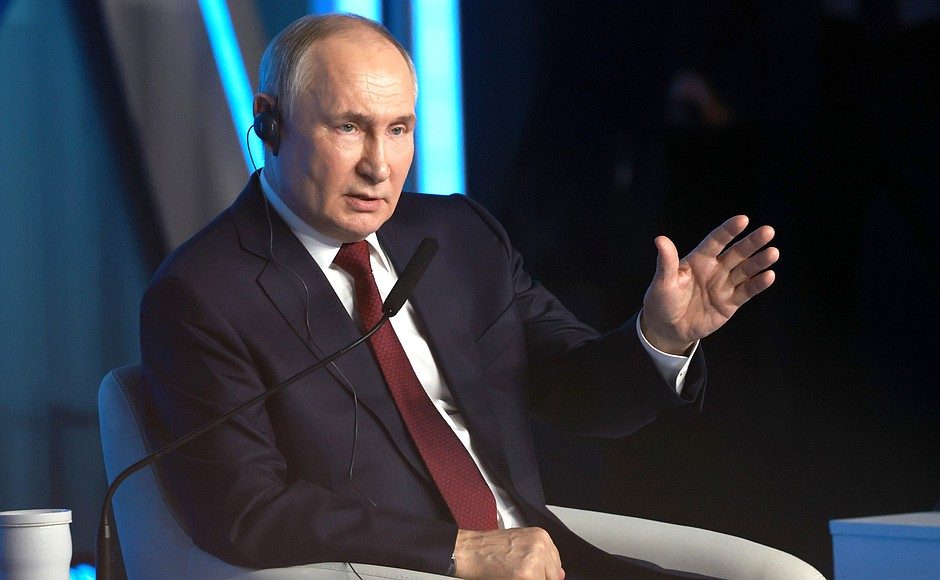
Shifting to a value-driven model is not an act of charity; it is a powerful driver of sustainable growth and resilience. Organizations that successfully embed a sense of purpose into their DNA consistently outperform their peers on key business metrics because they unlock the most potent human motivator: the desire to contribute to something meaningful.
When employees are connected to a mission they believe in, their engagement transforms. They become more resilient in the face of challenges and more proactive in seeking innovative solutions. This is reflected in hard data: Deloitte studies have shown that purpose-driven companies experience 40% higher levels of workforce retention and 30% greater innovation capacity. This isn’t a coincidence; it’s the result of a culture where people feel valued for more than their output, fostering loyalty and creative courage.
Consider the rise of Certified B Corporations, businesses that meet the highest standards of verified social and environmental performance, public transparency, and legal accountability. Companies like Patagonia and Allbirds have proven that prioritizing people and the planet alongside profit can create fiercely loyal customer bases and a brand identity that transcends product, becoming a symbol of a movement people want to join.
Developing this capacity requires intentional effort and a willingness to lead from a place of authenticity. It is a skill honed through consistent practice, not a trait one is born with.
 The Inner Compass: Spiritual Intelligence in Executive LeadershipGeneral
 The SQ Executive: Why Spiritual Intelligence Is the New Leadership EdgeGeneral
 Executive Leadership: Mastering Presence, Resilience & VisionGeneral
 Legacy-Driven Leadership: Beyond Profit to Lasting ImpactGeneral
 The Soulful Executive: Leadership Beyond the Bottom LineGeneral
 Executive Leadership: The Definitive Guide to Vision & ImpactGeneralThe Inner Compass: Spiritual Intelligence in Executive LeadershipGeneralThe SQ Executive: Why Spiritual Intelligence Is the New Leadership EdgeGeneralExecutive Leadership: Mastering Presence, Resilience & VisionGeneralLegacy-Driven Leadership: Beyond Profit to Lasting ImpactGeneral
Sign in without leaving this document. You will return here automatically.

The Ultimate Masters
https://www.ultimatemasters.org
Subscribe for one year to access all your favourite downloads
500 / year
Unlimited downloads forever
Unlimited downloads
Subscribe for one to access hundreds of downloads.
50 / month
Subscribe quarterly/per term
75 / month
The Ultimate Masters
https://www.ultimatemasters.org
Continue directly to this store’s secure WooCommerce checkout.
Earn direct and team commission with personal links, campaign creatives, discount coupons and transparent reporting.
0 responses on "The Inner Compass: Spiritual Intelligence in Executive Leadership"