




Annual
Subscribe for one year to access all your favourite downloads
500 / year
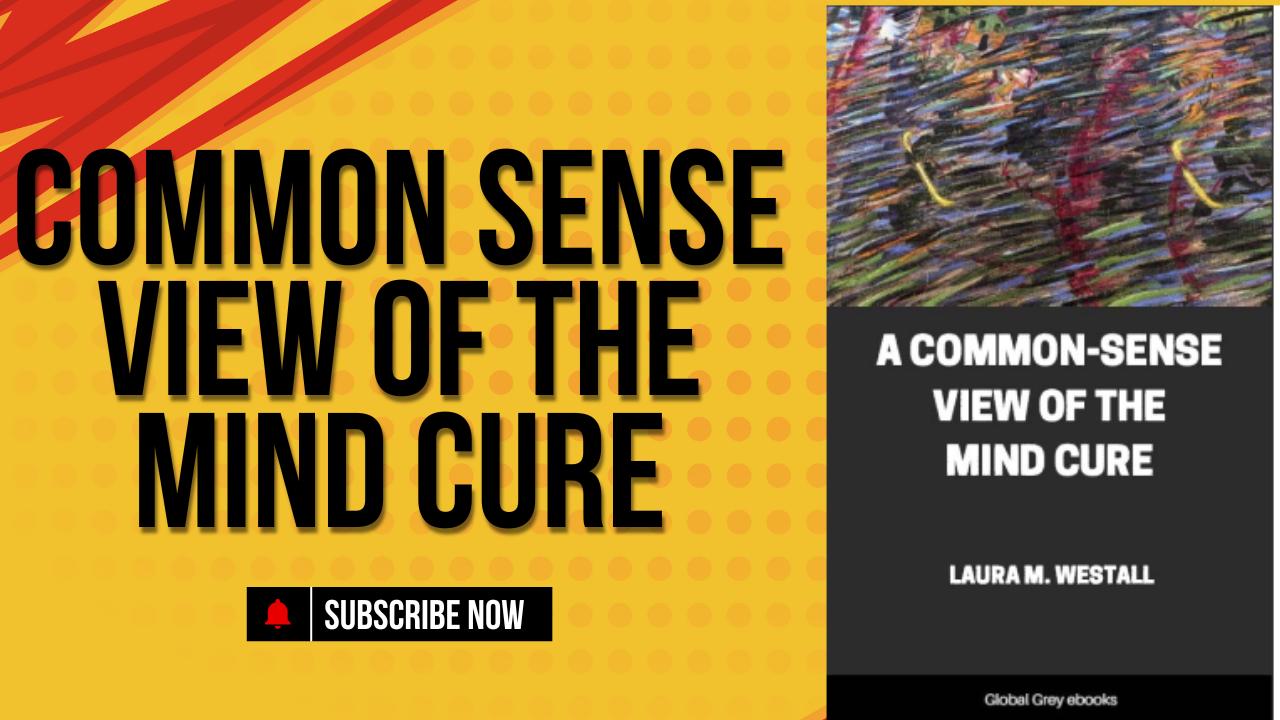

Laura Westall’s “A Common-Sense View of the Mind-Cure” (1908) explores the power of the mind over the body, grounded in the new scientific psychology of the late 19th century. The text elucidates the connection between the mind, brain, and nervous system, explaining how sensations and ideas shape our consciousness and influence our physical well-being. Westall emphasizes the importance of managing emotions and imagination, as well as focusing attention, to harness the body’s natural healing abilities. The work provides practical advice on addressing various ailments through a combination of mental and physical techniques, including deep breathing, self-suggestion, and lifestyle adjustments. Ultimately, the book advocates for a holistic approach to health, acknowledging the interplay between mental and physical factors in achieving overall well-being. The book also reviews evidence in the form of anecdotes, personal experience, and studies to show the effectiveness of the methods described.
1. What is the central idea of the mind-cure as presented in this text?
The central idea is that the mind has a powerful influence over the body, and that by understanding the connection between the mind, brain, and nervous system, one can consciously influence physical health and well-being. This is achieved by controlling thoughts, emotions, and attention, and directing mental energy toward healing and improved functioning of the body. The book argues against the traditional separation of mind and body, highlighting their interconnectedness.
2. How do our senses contribute to the development of our minds, according to this text?
Our senses are crucial for the development of our minds. The senses – sight, hearing, touch, taste, and smell – are the means by which we receive information about the world and form ideas. Without sensory input, we would have no knowledge, no self-awareness, and no understanding of our environment. Sensory experiences create impressions on the brain, which are then organized and associated to form complex thoughts and ideas.
3. How does the author describe the relationship between the mind and the brain?
The author presents the brain as the immediate organ of the mind, acting as a powerhouse that runs the body. The brain is a physical structure composed of delicate nervous tissue that reacts to the force of the mind. Ideas, when active, cause molecular and chemical changes in the brain, which in turn release energy that influences bodily functions. The brain is in constant communication with all parts of the body through the nervous system, making it the central control system for physical processes. A healthy brain is essential for a healthy mind, and vice versa.
4. What role does the nervous system play in the mind-body connection described in this text?
The nervous system acts as the communication network between the brain and the rest of the body. Mental energy, generated by the brain, flows through the nervous system to all organs and tissues, influencing their function and health. There are three types of nerves (motor, sensory, and sympathetic). This vital energy keeps bodily processes running. The nervous system is also susceptible to the effects of emotions and thoughts; for example, strong emotions can disrupt nerve function and affect circulation and digestion.
5. How does imagination influence our well-being, according to the author?
Imagination is portrayed as a powerful force that shapes our perception of reality and influences our physical health. We think in pictures, and the images we create in our minds can directly impact our mental and physical states. Positive, constructive imagination can promote healing and well-being, while negative, fear-based imagination can lead to illness and disease. By consciously controlling our imagination and creating positive mental images, we can influence the mental energy and chemical changes within the body to bring about desired outcomes.
6. What is the significance of “attention” in the context of mind-cure, as explained here?
Attention is the act of focusing the mind on a specific idea, sensation, or part of the body. The author asserts that where attention goes, energy flows. By directing our attention to a particular area of the body, we can increase the supply of vital energy to that area, promoting healing and improved function. Conversely, morbid attention, or focusing on pain and illness, can exacerbate negative symptoms. A deliberate, focused attention can help heal the body.
7. How does the text define pain, and how does this definition relate to the practice of mind-cure?
Pain is defined as a mental sensation, not simply a physical one. While pain originates from a stimulus in the body, it is only perceived and experienced in the mind. The author notes that distraction can temporarily diminish or eliminate the sensation of pain, indicating its mental nature. If pain is a mental sensation, we are empowered to shift it by altering the brain’s perception. Pain has an origination in the nerves, but it takes perception to truly make it something we experience.

8. How does the environment, both internal and external, influence health and well-being, according to the author, and what actions does the author suggest to take care of ourselves?
Both internal and external environments play a crucial role in our health and well-being. Our internal environment (thoughts, emotions, and mental states) influences our physical state, while the external environment (air, food, surroundings) provides the necessary elements for life. Positive mental reactions to our environment are as important as maintaining a healthy physical environment.
The author suggests improving our health and well-being through various measures: resting and stimulating the brain, practicing proper breathing techniques, and local self-treatment involving focused attention and mental imagery to direct vital energy to specific body parts. The author also emphasizes the importance of addressing mental strain and cultivating a positive mindset.
Answer each question in 2-3 sentences, drawing directly from the source material.

 The Power of Now Review: Summary & Key Lessons by Eckhart TolleGeneral
 The Biology of Belief Review: Lessons on Mind Over MatterGeneral
 The Four Agreements Review: Key Lessons & Summary of a Timeless GuideGeneral
 The Power of Now Review: Lessons on Presence & StillnessGeneral
 The Biology of Belief Review: Summary, Lessons & Why It MattersGeneral
 Book Review: The Power of Now by Eckhart Tolle — Summary & LessonsGeneral
 Book Review: The Power of Now by Eckhart Tolle — Summary & LessonsGeneral
 Book Review: The Power of Now by Eckhart Tolle – Summary & LessonsGeneral
 The Power of Now Review: Key Lessons on Presence & PeaceGeneral
 The Power of Now Review: Lessons & Summary for Spiritual SeekersGeneralThe Power of Now Review: Summary & Key Lessons by Eckhart TolleGeneralThe Biology of Belief Review: Lessons on Mind Over MatterGeneralThe Four Agreements Review: Key Lessons & Summary of a Timeless GuideGeneralThe Power of Now Review: Lessons on Presence & StillnessGeneralThe Biology of Belief Review: Summary, Lessons & Why It MattersGeneral
Sign in without leaving this document. You will return here automatically.

The Ultimate Masters
https://www.ultimatemasters.org
Subscribe for one year to access all your favourite downloads
500 / year
Unlimited downloads forever
Unlimited downloads
Subscribe for one to access hundreds of downloads.
50 / month
Subscribe quarterly/per term
75 / month
The Ultimate Masters
https://www.ultimatemasters.org
Continue directly to this store’s secure WooCommerce checkout.
Earn direct and team commission with personal links, campaign creatives, discount coupons and transparent reporting.
0 responses on "Common Sense View of the Mind Cure"