



Annual
Subscribe for one year to access all your favourite downloads
500 / year


In an age overflowing with content, book reviews act as essential guides, helping readers navigate the vast world of literature. But a great book review does more than just summarize a plot or assign a star rating. It’s a deep dive into the heart of the book, exploring its themes, analyzing its characters, and considering its impact on us as readers. Let’s explore how to create and find book reviews that offer genuine insights and spark meaningful conversations.
Think of a book review as a conversation starter. It’s your opportunity to share your unique reading experience, dissect the author’s intentions, and assess the book’s lasting significance. A truly compelling review is about more than just whether you enjoyed the book; it’s about understanding why you reacted the way you did and how the book resonated with your personal experiences and perspectives. For instance, a review of “To Kill a Mockingbird” might explore the themes of justice and prejudice, while a review of a sci-fi novel like “Dune” could focus on its world-building and philosophical implications.
With countless reviews available online, it can be hard to distinguish the valuable ones from the rest. Here’s what to look for:

Book reviews are more than just consumer guides; they’re catalysts for intellectual discourse. They encourage readers to think critically, engage with diverse viewpoints, and deepen their appreciation for storytelling. For authors, reviews offer invaluable feedback, helping them improve their craft and connect with their readers on a deeper level. By actively participating in the world of book reviews, we contribute to a thriving literary community that benefits everyone. Imagine an author using feedback from reviews to refine their next novel, creating an even more compelling and impactful story.
Ready to add your voice to the literary conversation? Here’s a guide to writing impactful book reviews:
Before you start writing, immerse yourself in the book. Read actively, taking notes on key themes, character arcs, and passages that stood out to you. Highlight quotes, jot down your thoughts, and consider how the book made you feel.
A well-organized review is easy to read and engaging. Consider this structure:

Your review should reflect your genuine experience with the book. Don’t be afraid to express your opinions, even if they differ from popular opinion. Authenticity is crucial for building trust with your audience.
Before publishing your review, carefully check for errors in grammar, spelling, and punctuation. A polished review demonstrates professionalism and enhances your credibility.
As technology advances, the landscape of book reviews continues to evolve. From video reviews on platforms like TikTok and YouTube to interactive discussions on Goodreads and other social media platforms, new ways to share literary insights are constantly emerging. By embracing these innovations and upholding the principles of thoughtful analysis and honest critique, we can ensure that book reviews remain a valuable resource for readers and writers for years to come.
If you want a practical next step, you can also check out Heal your past, design your future.
If you want a practical next step, you can also check out Become an Ultimate Master of your life.

 The Power of Now Review: Summary & Key Lessons by Eckhart TolleGeneral
 The Biology of Belief Review: Lessons on Mind Over MatterGeneral
 The Four Agreements Review: Key Lessons & Summary of a Timeless GuideGeneral
 The Power of Now Review: Lessons on Presence & StillnessGeneral
 The Biology of Belief Review: Summary, Lessons & Why It MattersGeneral
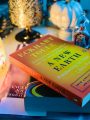 Book Review: The Power of Now by Eckhart Tolle — Summary & LessonsGeneral
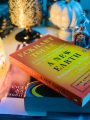 Book Review: The Power of Now by Eckhart Tolle — Summary & LessonsGeneral
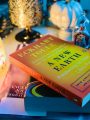 Book Review: The Power of Now by Eckhart Tolle – Summary & LessonsGeneral
 The Power of Now Review: Key Lessons on Presence & PeaceGeneral
 The Power of Now Review: Lessons & Summary for Spiritual SeekersGeneralThe Power of Now Review: Summary & Key Lessons by Eckhart TolleGeneralThe Biology of Belief Review: Lessons on Mind Over MatterGeneralThe Four Agreements Review: Key Lessons & Summary of a Timeless GuideGeneralThe Power of Now Review: Lessons on Presence & StillnessGeneralThe Biology of Belief Review: Summary, Lessons & Why It MattersGeneral
Sign in without leaving this document. You will return here automatically.

The Ultimate Masters
https://www.ultimatemasters.org
Subscribe for one year to access all your favourite downloads
500 / year
Unlimited downloads forever
Unlimited downloads
Subscribe for one to access hundreds of downloads.
50 / month
Subscribe quarterly/per term
75 / month
The Ultimate Masters
https://www.ultimatemasters.org
Continue directly to this store’s secure WooCommerce checkout.
Earn direct and team commission with personal links, campaign creatives, discount coupons and transparent reporting.
0 responses on "Beyond the Stars: How Book Reviews Illuminate Our Inner Worlds"