


Annual
Subscribe for one year to access all your favourite downloads
500 / year


The world of spiritual books is vast, a library filled with whispers of ancient wisdom and echoes of modern seekers. From the Bhagavad Gita to contemporary works on mindfulness, the sheer volume of literature promising enlightenment can be overwhelming. How do we, as readers and reviewers, navigate this sea of words? How do we separate genuine insight from fleeting trends or, worse, harmful ideologies? Reviewing spiritual books demands a unique approach, one that blends intellectual rigor with an open heart.
Reviewing a spiritual book isn’t like critiquing a mystery novel or a biography. Subjectivity reigns supreme. What moves one person to tears of understanding might leave another cold. Personal beliefs, life experiences, and individual spiritual journeys all color our interpretations. Therefore, a reviewer must tread carefully, balancing personal perspective with an objective assessment of the book’s merits.
Spiritual texts often delve into the intangible: energy fields, abstract concepts, and subjective experiences. Proving claims can be difficult, if not impossible. The language used is often metaphorical, relying on imagery and open interpretation. How, then, do we critically evaluate concepts that defy empirical validation? Imagine trying to measure the weight of a feeling or the color of a thought.

The key lies in focusing on the book’s internal consistency, the clarity of its presentation, and its potential for positive impact. Does the author build a logical framework for understanding the spiritual ideas? Does the writing style enhance or obscure the message? For example, consider the difference between a self-help book that offers concrete steps to manage anxiety versus one that relies solely on vague affirmations.
To craft a comprehensive and insightful review of a spiritual book, consider these key elements:
Understanding the author’s background, qualifications, and motivations is crucial for assessing the book’s credibility. Ask yourself:
Ultimately, a spiritual book’s value lies in its ability to connect with the reader on a personal level. Consider your own background, beliefs, and experiences when evaluating the book. Reflect on these questions:

Remember, spiritual books are not one-size-fits-all. What resonates deeply with one person may not resonate with another. Be open to exploring diverse viewpoints and discovering the books that best support your individual journey of self-discovery and spiritual growth.
If you want a practical next step, you can also check out Heal your past, design your future.
If you want a practical next step, you can also check out Become an Ultimate Master of your life.

 The Power of Now Review: Summary & Key Lessons by Eckhart TolleGeneral
 The Biology of Belief Review: Lessons on Mind Over MatterGeneral
 The Four Agreements Review: Key Lessons & Summary of a Timeless GuideGeneral
 The Power of Now Review: Lessons on Presence & StillnessGeneral
 The Biology of Belief Review: Summary, Lessons & Why It MattersGeneral
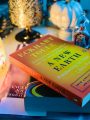 Book Review: The Power of Now by Eckhart Tolle — Summary & LessonsGeneral
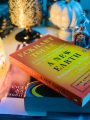 Book Review: The Power of Now by Eckhart Tolle — Summary & LessonsGeneral
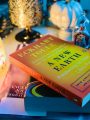 Book Review: The Power of Now by Eckhart Tolle – Summary & LessonsGeneral
 The Power of Now Review: Key Lessons on Presence & PeaceGeneral
 The Power of Now Review: Lessons & Summary for Spiritual SeekersGeneralThe Power of Now Review: Summary & Key Lessons by Eckhart TolleGeneralThe Biology of Belief Review: Lessons on Mind Over MatterGeneralThe Four Agreements Review: Key Lessons & Summary of a Timeless GuideGeneralThe Power of Now Review: Lessons on Presence & StillnessGeneralThe Biology of Belief Review: Summary, Lessons & Why It MattersGeneral
Sign in without leaving this document. You will return here automatically.

The Ultimate Masters
https://www.ultimatemasters.org
Subscribe for one year to access all your favourite downloads
500 / year
Unlimited downloads forever
Unlimited downloads
Subscribe for one to access hundreds of downloads.
50 / month
Subscribe quarterly/per term
75 / month
The Ultimate Masters
https://www.ultimatemasters.org
Continue directly to this store’s secure WooCommerce checkout.
Earn direct and team commission with personal links, campaign creatives, discount coupons and transparent reporting.
0 responses on "Beyond the Stars: The Subtle Art of Reviewing Spiritual Books"