
Annual
Subscribe for one year to access all your favourite downloads
500 / year


Embarking on a spiritual journey often involves seeking guidance from books. The sheer volume of available material, however, can be overwhelming. How do you discern which books offer genuine insights and which are merely echoes of popular trends? This is where thoughtful book reviews become invaluable. They serve as a compass, helping you navigate the literary landscape and discover resources that resonate with your unique needs and aspirations. Think of it as having experienced travelers share their maps before you set out on your own adventure.
Spiritual book reviews go beyond simple summaries or superficial praise. They delve into the core message of the book, examining its underlying principles and assessing its potential impact on the reader. A good review acts as a filter, separating authentic wisdom from empty platitudes. For example, a review of a mindfulness book might explore whether it offers practical techniques for managing stress or simply repeats abstract concepts without concrete application. Honest reviews also hold authors accountable, encouraging them to provide evidence-based insights and avoid unsubstantiated claims.
What distinguishes a transformative book review from a mere opinion piece? It’s about more than just liking or disliking a book. A truly insightful review offers a balanced perspective, highlighting both the strengths and weaknesses of the work. It connects the book’s themes to broader spiritual principles and explores its potential relevance to the reader’s personal journey. Such reviews often include personal anecdotes, illustrating how the book’s message resonated with the reviewer’s own experiences.
Crafting a helpful and insightful spiritual book review requires a combination of critical thinking, spiritual awareness, and clear communication. Consider these key elements:

A truly impactful review goes beyond summarizing the book’s content. It engages with the material on a deeper level, exploring its connections to broader spiritual principles and its relevance to contemporary life. Consider these questions:
With countless book reviews available online, it’s essential to be discerning. Seek out reviews from reputable sources and consider the reviewer’s credentials and biases. A good reviewer will be transparent about their own perspectives and limitations.
Book reviews are a valuable tool for navigating the vast world of spiritual literature. Use them to identify books that align with your interests, values, and goals. However, remember that a single review should not be the sole basis for your decision. Read multiple reviews from different sources to gain a well-rounded perspective. Ultimately, the best way to determine if a book is right for you is to sample its contents and see how it resonates with your own inner wisdom. Read the introduction, browse the table of contents, and trust your intuition.
If you want a practical next step, you can also check out Heal your past, design your future.
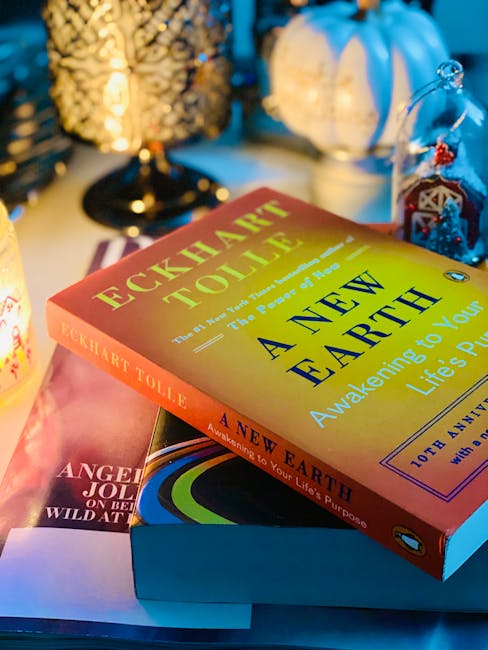
If you want a practical next step, you can also check out Become an Ultimate Master of your life.

 Man’s Search for Meaning Review: Frankl’s Lessons on SufferingGeneral
 The Power of Now Review: Summary, Lessons & Core MessageGeneral
 The Power of Now Review: Lessons from Eckhart Tolle’s GuideGeneral
 Book Review: The Prophet by Kahlil Gibran — Summary & LessonsGeneral
 The Biology of Belief Review: Key Lessons & SummaryGeneral
 Book Review: Breaking the Habit of Being Yourself by Dr. Joe DispenzaGeneral
 Book Review: Breaking the Habit of Being Yourself by Joe DispenzaGeneral
 The Power of Now Book Review: Lessons from Eckhart TolleGeneral
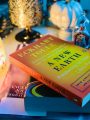 The Power of Now Review: Lessons & Summary of Tolle’s ClassicGeneral
 The Power of Now Review: Summary, Lessons & Why It Still MattersGeneralMan’s Search for Meaning Review: Frankl’s Lessons on SufferingGeneralThe Power of Now Review: Summary, Lessons & Core MessageGeneralThe Power of Now Review: Lessons from Eckhart Tolle’s GuideGeneralBook Review: The Prophet by Kahlil Gibran — Summary & LessonsGeneralThe Biology of Belief Review: Key Lessons & SummaryGeneral
Sign in without leaving this document. You will return here automatically.

The Ultimate Masters
https://www.ultimatemasters.org
Subscribe for one year to access all your favourite downloads
500 / year
Unlimited downloads forever
Unlimited downloads
Subscribe for one to access hundreds of downloads.
50 / month
Subscribe quarterly/per term
75 / month
The Ultimate Masters
https://www.ultimatemasters.org
Continue directly to this store’s secure WooCommerce checkout.
Earn direct and team commission with personal links, campaign creatives, discount coupons and transparent reporting.
0 responses on "Beyond the Stars: The Transformative Power of Book Reviews in Spiritual Growth"