


Annual
Subscribe for one year to access all your favourite downloads
500 / year
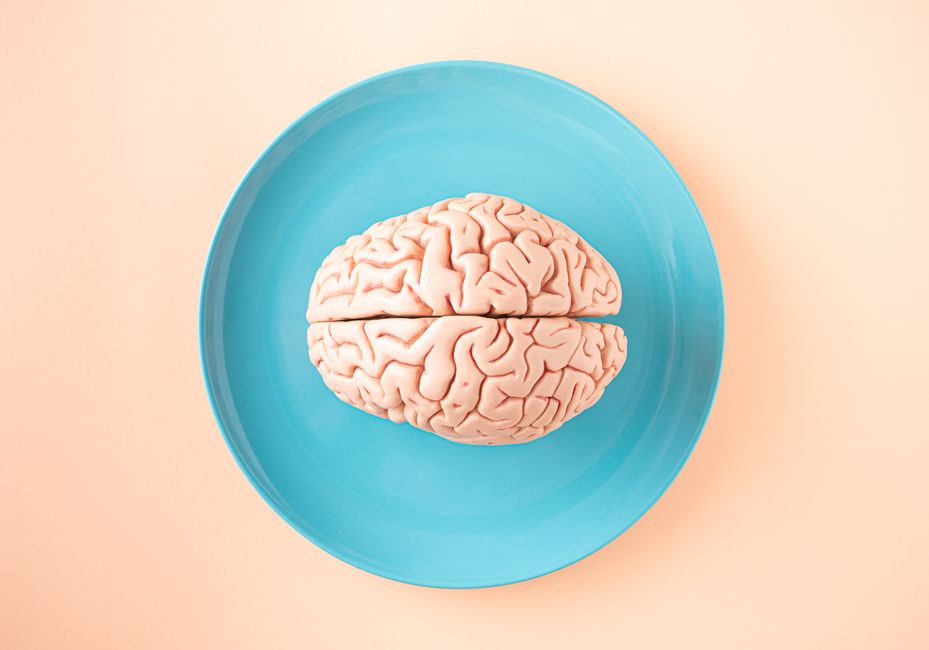
Have you ever wondered why sheer willpower isn’t enough? We set conscious goals for better health, happiness, and success, yet find ourselves reverting to old habits and patterns. According to cellular biologist Dr. Bruce Lipton, this isn’t a failure of character but a feature of our biological design. In his groundbreaking work, The Biology of Belief, he suggests we are not primarily driven by our conscious intentions but by a vast, powerful subconscious programming that shapes our very cells.
Imagine your mind is a computer. Your conscious mind, the part you identify with, is like the user typing on the keyboard. But the subconscious is the operating system, running countless background processes that dictate 95% of your actions and bodily functions. Lipton explains that this core programming is downloaded primarily during our first seven years of life, when our brains are in a receptive, hypnotic state. The beliefs of our parents, our early experiences, and societal messages become the foundational code of our biological reality. A conscious desire for wellness can be constantly sabotaged by a subconscious program that believes, for example, ‘You don’t deserve to be healthy.’ The operating system will always override the user’s command.
For those looking to take the next step, Heal your past, design your future is a resource worth exploring.
For those looking to take the next step, Become an Ultimate Master of your life is a resource worth exploring.
Conventional biology long held that our DNA was a fixed blueprint, a destiny we couldn’t escape. Lipton flips this paradigm on its head. He argues the true ‘brain’ of the cell isn’t the nucleus (which he likens to a data drive of genetic potentials), but the cell membrane. This membrane is covered in receptors that act like antennas, constantly reading the signals from their environment. What is this environment? It is the chemical cocktail in our bloodstream, created directly by our brain’s perception of the world.
This is the core of epigenetics: it’s not the genes that control our fate, but the environment that controls our genes. If you perceive a situation as loving and safe, your brain releases chemicals like oxytocin and dopamine, signaling your cells to grow and thrive. If you perceive that same situation as threatening, your brain floods your body with stress hormones like cortisol, signaling your cells to shut down growth and prepare for danger. Your perception literally tells your DNA which genetic scripts to read.
The most compelling evidence for this mind-body link is found in the placebo and nocebo effects. The placebo effect is not just ‘in your head’; it’s a documented phenomenon where a person’s belief in a cure (like a sugar pill) creates the actual chemistry of healing within their body. Their mind, convinced of a positive outcome, manufactures the precise biological signals to restore health. Conversely, the nocebo effect demonstrates the destructive power of negative belief. A doctor’s pessimistic prognosis or a belief in a negative side effect can create real, debilitating symptoms, even from an inert substance. These are not anomalies; they are perfect illustrations of our biology responding directly to the information provided by our beliefs, not external reality.

The message of Lipton’s work is not one of limitation but of profound empowerment. If we are run by programs, it means we can become the programmer. By understanding that our subconscious beliefs are the architects of our cellular reality, we can begin the work of identifying and rewriting the limiting scripts that hold us back. The challenge lies in accessing this subconscious operating system. Since it doesn’t respond to the logic of the conscious mind, Lipton points to methods that work on its level, such as repetition, hypnosis, and various energy psychology modalities. Ultimately, we are not victims of our heredity but masters of a biology that is constantly listening and responding to the story we tell ourselves.

 The Power of Now Review: Lessons from Eckhart Tolle’s ClassicGeneral
 The Power of Now Review: Lessons on Presence & Ending SufferingGeneral
 Book Review: The Power of Now Summary & Key LessonsGeneral
 The Power of Now Review: Lessons on Presence & Inner PeaceGeneral
 The Self-Help De-Influence Movement: Beyond Toxic PositivityGeneral
 Kryon: Ancient Prophecy & Humanity’s Next Evolutionary StepGeneralThe Power of Now Review: Lessons from Eckhart Tolle’s ClassicGeneralThe Power of Now Review: Lessons on Presence & Ending SufferingGeneralBook Review: The Power of Now Summary & Key LessonsGeneralThe Power of Now Review: Lessons on Presence & Inner PeaceGeneral
Sign in without leaving this document. You will return here automatically.

The Ultimate Masters
https://www.ultimatemasters.org
Subscribe for one year to access all your favourite downloads
500 / year
Unlimited downloads forever
Unlimited downloads
Subscribe for one to access hundreds of downloads.
50 / month
Subscribe quarterly/per term
75 / month
The Ultimate Masters
https://www.ultimatemasters.org
Continue directly to this store’s secure WooCommerce checkout.
Earn direct and team commission with personal links, campaign creatives, discount coupons and transparent reporting.
0 responses on "Biology of Belief Review: Lipton's Lessons on Mind Over Matter"