


Annual
Subscribe for one year to access all your favourite downloads
500 / year
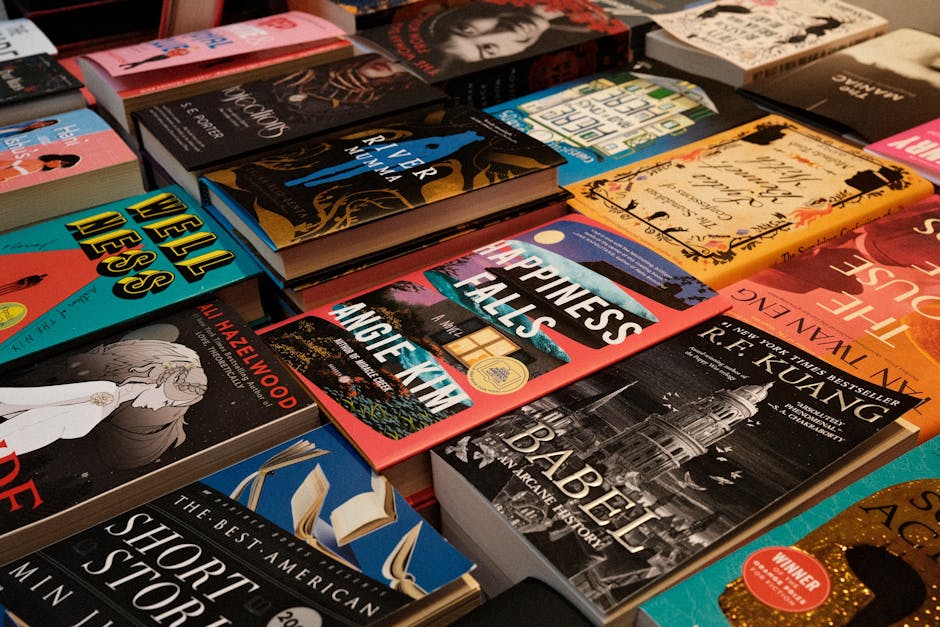

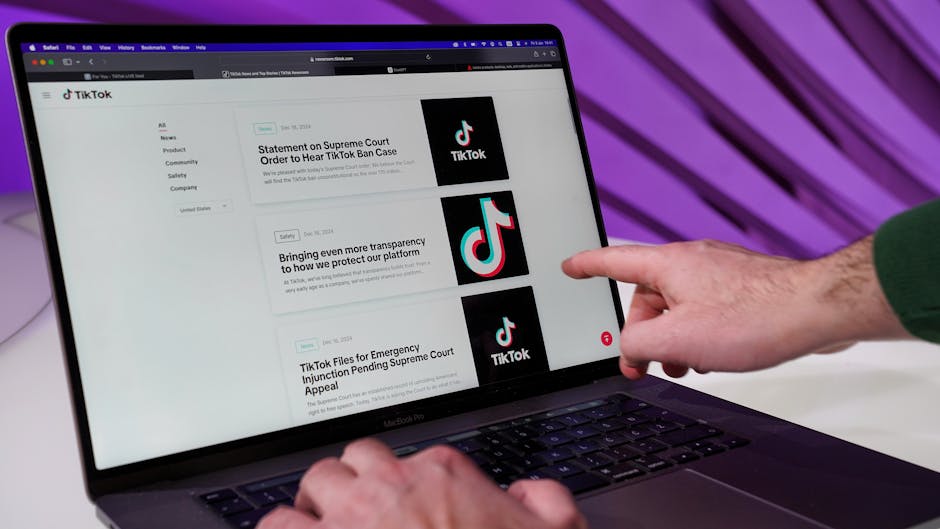
BookTok, the book-centric corner of TikTok, has undeniably exploded in popularity. But is it simply a viral trend, or does it represent a genuine shift in how we discover, discuss, and critique literature? While the platform’s impact is undeniable, a closer examination reveals a complex landscape of both opportunities and potential pitfalls. Let’s move beyond the hype and explore BookTok’s true influence on reading culture.
Initially, BookTok was characterized by short, enthusiastic reviews and emotional reactions to books. Think dramatic sighs, tearful confessions, and declarations of undying love for fictional characters. While these videos still exist, a more sophisticated form of content is emerging. Creators are now delving into deeper analyses, exploring complex themes, and offering nuanced interpretations of literary works. For example, instead of simply saying “This book made me cry!”, a BookToker might analyze the author’s use of symbolism to evoke grief and loss, referencing specific passages and offering their own insightful perspective.
This evolution is fueled by BookTok’s inherent accessibility. Unlike traditional literary criticism, often confined to academic circles and paywalled publications, BookTok is open to anyone with a smartphone and a passion for reading. This democratization of literary discourse has empowered a new generation of readers and critics.
Traditional literary criticism, with its academic jargon and focus on theoretical frameworks, can often feel intimidating and inaccessible to the average reader. BookTok, on the other hand, prioritizes personal connection and emotional resonance. This approach has been both praised and criticized. Some argue that it trivializes serious literary analysis, while others believe it makes literature more engaging and relatable to a wider audience. Imagine comparing a stuffy academic paper on Shakespeare to a BookTok video where a creator performs a dramatic monologue from Hamlet, complete with costumes and sound effects. The latter is arguably more likely to capture the attention of a young audience.
One of BookTok’s most significant contributions has been its ability to amplify the voices of marginalized authors and stories. Books featuring diverse characters, perspectives, and narratives, which may have been overlooked by mainstream media, are finding a dedicated audience on the platform. This increased visibility is not only boosting sales for these authors but also challenging the traditional literary canon and promoting a more inclusive reading experience. Think of the resurgence of interest in classic works by Black authors, sparked by passionate BookTok recommendations and discussions.
The publishing industry is paying close attention to BookTok’s influence. Books that go viral on the platform often experience a significant sales boost, landing authors on bestseller lists and generating considerable revenue. Publishers are now actively engaging with BookTok creators, sending them advance copies of books and collaborating on promotional campaigns. This direct connection between authors, publishers, and readers is transforming the traditional publishing model, giving readers a greater voice in shaping the literary landscape.
While BookTok offers many benefits, it’s crucial to be aware of its potential limitations. The algorithm-driven nature of the platform can create echo chambers, where users are primarily exposed to content that confirms their existing preferences. This can limit exposure to diverse perspectives and reinforce biases. Furthermore, the emphasis on visual appeal and emotional response can sometimes overshadow more in-depth analysis and critical thinking. It’s essential to approach BookTok with a discerning eye and seek out a variety of perspectives to gain a well-rounded understanding of literature. For instance, don’t rely solely on BookTok for book recommendations; explore reviews from reputable sources and engage in discussions with other readers.
BookTok is not a replacement for traditional literary criticism, but rather a complementary force. By combining the accessibility and engagement of BookTok with the rigor and depth of traditional scholarship, we can create a more vibrant and inclusive literary culture. The future of reading likely involves a hybrid approach, where readers draw inspiration from BookTok while also engaging with more traditional forms of literary analysis.

| Advantage | Disadvantage |
|---|---|
| Democratizes literary discourse | Potential for algorithmic bias and echo chambers |
| Amplifies marginalized voices | Risk of prioritizing aesthetics over substance |
If you want a practical next step, you can also check out Heal your past, design your future.
If you want a practical next step, you can also check out Become an Ultimate Master of your life.

 The Power of Now Review: Summary & Key Lessons by Eckhart TolleGeneral
 The Biology of Belief Review: Lessons on Mind Over MatterGeneral
 The Four Agreements Review: Key Lessons & Summary of a Timeless GuideGeneral
 The Power of Now Review: Lessons on Presence & StillnessGeneral
 The Biology of Belief Review: Summary, Lessons & Why It MattersGeneral
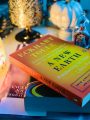 Book Review: The Power of Now by Eckhart Tolle — Summary & LessonsGeneral
 Book Review: The Power of Now by Eckhart Tolle — Summary & LessonsGeneral
 Book Review: The Power of Now by Eckhart Tolle – Summary & LessonsGeneral
 The Power of Now Review: Key Lessons on Presence & PeaceGeneral
 The Power of Now Review: Lessons & Summary for Spiritual SeekersGeneralThe Power of Now Review: Summary & Key Lessons by Eckhart TolleGeneralThe Biology of Belief Review: Lessons on Mind Over MatterGeneralThe Four Agreements Review: Key Lessons & Summary of a Timeless GuideGeneralThe Power of Now Review: Lessons on Presence & StillnessGeneralThe Biology of Belief Review: Summary, Lessons & Why It MattersGeneral
Sign in without leaving this document. You will return here automatically.

The Ultimate Masters
https://www.ultimatemasters.org
Subscribe for one year to access all your favourite downloads
500 / year
Unlimited downloads forever
Unlimited downloads
Subscribe for one to access hundreds of downloads.
50 / month
Subscribe quarterly/per term
75 / month
The Ultimate Masters
https://www.ultimatemasters.org
Continue directly to this store’s secure WooCommerce checkout.
Earn direct and team commission with personal links, campaign creatives, discount coupons and transparent reporting.
0 responses on "BookTok's Unexpected Power: How a TikTok Trend is Reshaping Literary Criticism"