




Annual
Subscribe for one year to access all your favourite downloads
500 / year
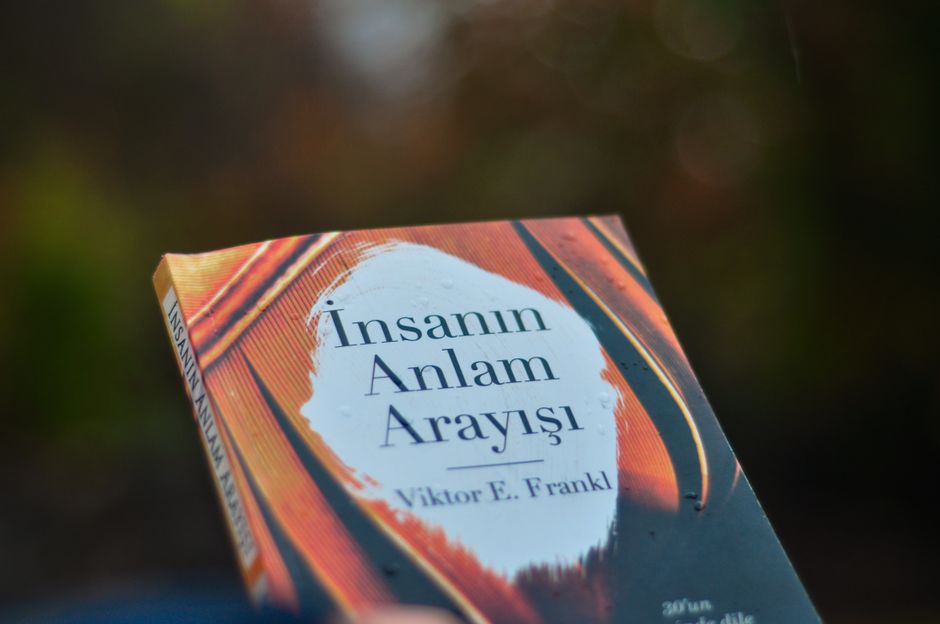

In a world of unprecedented comfort and endless distraction, a quiet crisis pervades modern life: a feeling of profound emptiness. Psychiatrist Viktor Frankl identified this state as the “existential vacuum,” a void of purpose that leads to anxiety, apathy, and depression. What makes Frankl’s diagnosis so powerful is that he didn’t develop it in a quiet office but validated it within the horrific walls of Nazi concentration camps. His seminal work, Man’s Search for Meaning, is not merely a story of survival but a practical blueprint for building a life of purpose, even when faced with unimaginable suffering.
Frankl’s theories were tested in the most extreme laboratory on Earth. Stripped of their possessions, identity, and dignity, prisoners in Auschwitz and Dachau were left with nothing. Yet, Frankl observed a crucial difference between those who succumbed and those who endured. It wasn’t physical strength that determined survival, but the presence of a future-oriented goal. Whether it was the hope of reuniting with a child, a scientific manuscript to finish, or a deep-seated faith, having a “why” to live for enabled them to bear almost any “how.” This led to his foundational insight: our final freedom, which can never be taken away, is the power to choose our response to any situation.
Taking the next step becomes straightforward when you have the right support — Heal your past, design your future is worth exploring.
Taking the next step becomes straightforward when you have the right support — Become an Ultimate Master of your life is worth exploring.

Frankl’s Logotherapy (“meaning therapy”) is not an abstract philosophy but an active approach to life. He argued that meaning isn’t something to be passively discovered; it’s something we build through our actions and attitudes. He outlined three primary pathways to do so.
The most direct route to meaning is through creation and contribution. This involves dedicating yourself to a task, a cause, or a creative work that is larger than yourself. It’s the purpose found by an artist lost in their craft, a parent raising a child, or a volunteer dedicating their time to a community garden. By giving something unique to the world, we receive a sense of indispensable purpose in return.
Meaning can also be found in moments of profound experience and connection. This is the path of appreciation—of loving another person in their uniqueness, of being moved to tears by a piece of music, or of standing in awe before a sunset. These encounters remind us of the goodness, beauty, and love available in the world, providing powerful reasons to persevere through hardship.
Perhaps Frankl’s most radical idea is that meaning can be forged even in the face of unavoidable suffering. When confronted with a fate we cannot change—such as a debilitating illness or a tragic loss—we still have the freedom to choose our attitude. By facing adversity with courage, dignity, and compassion for others, we can transform a personal tragedy into a human triumph. This is where suffering ceases to be mere suffering and becomes a profound achievement.

Viktor Frankl’s legacy is a powerful counter-narrative to the modern pursuit of happiness for its own sake. He teaches that a meaningful life is not necessarily a comfortable one, but it is a resilient one. Man’s Search for Meaning demonstrates that purpose is not a luxury but a psychological necessity. By actively engaging in contribution, connection, and courageous confrontation, we can fill our own existential vacuum and build a life that is not only bearable but deeply worthwhile.

 Book Review: The Power of Now by Eckhart Tolle — Summary & LessonsGeneral
 The Power of Now Review: Lessons from Eckhart Tolle’s ClassicGeneral
 The Power of Now Review: Lessons on Presence & The Pain-BodyGeneral
 The Biology of Belief Review: Lipton’s Key Lessons & SummaryGeneral
 The Celestine Prophecy Review: Lessons & Why It Still MattersGeneral
 The Body Keeps the Score Review: Lessons on Trauma & HealingGeneral
 Man’s Search for Meaning Review: Frankl’s Lessons on SufferingGeneral
 Man’s Search for Meaning Review: Frankl’s Lessons on SufferingGeneral
 Becoming Supernatural Review: Key Lessons from Joe DispenzaGeneral
 Book Review: Breaking the Habit of Being Yourself by Joe DispenzaGeneralBook Review: The Power of Now by Eckhart Tolle — Summary & LessonsGeneralThe Power of Now Review: Lessons from Eckhart Tolle’s ClassicGeneralThe Power of Now Review: Lessons on Presence & The Pain-BodyGeneralThe Biology of Belief Review: Lipton’s Key Lessons & SummaryGeneralThe Celestine Prophecy Review: Lessons & Why It Still MattersGeneral
Sign in without leaving this document. You will return here automatically.

The Ultimate Masters
https://www.ultimatemasters.org
Subscribe for one year to access all your favourite downloads
500 / year
Unlimited downloads forever
Unlimited downloads
Subscribe for one to access hundreds of downloads.
50 / month
Subscribe quarterly/per term
75 / month
The Ultimate Masters
https://www.ultimatemasters.org
Continue directly to this store’s secure WooCommerce checkout.
Earn direct and team commission with personal links, campaign creatives, discount coupons and transparent reporting.
0 responses on "Man's Search for Meaning Review: Frankl's Lessons on Suffering"