


Annual
Subscribe for one year to access all your favourite downloads
500 / year

For generations, we’ve been taught to see our DNA as an unchangeable blueprint, a fixed architectural plan that dictates everything from our eye color to our predisposition for disease. This concept, known as genetic determinism, suggested our lives were largely pre-written. However, the work of cellular biologist Dr. Bruce H. Lipton powerfully refutes this. His research illustrates that our genes are more like a vast library of potential programs than a rigid script. The true director is not the gene itself, but our perception of the world around us. This revolutionary field, epigenetics, shows that our beliefs and attitudes translate into chemical signals in our bodies. These signals act as the master controller, selecting which genetic programs to run. A perception of a threatening environment can activate genes for inflammation and stress, while a perception of a safe, loving environment can activate genes for growth and repair.
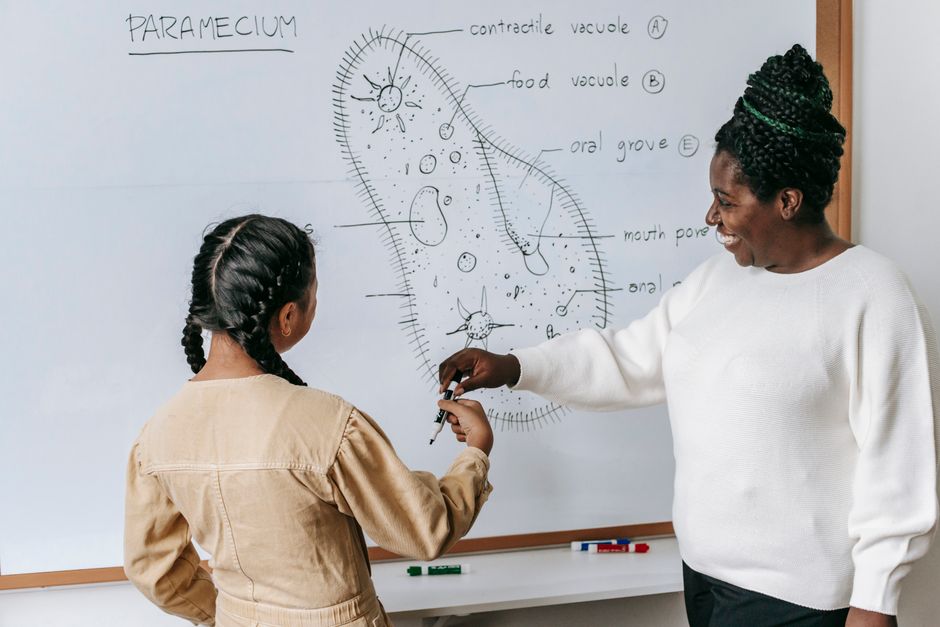
In the traditional model of the cell, the nucleus was seen as the undisputed ‘brain,’ issuing commands from its DNA-filled headquarters. Lipton proposes a radical shift in this organizational chart. He argues that the true intelligence of the cell resides in its outer layer: the cell membrane. If the nucleus is the hard drive containing all the data, the membrane is the dynamic user interface, complete with a keyboard and processor. Studded with thousands of receptor proteins, the membrane constantly scans the external environment—the bloodstream—for information. These receptors interpret the signals from our hormones, neurotransmitters, and emotions, then instruct the cell’s machinery, including the genes, on how to respond. This makes the membrane the cell’s true brain, a sentient gatekeeper that translates belief into biology.
Taking the next step becomes straightforward when you have the right support — Heal your past, design your future is worth exploring.
Taking the next step becomes straightforward when you have the right support — Become an Ultimate Master of your life is worth exploring.
If our minds are so powerful, why do we struggle to change? The answer lies in the division of labor between our two minds. Our conscious mind, the seat of our wishes and creative thoughts, is only at the helm about 5% of the time. The other 95% is run by the subconscious, a powerful repository of learned behaviors and beliefs, most of which were installed before the age of seven. During these formative years, a child’s brain operates in a hypnotic, receptive state, downloading survival programs by observing parents and society. These programs become our default settings. So while your conscious mind (the 5%) may decide to be healthy and successful, your subconscious (the 95%) might be running an old program of unworthiness or fear learned in childhood. This internal conflict is why willpower alone often fails; we are fighting against a deeply embedded and far more powerful automated system.
Understanding this framework moves us from being passive victims of our biology to active architects of our health and life. The principles of epigenetics provide a scientific explanation for phenomena once dismissed as anecdotal.
The placebo effect is a stunning demonstration of this mind-body connection. When a person heals after taking an inert sugar pill, it’s because their powerful belief in the treatment sent healing chemistry cascading through their body. Their perception of healing activated the body’s own internal pharmacy, switching on the genetic programs for recovery. This is not ‘mind over matter,’ but the mind and matter working in perfect harmony.
Lipton points to the ‘honeymoon effect’ as the ultimate example of our creative potential. When people fall in love, they often experience vibrant health and boundless joy. This isn’t magic; it’s biology. In this state, they are living fully in the present moment, driven by their conscious desires and wishes. This mindfulness keeps the limiting, pre-programmed autopilot of the subconscious mind in the background. The honeymoon state reveals what is possible when our conscious, creative mind is in the driver’s seat, proving that we have the innate ability to create a life of vitality by mastering our perceptions.

 Book Review: The Power of Now by Eckhart Tolle — Summary & LessonsGeneral
 The Power of Now Review: Lessons from Eckhart Tolle’s ClassicGeneral
 The Power of Now Review: Lessons on Presence & The Pain-BodyGeneral
 The Biology of Belief Review: Lipton’s Key Lessons & SummaryGeneral
 The Celestine Prophecy Review: Lessons & Why It Still MattersGeneral
 The Body Keeps the Score Review: Lessons on Trauma & HealingGeneral
 Man’s Search for Meaning Review: Frankl’s Lessons on SufferingGeneral
 Man’s Search for Meaning Review: Frankl’s Lessons on SufferingGeneral
 Becoming Supernatural Review: Key Lessons from Joe DispenzaGeneral
 Book Review: Breaking the Habit of Being Yourself by Joe DispenzaGeneralBook Review: The Power of Now by Eckhart Tolle — Summary & LessonsGeneralThe Power of Now Review: Lessons from Eckhart Tolle’s ClassicGeneralThe Power of Now Review: Lessons on Presence & The Pain-BodyGeneralThe Biology of Belief Review: Lipton’s Key Lessons & SummaryGeneralThe Celestine Prophecy Review: Lessons & Why It Still MattersGeneral
Sign in without leaving this document. You will return here automatically.

The Ultimate Masters
https://www.ultimatemasters.org
Subscribe for one year to access all your favourite downloads
500 / year
Unlimited downloads forever
Unlimited downloads
Subscribe for one to access hundreds of downloads.
50 / month
Subscribe quarterly/per term
75 / month
The Ultimate Masters
https://www.ultimatemasters.org
Continue directly to this store’s secure WooCommerce checkout.
Earn direct and team commission with personal links, campaign creatives, discount coupons and transparent reporting.
0 responses on "The Biology of Belief Review: Lipton's Key Lessons & Summary"