




Annual
Subscribe for one year to access all your favourite downloads
500 / year
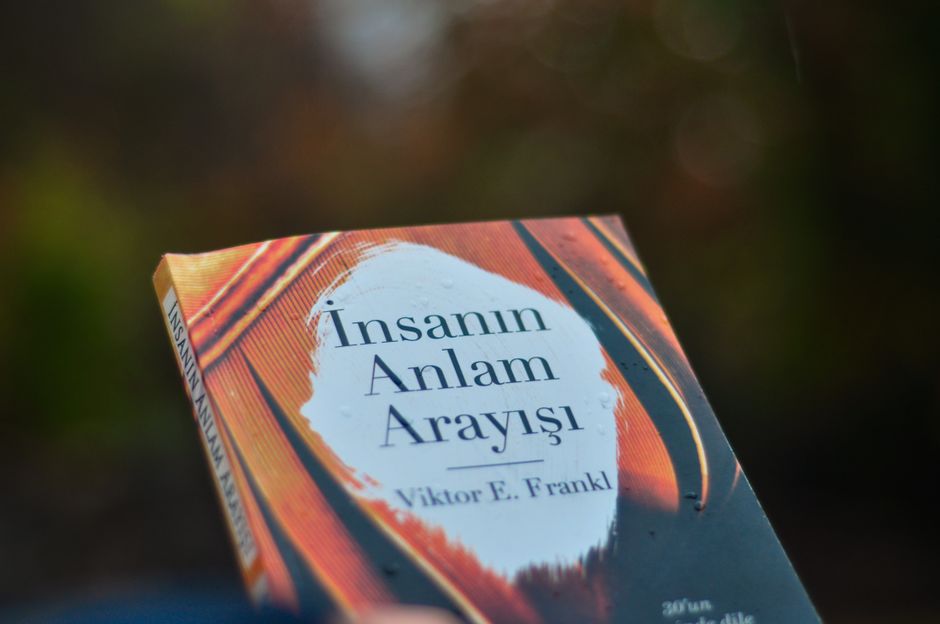

In any crisis, personal or professional, we often feel powerless, trapped by circumstances beyond our control. Yet, Viktor Frankl, a psychiatrist who survived the Holocaust, offered a radical perspective forged in the most extreme conditions imaginable. He argued that no matter what external pressures we face, one inviolable freedom always remains: the power to choose our attitude. This internal choice is the bedrock of human resilience. Frankl observed that in the concentration camps, the survivors were often not the physically strongest, but those who could maintain a sense of inner liberty and dignity. This principle teaches us that true strength isn’t the absence of hardship, but the conscious decision to define ourselves in spite of it.
Taking the next step becomes straightforward when you have the right support — Heal your past, design your future is worth exploring.
Taking the next step becomes straightforward when you have the right support — Become an Ultimate Master of your life is worth exploring.
According to Frankl, resilience is not a matter of grit alone; it requires fuel. That fuel is meaning. He proposed that a clear sense of purpose is the primary motivational force in life, a concept he termed the “Will to Meaning.” This contrasts sharply with other psychological theories that prioritize the pursuit of pleasure or power. When our will to meaning is fulfilled, we can endure almost any hardship. Frankl’s Logotherapy outlines three concrete pathways to discovering this purpose in our daily lives.

Frankl warned of a condition he called the “existential vacuum,” a state of inner emptiness characterized by boredom, apathy, and a sense that life is pointless. In a world of endless distraction and fleeting pleasures, this condition is more prevalent than ever. It manifests as chronic dissatisfaction, burnout, or a constant search for the next thrill. Logotherapy provides the antidote. By actively engaging in the search for our unique meaning—through our work, our love, and our courage—we fill that void. The search itself provides the structure and direction that protects against despair. It shifts the fundamental question from “What do I want from life?” to a more empowering one: “What does life ask of me?”
Man’s Search for Meaning is more than a historical memoir; it is a timeless blueprint for building an unshakable core. The lessons learned in the depths of human suffering are universally applicable to the challenges we all face. Whether navigating career uncertainty, personal loss, or existential doubt, Frankl’s wisdom provides a powerful framework. It reminds us that while we cannot always control our circumstances, we can always find purpose within them. By choosing our attitude, actively seeking meaning, and facing adversity with courage, we can build a life of profound resilience and significance.

 Book Review: The Power of Now by Eckhart Tolle — Summary & LessonsGeneral
 The Power of Now Review: Lessons from Eckhart Tolle’s ClassicGeneral
 The Power of Now Review: Lessons on Presence & The Pain-BodyGeneral
 The Biology of Belief Review: Lipton’s Key Lessons & SummaryGeneral
 The Celestine Prophecy Review: Lessons & Why It Still MattersGeneral
 The Body Keeps the Score Review: Lessons on Trauma & HealingGeneral
 Man’s Search for Meaning Review: Frankl’s Lessons on SufferingGeneral
 Man’s Search for Meaning Review: Frankl’s Lessons on SufferingGeneral
 Becoming Supernatural Review: Key Lessons from Joe DispenzaGeneral
 Book Review: Breaking the Habit of Being Yourself by Joe DispenzaGeneralBook Review: The Power of Now by Eckhart Tolle — Summary & LessonsGeneralThe Power of Now Review: Lessons from Eckhart Tolle’s ClassicGeneralThe Power of Now Review: Lessons on Presence & The Pain-BodyGeneralThe Biology of Belief Review: Lipton’s Key Lessons & SummaryGeneralThe Celestine Prophecy Review: Lessons & Why It Still MattersGeneral
Sign in without leaving this document. You will return here automatically.

The Ultimate Masters
https://www.ultimatemasters.org
Subscribe for one year to access all your favourite downloads
500 / year
Unlimited downloads forever
Unlimited downloads
Subscribe for one to access hundreds of downloads.
50 / month
Subscribe quarterly/per term
75 / month
The Ultimate Masters
https://www.ultimatemasters.org
Continue directly to this store’s secure WooCommerce checkout.
Earn direct and team commission with personal links, campaign creatives, discount coupons and transparent reporting.
0 responses on "Man's Search for Meaning Review: Frankl's Lessons on Suffering"