




Annual
Subscribe for one year to access all your favourite downloads
500 / year



In an era where technology often overshadows human interaction, compassionate leadership stands out as a vital trait. Compassion enables leaders to grasp the emotional landscapes of their teams, fostering an atmosphere where individuals feel heard and appreciated. This quality is essential in building a collaborative workplace where everyone feels supported.
Effective leadership hinges on the ability to foresee potential challenges and opportunities. Strategic foresight is not just about planning; it involves inspiring your team with a vision that resonates on a personal level. When leaders communicate their strategic goals, they align their team’s efforts towards a common purpose, enhancing motivation and engagement.
In a world characterized by constant change, flexibility is crucial. Leaders must be willing to adapt their approaches to meet evolving circumstances. This agility not only demonstrates resilience but also encourages team members to embrace innovation and new methodologies, fostering a culture of continuous improvement.
Open communication is essential for building trust within a team. Leaders who encourage dialogue and actively seek feedback create a culture of transparency. This openness allows team members to express their thoughts freely, leading to enhanced collaboration and problem-solving.
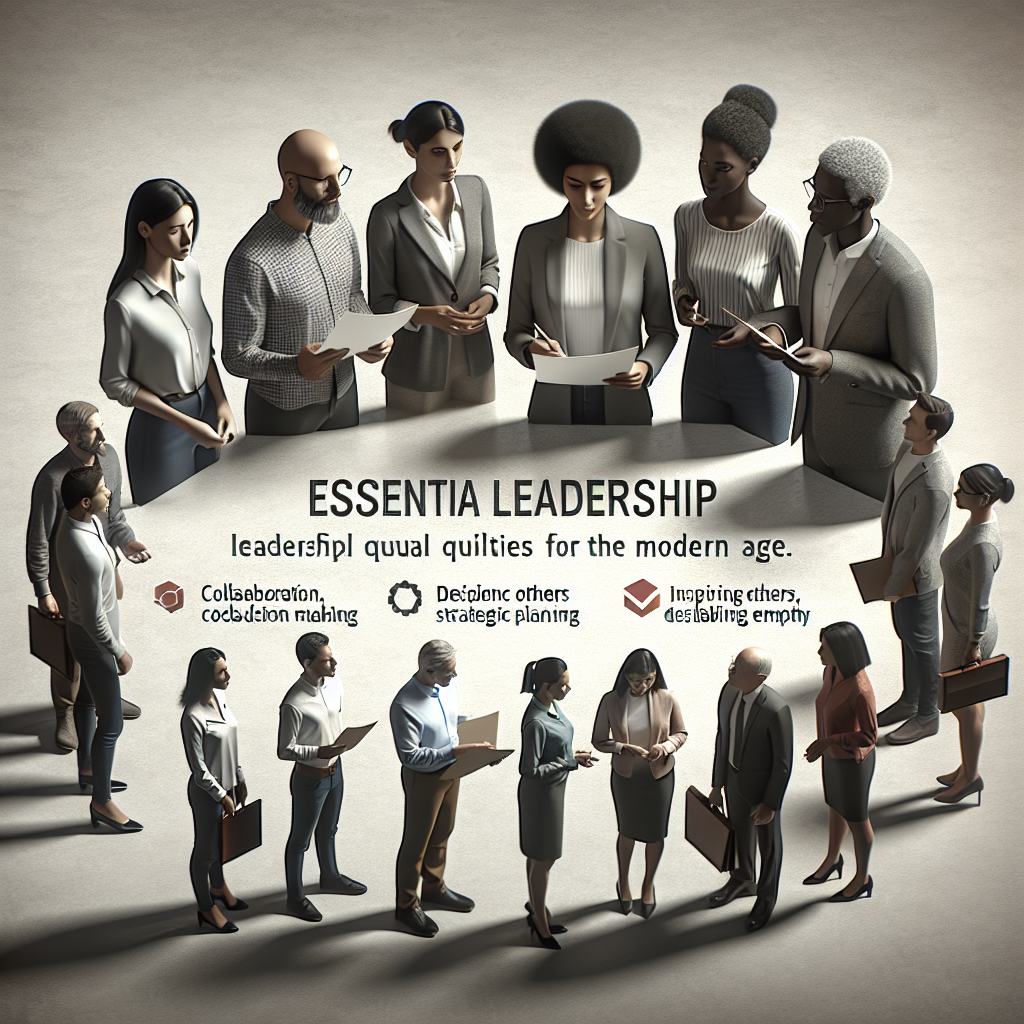
Exceptional leaders recognize the importance of nurturing their team’s potential. By providing opportunities for skill enhancement and personal development, they empower individuals to reach their goals. This investment not only benefits the employees but also strengthens the overall capability of the organization.
Interpersonal skills are fundamental for successful leadership. Leaders who prioritize developing these skills can effectively manage relationships and navigate conflicts. This emotional acuity leads to a cohesive team environment, where collaboration flourishes.
Decisiveness is a hallmark of effective leadership. Great leaders skillfully balance analytical thinking with intuitive decision-making, ensuring choices are aligned with their vision while being responsive to team dynamics.
The influence of leadership on organizational culture cannot be overstated. Leaders who cultivate a thriving culture promote creativity and innovation. By celebrating both individual and collective achievements, they instill a sense of pride and commitment among team members.
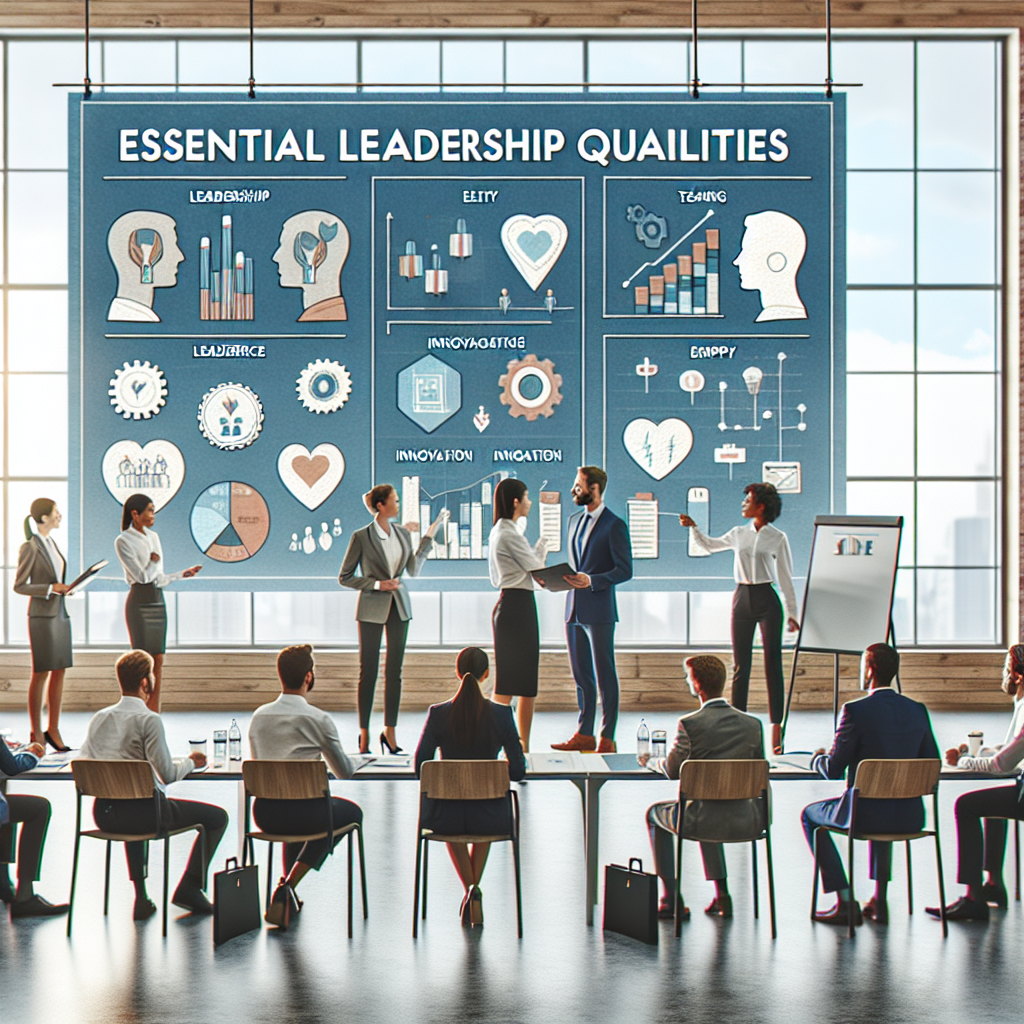
Leading by example is a powerful way to instill values within a team. When leaders embody the principles they advocate, they set a benchmark for behavior that inspires others to emulate. This authenticity fosters trust and strengthens the leader’s influence.
Encouraging diversity and inclusion is crucial for fostering innovation. Leaders should strive to create an environment where varied viewpoints are welcomed, enhancing creativity and leading to more comprehensive solutions to challenges.
The essence of outstanding leadership goes beyond traditional management techniques. It encompasses compassion, strategic foresight, flexibility, and a dedication to empowering individuals. By embracing these traits, leaders can not only achieve their goals but also leave a significant impact that inspires future leaders.
If you want a practical next step, you can also check out Heal your past, design your future.
If you want a practical next step, you can also check out Become an Ultimate Master of your life.

 The Emotional Engine of BookTok: How Tears Built an EmpireGeneral
 The BookTok Effect: Why Crying on Camera Sells More Books Than a ReviewGeneral
 The Soul of BookTok: Identity, Emotion, and CommunityGeneral
 BookTok’s Power: How It Rewrites Publishing & Reader PsychologyGeneral
 The Emotional Engine of BookTok: Why We Cry & What It SellsGeneral
 The Emotional Engine of BookTok: Why Crying Sells BooksGeneral
 The BookTok Effect: How TikTok Redefined Reading CultureGeneral
 The Emotional Engine of BookTok: Why We Cry, Buy, and ConnectGeneral
 The Emotional Algorithm: A BookTok Review of Our Inner WorldsGeneral
 BookTok: How a TikTok Hashtag Rewrote the Rules of PublishingGeneralThe Emotional Engine of BookTok: How Tears Built an EmpireGeneralThe BookTok Effect: Why Crying on Camera Sells More Books Than a ReviewGeneralThe Soul of BookTok: Identity, Emotion, and CommunityGeneralBookTok’s Power: How It Rewrites Publishing & Reader PsychologyGeneralThe Emotional Engine of BookTok: Why We Cry & What It SellsGeneral
Sign in without leaving this document. You will return here automatically.

The Ultimate Masters
https://www.ultimatemasters.org
Subscribe for one year to access all your favourite downloads
500 / year
Unlimited downloads forever
Unlimited downloads
Subscribe for one to access hundreds of downloads.
50 / month
Subscribe quarterly/per term
75 / month
The Ultimate Masters
https://www.ultimatemasters.org
Continue directly to this store’s secure WooCommerce checkout.
Earn direct and team commission with personal links, campaign creatives, discount coupons and transparent reporting.
0 responses on "Essential Leadership Qualities for the Modern Age"