




Annual
Subscribe for one year to access all your favourite downloads
500 / year
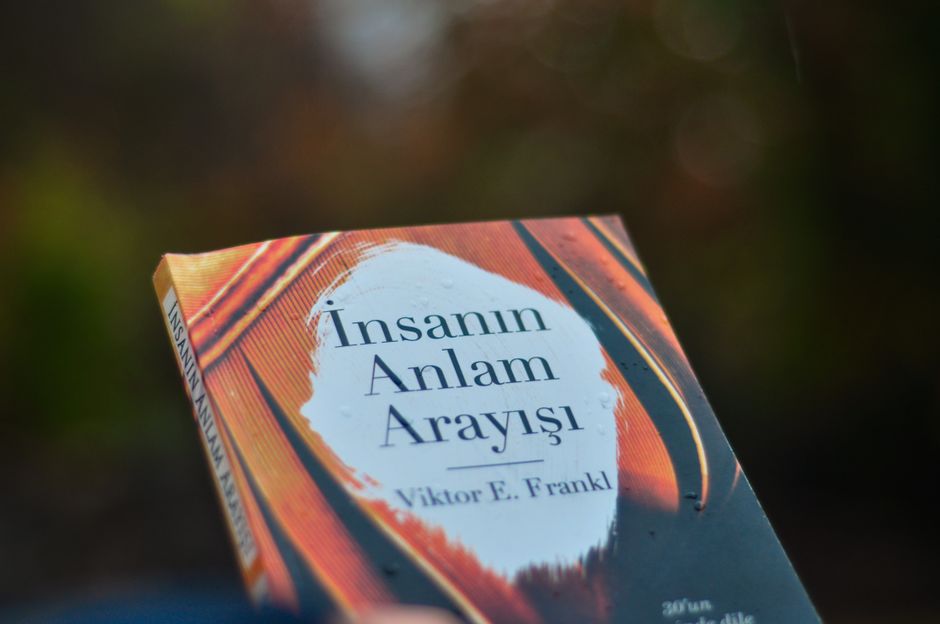

In an age of unprecedented information and opportunity, a quiet epidemic of aimlessness persists. We scroll through endless feeds, pursue fleeting pleasures, and often find ourselves asking, “Is this all there is?” This feeling of emptiness, what psychiatrist and Holocaust survivor Viktor Frankl termed the “existential vacuum,” is not a new phenomenon, but it has found fertile ground in modern life. Frankl’s seminal work, Man’s Search for Meaning, born from the unimaginable horrors of Nazi concentration camps, offers a powerful and practical antidote—a roadmap for building a life of purpose, even when circumstances seem bleak.
Frankl’s most profound discovery was not about suffering, but about the human response to it. Stripped of his identity, family, and possessions, he realized there was one thing the guards could never take: his inner freedom to choose his attitude. This is the bedrock of his philosophy. In our own lives, we may face career setbacks, personal betrayals, or periods of intense uncertainty. While we cannot always control these events, we possess the ultimate power to decide how they will define us. Will a layoff be a crushing defeat or an opportunity for reinvention? Will a difficult diagnosis lead to despair or a deeper appreciation for life? This internal choice is the source of our dignity and resilience.
Taking the next step becomes straightforward when you have the right support — Become an Ultimate Master of your life is worth exploring.
Taking the next step becomes straightforward when you have the right support — Heal your past, design your future is worth exploring.

Frankl argued that meaning is not something we stumble upon, but something we actively build. He identified three primary avenues for this construction, each representing a different way to engage with the world.
Frankl believed that the primary drive in life is not for pleasure or power, but for meaning. When this “will to meaning” is unfulfilled, we fall into the existential vacuum, which manifests as boredom, apathy, and a sense of futility. His therapeutic approach, Logotherapy, is essentially a call to action. It challenges us to stop asking what we expect from life and instead ask what life expects from us. Each person has a unique vocation or mission, and by identifying and pursuing it, we fill the void with purpose. This transforms life from a series of random events into a chain of meaningful responsibilities.
Ultimately, Man’s Search for Meaning is not a guide to achieving happiness—a state Frankl saw as a byproduct, not a goal. Instead, it is a blueprint for building resilience. It teaches that meaning is available in every moment, through our actions, our love, and our suffering. By consciously choosing our response and actively seeking purpose, we can construct a life that is not only bearable but deeply worthwhile, regardless of the challenges we face. It’s a timeless lesson on turning survival into a life of profound significance.

 Man’s Search for Meaning Review: Frankl’s Lessons on SufferingGeneral
 The Four Agreements Review: Lessons, Summary & Core MessageGeneral
 The Untethered Soul Review: Lessons on Silencing Your Inner CriticGeneral
 Man’s Search for Meaning Review: Frankl’s Lessons on SufferingGeneral
 Book Review: You Are the Placebo by Dr. Joe Dispenza – Summary & LessonsGeneral
 The Power of Now Book Review: Lessons on Presence & StillnessGeneral
 The Biology of Belief Review: Lipton’s Key Lessons & SummaryGeneral
 Book Review: The Power of Now by Eckhart Tolle — Summary & LessonsGeneral
 The Power of Now Review: Lessons & Summary by Eckhart TolleGeneral
 The Power of Now Review: Lessons for the Modern MindGeneralMan’s Search for Meaning Review: Frankl’s Lessons on SufferingGeneralThe Four Agreements Review: Lessons, Summary & Core MessageGeneralThe Untethered Soul Review: Lessons on Silencing Your Inner CriticGeneralMan’s Search for Meaning Review: Frankl’s Lessons on SufferingGeneralBook Review: You Are the Placebo by Dr. Joe Dispenza – Summary & LessonsGeneral
Sign in without leaving this document. You will return here automatically.

The Ultimate Masters
https://www.ultimatemasters.org
Subscribe for one year to access all your favourite downloads
500 / year
Unlimited downloads forever
Unlimited downloads
Subscribe for one to access hundreds of downloads.
50 / month
Subscribe quarterly/per term
75 / month
The Ultimate Masters
https://www.ultimatemasters.org
Continue directly to this store’s secure WooCommerce checkout.
Earn direct and team commission with personal links, campaign creatives, discount coupons and transparent reporting.
1 responses on "Man's Search for Meaning Review: Frankl's Lessons on Suffering"