



Annual
Subscribe for one year to access all your favourite downloads
500 / year
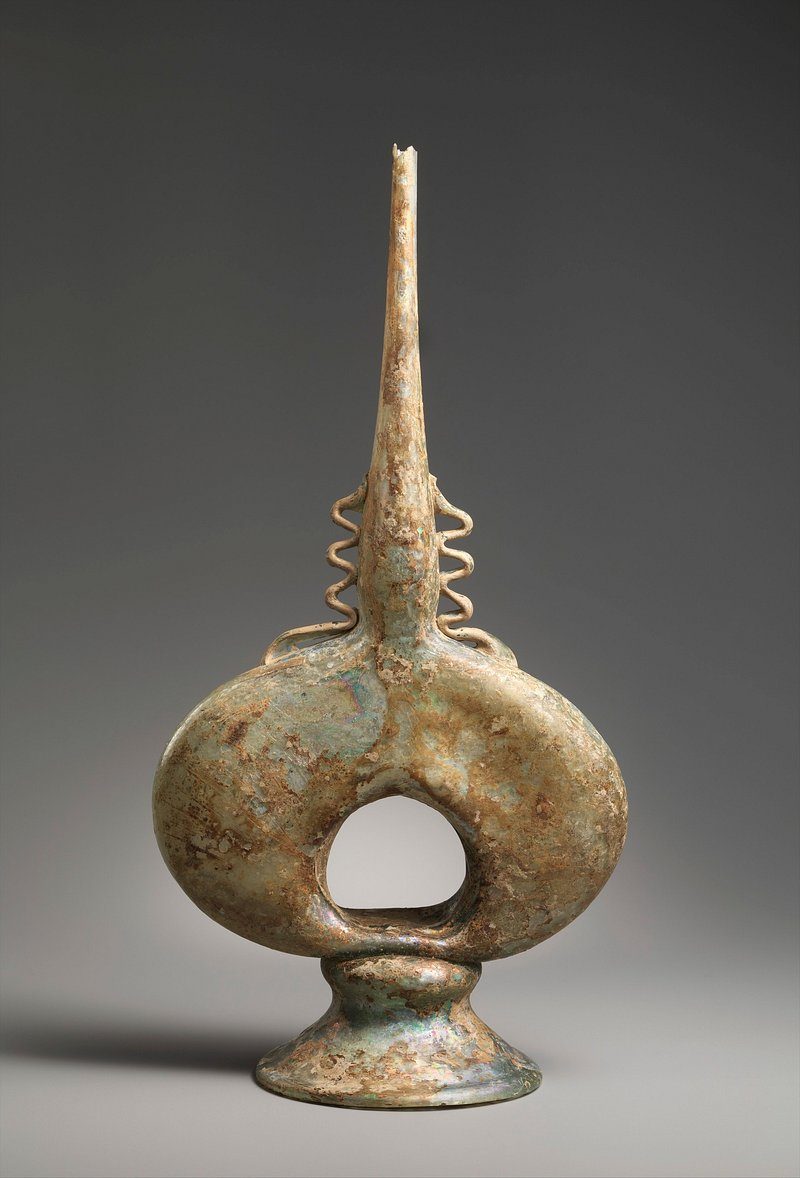

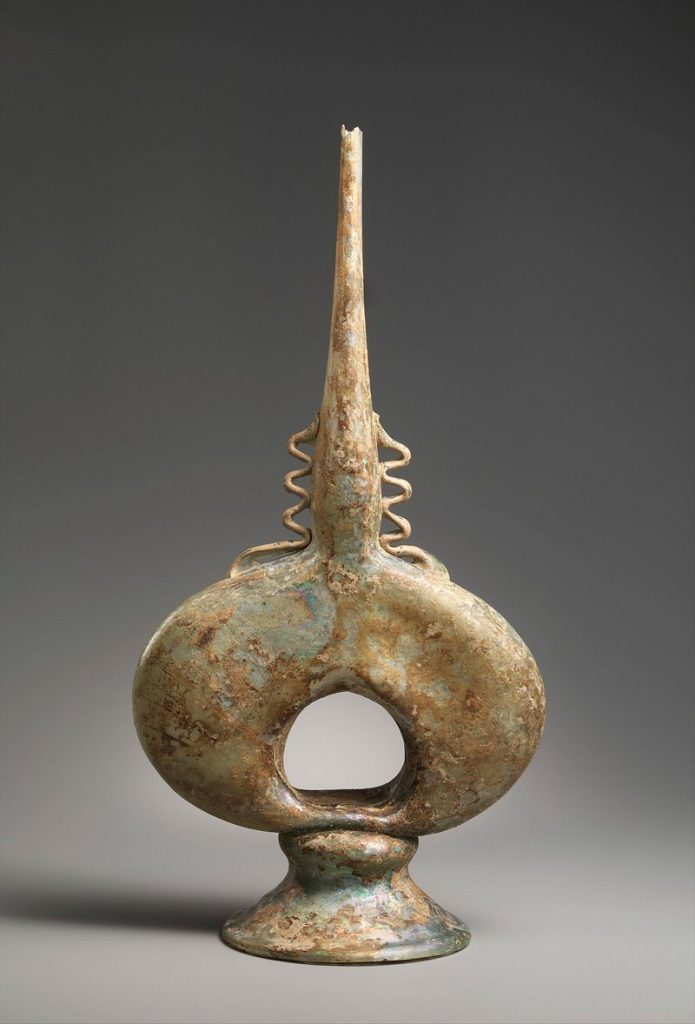
In the 13th century, within the bustling city of Konya, lived a man who would become a timeless architect of the human soul’s bridge to the divine. Jalāl al-Dīn Muḥammad Rūmī (1207–1273) was not merely a poet; he was a spiritual alchemist. His life demonstrates a profound transformation, turning the lead of conventional piety and devastating personal loss into the gold of ecstatic union with the Beloved. His legacy is not a collection of antiquated verses but a living blueprint for converting the raw materials of human life—love, grief, and longing—into a profound spiritual awakening.
Before the poetry, there was the scholar. Raised by a distinguished theologian, Bahā ud-Dīn Walad, Rumi was a pillar of religious orthodoxy. After his family’s journey from Khorasan to escape the shadow of Mongol expansion, he established himself in Konya as a respected jurist and teacher, his world defined by texts, laws, and sermons. His path was clear, his reputation secure. But this structured existence was destined to be shattered. In 1244, a wandering mystic named Shams of Tabriz entered Rumi’s life. Shams was not a teacher in the traditional sense; he was a spiritual mirror, a divine fire that consumed Rumi’s bookish knowledge and intellectual pride. Their bond was an explosive meeting of souls that pushed Rumi beyond the limits of the mind and into the boundless territory of the heart. Shams taught him that the divine is not found in books, but tasted through direct, experiential love.
Taking the next step becomes straightforward when you have the right support — Become an Ultimate Master of your life is worth exploring.
Taking the next step becomes straightforward when you have the right support — Heal your past, design your future is worth exploring.
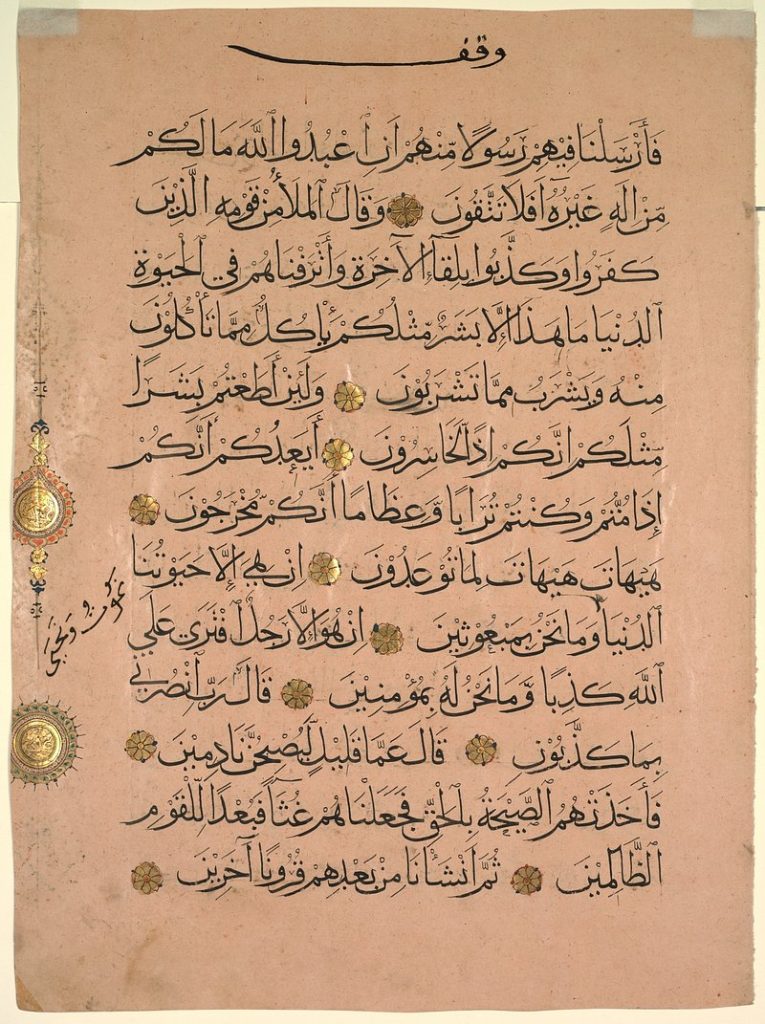
This transformative friendship was tragically brief. The intense connection between Rumi and Shams bred jealousy among Rumi’s followers, leading to Shams’s mysterious and abrupt disappearance. The loss plunged Rumi into an abyss of grief. Yet, it was from this profound darkness that the poet was truly born. Rumi did not simply mourn; he channeled his desperate longing for his friend into a torrent of ecstatic poetry. This outpouring became his masterpiece, the Divan-e Shams-e Tabrizi (The Works of Shams of Tabriz). In these thousands of passionate odes, Rumi’s personal sorrow for his lost friend melts into a universal cry of the soul for its divine source. He teaches us a vital lesson: profound absence can carve a space within us that only the divine can fill, and our deepest wounds can become the source of our most beautiful art.
If the Divan was the fiery expression of Rumi’s heart, his other magnum opus, the Masnavi, was the calm, deep ocean of his wisdom. This six-volume epic is a sprawling tapestry of fables, parables, and Quranic insights designed to guide the spiritual seeker. Its famous opening lines, telling of a reed flute lamenting its separation from the reed bed, encapsulate Rumi’s entire philosophy. We are all, he suggests, like that reed flute: hollowed out by our separation from the divine, yet capable of producing beautiful music from the breath of God passing through us. The Masnavi serves as a comprehensive map for the soul’s journey home, teaching the seeker to polish the heart’s mirror until it reflects nothing but the unity of all existence (Wahdat al-wujud), where the lover and the Beloved are one.
Rumi’s teachings were not confined to the page; they were meant to be embodied. The iconic whirling dance, or Sama, practiced by the Mevlevi Order founded by his followers, is a physical manifestation of his spiritual path. It is a profound meditative practice where the dervish, with one hand pointed to the heavens to receive divine grace and the other to the earth to bestow it, spins in orbit like a planet around the sun. This dance is a living metaphor for Rumi’s core message: to find stability in motion, to abandon the static, rigid ego, and to participate in the cosmic dance of creation. It is a powerful demonstration of how to surrender the self and merge with the universal rhythm of love.
Centuries later, Rumi has become one of the most widely read poets on the planet. His endurance lies in his ability to articulate the universal language of the heart. In a world often fractured by dogma and division, Rumi’s message of Ishq—divine, all-encompassing Love—as the fundamental reality offers a path to unity that transcends cultural and religious boundaries. He reminds us that the quest for God is not an external pilgrimage, but an inward journey to discover the divine spark that resides within us all.
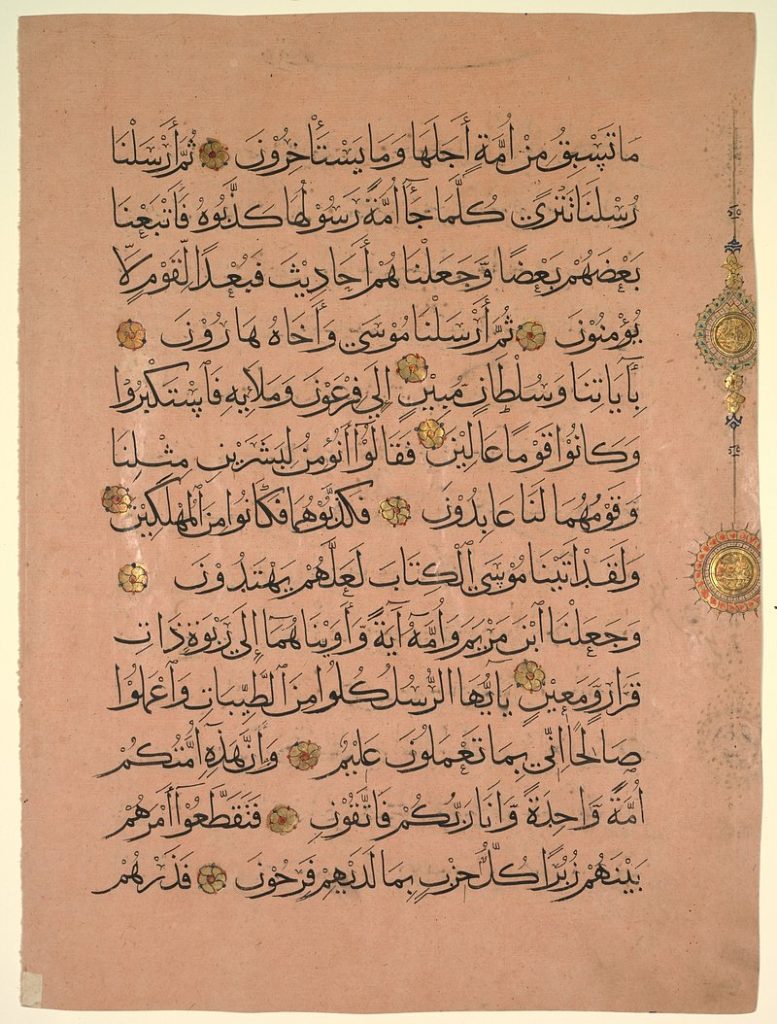

 Rumi: Life, Teachings & The Path to Divine LoveGeneral
 Thich Nhat Hanh: Life, Mindfulness & Engaged BuddhismGeneral
 Teilhard de Chardin: Life, Ideas & the Omega PointGeneral
 Ram Dass: Life, Teachings & Path to Loving AwarenessGeneralRumi: Life, Teachings & The Path to Divine LoveGeneral
Sign in without leaving this document. You will return here automatically.

The Ultimate Masters
https://www.ultimatemasters.org
Subscribe for one year to access all your favourite downloads
500 / year
Unlimited downloads forever
Unlimited downloads
Subscribe for one to access hundreds of downloads.
50 / month
Subscribe quarterly/per term
75 / month
The Ultimate Masters
https://www.ultimatemasters.org
Continue directly to this store’s secure WooCommerce checkout.
Earn direct and team commission with personal links, campaign creatives, discount coupons and transparent reporting.
0 responses on "Rumi: Life, Teachings & The Path to Divine Love"