

Annual
Subscribe for one year to access all your favourite downloads
500 / year
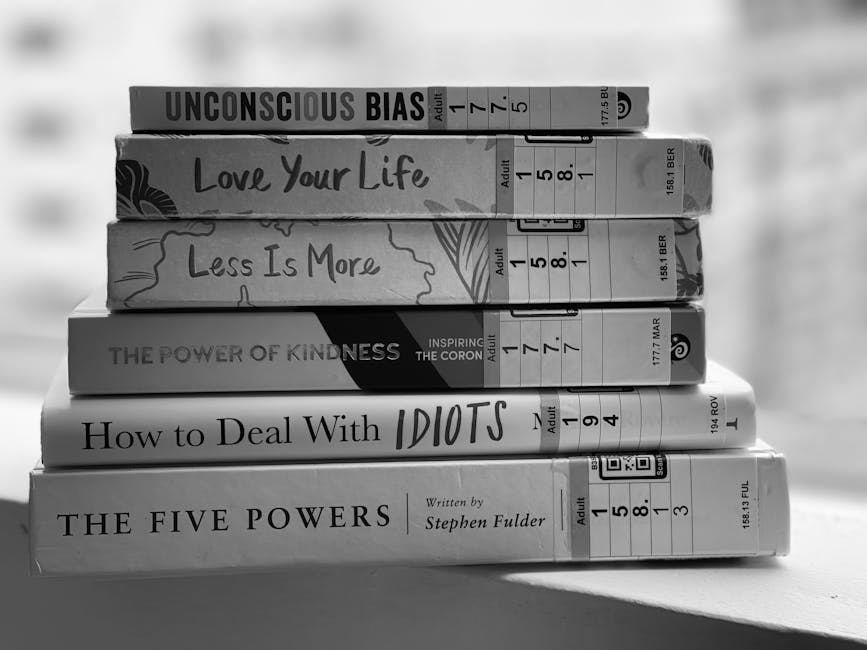

In our fast-paced world, book reviews often get a bad rap as simple summaries or quick buying guides. But the truth is, a well-crafted review is a powerful tool. It opens doors to new perspectives, encourages personal growth, and creates a vital connection between authors and readers. Let’s dive into how book reviews truly make a difference.
Think of a book review as more than just a judgment of the plot or characters. It’s a reflection of the reviewer’s own unique lens. Our experiences, beliefs, and values all shape how we react to a book. A thoughtful review acknowledges this, exploring how the book resonated (or didn’t) with the reviewer’s personal journey. This personal touch is where the magic happens.
The bestseller lists often dominate the literary scene, leaving countless amazing books in the shadows. Book reviews, especially on independent blogs and niche websites, are crucial for uncovering these hidden gems. They champion books that might not have huge marketing budgets but offer incredible insights and artistry. Think of a small indie press novel that explores complex family dynamics with raw honesty, discovered only through a passionate review. Reviews also breathe new life into older books, introducing them to a new generation. A review can reignite interest in a forgotten classic, like a lesser-known work by Jane Austen, sparking book club discussions and renewed appreciation.
Writing a strong book review is more than just saying ‘I liked it’ or ‘I didn’t.’ It demands careful reading, sharp thinking, and the ability to express your ideas clearly and engagingly. This means dissecting the author’s style, the plot’s structure, the characters’ growth, and the underlying themes. A great review provides context, examines the book’s strengths and weaknesses, and offers a balanced viewpoint. For example, a review might praise a book’s intricate world-building but critique its slow pacing.
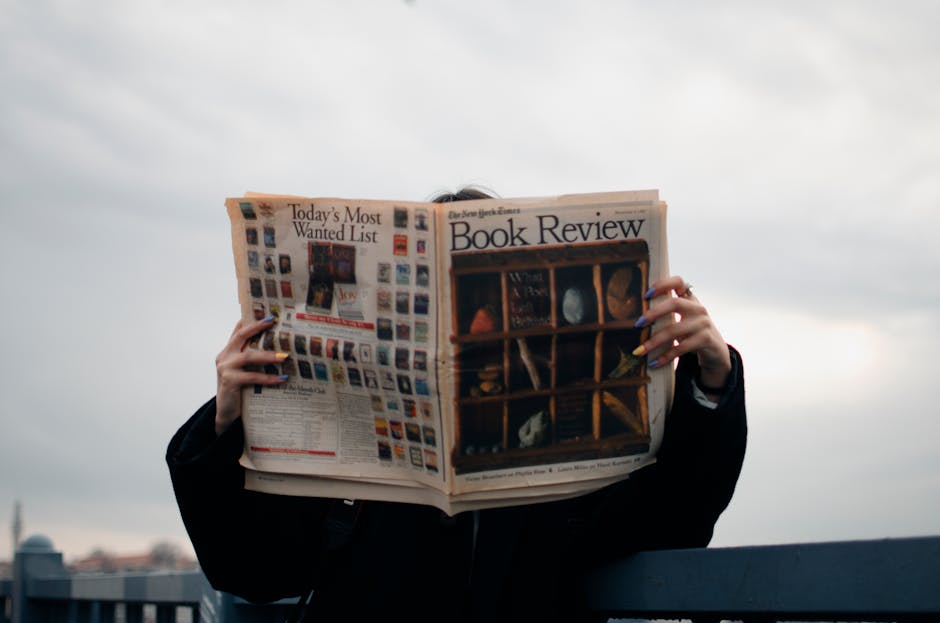
Book reviews aren’t just for readers; they’re essential for supporting authors and nurturing a vibrant literary community. Positive reviews can significantly boost a book’s visibility and sales, especially for new authors or those published by smaller publishers. Constructive criticism, even in negative reviews, offers valuable feedback for authors to hone their craft. Imagine a debut author receiving thoughtful feedback on character development, allowing them to refine their skills for future works.
Sometimes, book reviews can even start a conversation between the author and the reader. Authors might respond to reviews, explaining their intentions, addressing criticisms, or simply thanking the reader for their engagement. This back-and-forth enriches the reading experience and fosters a deeper understanding of the work. An author might clarify a misunderstood plot point in response to a reviewer’s question, adding a new layer of interpretation to the story.
Libraries and schools rely heavily on book reviews to make smart choices about what to buy and teach. Reviews help librarians find high-quality books that fit their collection goals and meet the needs of their community. Teachers use reviews to select books that are appropriate for their students and will spark their curiosity. Reviews can guide educators towards books that tackle important social issues or expose students to diverse perspectives.
With so many online platforms, it’s important to be picky when looking for book reviews. Consider the source’s reputation, the reviewer’s knowledge, and the overall tone of the review. Look for reviews that are well-written, thoughtful, and offer a balanced view.

There are many reliable places to find book reviews, including established literary magazines, newspapers, websites dedicated to book criticism, and even curated book blogs. Be aware of potential biases or conflicts of interest, especially in sponsored reviews. Always read multiple reviews from different sources to get a well-rounded picture of a book. For example, compare a review from The New York Review of Books with one from a popular book blog to get different perspectives.
As technology advances, the world of book reviews will continue to evolve. Social media and online communities are already playing a bigger role in shaping readers’ opinions. But the core values of thoughtful analysis, critical thinking, and clear communication will always be essential for creating meaningful and impactful book reviews. The format might change, but the power of a well-written review will endure.
If you want a practical next step, you can also check out Heal your past, design your future.
If you want a practical next step, you can also check out Become an Ultimate Master of your life.

 Equinox Shift: A Channeled Guide to Global Consciousness ChangeGeneral
 Autumn Equinox: A Channeled Message for Humanity’s Great RebalancingGeneral
 The Great Awakening’s True Purpose | Sara Landon Channels The CouncilGeneral
 Channeled Predictions for the Next 20 Years with Lee HarrisGeneral
 Kuthumi’s 2027 Vision: How to Navigate Humanity’s Great ShiftGeneral
 Humanity’s 2026 Leap: A Channeled Message Breakdown & GuideGeneral
 Navigating the 2027 Shift: A Guide to Personal ConsciousnessGeneral
 The 2027 Shift: A Channeled Guide to Humanity’s Energetic ShiftGeneral
 Kuthumi’s 2027 Prophecy: Humanity’s Great Awakening (Video)General
 Navigating the 2027 Energetic Shift: Kuthumi’s Guide to What’s NextGeneralEquinox Shift: A Channeled Guide to Global Consciousness ChangeGeneralAutumn Equinox: A Channeled Message for Humanity’s Great RebalancingGeneralThe Great Awakening’s True Purpose | Sara Landon Channels The CouncilGeneralChanneled Predictions for the Next 20 Years with Lee HarrisGeneralKuthumi’s 2027 Vision: How to Navigate Humanity’s Great ShiftGeneral
Sign in without leaving this document. You will return here automatically.

The Ultimate Masters
https://www.ultimatemasters.org
Subscribe for one year to access all your favourite downloads
500 / year
Unlimited downloads forever
Unlimited downloads
Subscribe for one to access hundreds of downloads.
50 / month
Subscribe quarterly/per term
75 / month
The Ultimate Masters
https://www.ultimatemasters.org
Continue directly to this store’s secure WooCommerce checkout.
Earn direct and team commission with personal links, campaign creatives, discount coupons and transparent reporting.
0 responses on "The Transformative Power of Book Reviews: A Journey Beyond the Plot"