



Annual
Subscribe for one year to access all your favourite downloads
500 / year


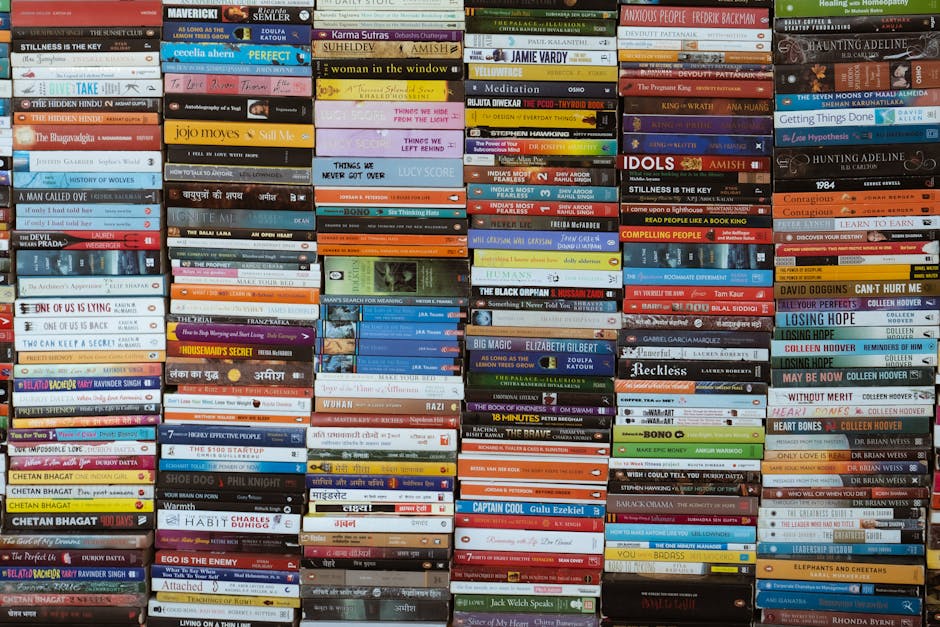
In today’s crowded book market, a simple star rating just doesn’t cut it. Book reviews have evolved into powerful forces that drive sales, establish author reputations, and even influence publishing decisions. But what makes a review truly effective, and how can both authors and readers harness their potential?
The landscape of book reviewing has undergone a seismic shift. Once confined to the hallowed pages of newspapers and literary journals, reviews now thrive in the digital realm. Blogs, social media platforms, and dedicated review sites have democratized the process, giving voice to a wider range of perspectives. Think of BookTok, where short video reviews can instantly catapult a book to bestseller status. This expansion offers authors unprecedented opportunities for exposure, but it also necessitates a strategic approach to managing and understanding the diverse feedback.
A compelling book review goes beyond a simple ‘I liked it’ or ‘I didn’t’. It’s a nuanced exploration of the author’s craft, the story’s themes, and the overall reading experience. It’s about providing potential readers with the information they need to make an informed decision.
Crafting a review that resonates with readers requires a deliberate and thoughtful approach. Here are the core elements that contribute to a high-quality assessment:
For authors, book reviews are more than just feedback – they’re valuable tools for marketing, audience engagement, and professional growth. Here’s how authors can leverage reviews to their advantage:
Ethical considerations are paramount for book reviewers. Transparency, objectivity, and respect are essential. Reviewers should disclose any conflicts of interest, avoid plagiarism, and provide fair and balanced assessments.
The world of book reviews is constantly evolving. From video essays on YouTube to interactive discussions on Discord, new formats and platforms are emerging all the time. By embracing these changes and prioritizing quality, both authors and readers can continue to shape the future of literary discourse. The conversation surrounding books is more vibrant and accessible than ever before, and book reviews remain a crucial part of that dialogue.
If you want a practical next step, you can also check out Heal your past, design your future.

If you want a practical next step, you can also check out Become an Ultimate Master of your life.

 Equinox Shift: A Channeled Guide to Global Consciousness ChangeGeneral
 Autumn Equinox: A Channeled Message for Humanity’s Great RebalancingGeneral
 The Great Awakening’s True Purpose | Sara Landon Channels The CouncilGeneral
 Channeled Predictions for the Next 20 Years with Lee HarrisGeneral
 Kuthumi’s 2027 Vision: How to Navigate Humanity’s Great ShiftGeneral
 Humanity’s 2026 Leap: A Channeled Message Breakdown & GuideGeneral
 Navigating the 2027 Shift: A Guide to Personal ConsciousnessGeneral
 The 2027 Shift: A Channeled Guide to Humanity’s Energetic ShiftGeneral
 Kuthumi’s 2027 Prophecy: Humanity’s Great Awakening (Video)General
 Navigating the 2027 Energetic Shift: Kuthumi’s Guide to What’s NextGeneralEquinox Shift: A Channeled Guide to Global Consciousness ChangeGeneralAutumn Equinox: A Channeled Message for Humanity’s Great RebalancingGeneralThe Great Awakening’s True Purpose | Sara Landon Channels The CouncilGeneralChanneled Predictions for the Next 20 Years with Lee HarrisGeneralKuthumi’s 2027 Vision: How to Navigate Humanity’s Great ShiftGeneral
Sign in without leaving this document. You will return here automatically.

The Ultimate Masters
https://www.ultimatemasters.org
Subscribe for one year to access all your favourite downloads
500 / year
Unlimited downloads forever
Unlimited downloads
Subscribe for one to access hundreds of downloads.
50 / month
Subscribe quarterly/per term
75 / month
The Ultimate Masters
https://www.ultimatemasters.org
Continue directly to this store’s secure WooCommerce checkout.
Earn direct and team commission with personal links, campaign creatives, discount coupons and transparent reporting.
0 responses on "The Untapped Power of Book Reviews: A Guide for Authors and Aspiring Critics"