


Annual
Subscribe for one year to access all your favourite downloads
500 / year
In a world increasingly focused on external validation, the work of Carl Jung offers a refreshing perspective: a journey inward. More than just a psychologist, Jung was a pioneer of self-discovery, providing tools and insights that remain powerfully relevant today. His theories aren’t just academic; they’re practical guides to understanding ourselves and living more authentically.
Jung’s fascination with the inner world began early. Growing up in a religious environment, he experienced vivid dreams and visions that sparked a lifelong quest to understand the human psyche. He saw the mind not just as a collection of personal experiences, but as a vast landscape connected to something larger.
Initially drawn to Sigmund Freud’s psychoanalysis, Jung eventually diverged, developing his own unique approach. This independence allowed him to explore the spiritual and symbolic dimensions of the psyche more fully.
Jung’s ideas can seem complex, but they offer practical frameworks for personal growth. Let’s break down some key concepts:
Imagine a shared library of human experience, passed down through generations. That’s the collective unconscious. It contains universal symbols and patterns called archetypes, which influence our thoughts, feelings, and behaviors. For example, the ‘Hero’ archetype appears in stories and myths across cultures, representing our innate desire to overcome challenges.
Archetypes are like fundamental blueprints for human behavior. Recognizing these archetypes within ourselves can provide valuable insights. Examples include:
<
Individuation is the lifelong journey of becoming a whole, integrated person. It involves acknowledging and integrating all aspects of ourselves, including the Shadow. Think of it as assembling a puzzle, where each piece represents a different part of your personality. By embracing all the pieces, even the ones we don’t like, we can create a more complete and authentic picture of ourselves. For instance, someone who always strives to be ‘nice’ might need to acknowledge their anger to become fully individuated.
Jung identified different psychological types based on how we perceive and interact with the world. Are you an introvert or an extrovert? Do you rely more on thinking, feeling, sensing, or intuition? Understanding your type can help you leverage your strengths and navigate your weaknesses. For example, an introverted thinker might excel in research, while an extroverted feeler might thrive in customer service.
Jung’s ideas aren’t just theoretical; they’re meant to be lived. Here are some ways to apply his wisdom:
Keep a journal and record your dreams. Look for recurring symbols and themes. What emotions do they evoke? What might they be telling you about your unconscious mind? For example, dreaming of being chased might represent feeling overwhelmed by responsibilities.
Identify the qualities you dislike or judge in others. These often reflect aspects of your own Shadow. By acknowledging and integrating these qualities, you can become more compassionate and understanding.
A Jungian therapist can guide you on your journey of self-discovery, helping you to explore your unconscious, interpret your dreams, and integrate your personality.
Carl Jung’s work offers a powerful roadmap for personal growth and self-understanding. By exploring his ideas and applying them to your own life, you can unlock your potential and live a more authentic and fulfilling life. Start by reading Jung’s books, exploring online resources, or connecting with a Jungian therapist. The journey of self-discovery is a lifelong adventure, and Jung’s wisdom can be a valuable guide.
If you want a practical next step, you can also check out Heal your past, design your future.

If you want a practical next step, you can also check out Become an Ultimate Master of your life.
 Tim Ferriss & The Self-Improvement Trap: Is More Always Better?General
 The Self-Acceptance Protocol: Beyond Endless Self-ImprovementGeneral
 Beyond Bio-Hacking: The Science of Authentic Self-ImprovementGeneral
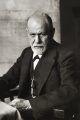 Carl Jung: Life, Ideas & The Path to Spiritual WholenessGeneral
 Book Review: The Biology of Belief – Lipton’s Key LessonsGeneral
 Book Review: Breaking the Habit of Being Yourself by Dr. Joe DispenzaGeneralTim Ferriss & The Self-Improvement Trap: Is More Always Better?GeneralThe Self-Acceptance Protocol: Beyond Endless Self-ImprovementGeneral
Sign in without leaving this document. You will return here automatically.

The Ultimate Masters
https://www.ultimatemasters.org
Subscribe for one year to access all your favourite downloads
500 / year
Unlimited downloads forever
Unlimited downloads
Subscribe for one to access hundreds of downloads.
50 / month
Subscribe quarterly/per term
75 / month
The Ultimate Masters
https://www.ultimatemasters.org
Continue directly to this store’s secure WooCommerce checkout.
Earn direct and team commission with personal links, campaign creatives, discount coupons and transparent reporting.
0 responses on "Top People Profiles: Exploring Paths to Divine Alignment and Higher Purpose"