


Annual
Subscribe for one year to access all your favourite downloads
500 / year
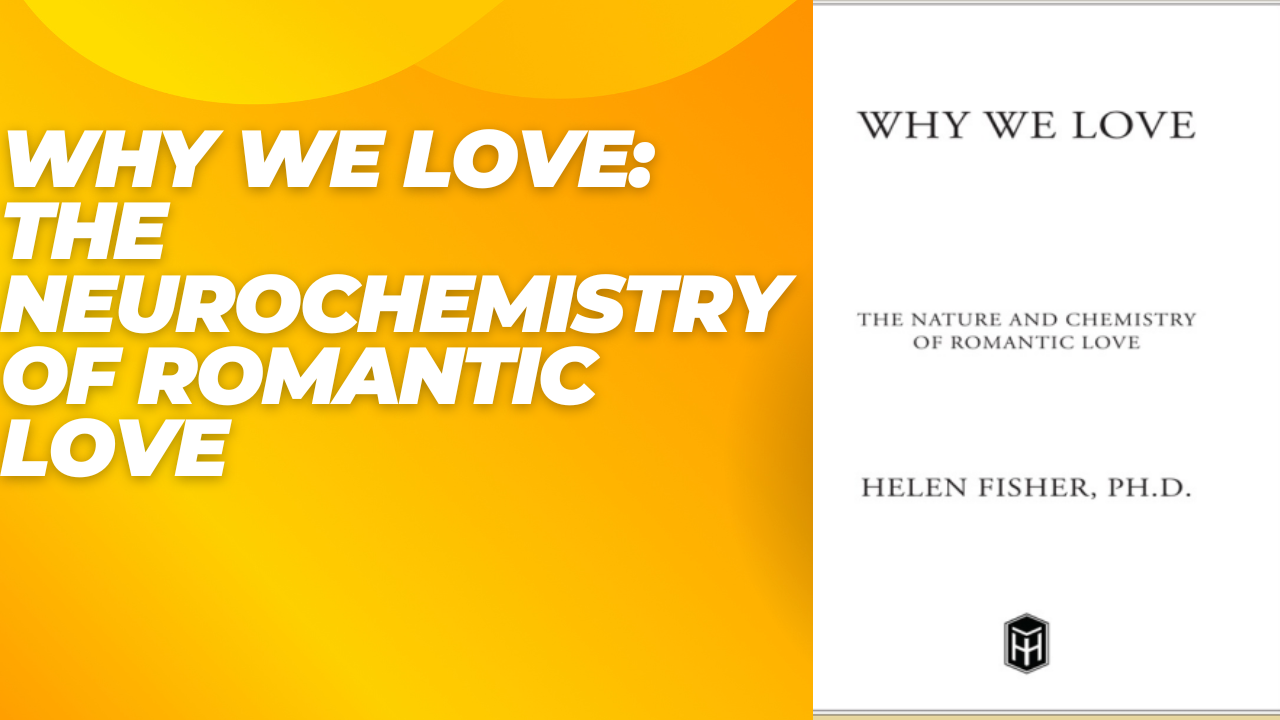

This excerpt from Why We Love explores the evolutionary biology and neuroscience of romantic love. The author examines cross-cultural examples of romantic love throughout history and in various animal species, arguing for its universality and biological basis. A survey is described, highlighting common characteristics of romantic love in different populations. The text further investigates the brain’s role in romantic love, including key neurochemicals and brain regions activated during its experience. Finally, the author discusses the complexities of love, including loss, jealousy, and the interplay of lust, romance, and attachment.
Romantic love is portrayed as a cornerstone of human social life, a passion experienced by virtually every human being throughout history. The text emphasizes its importance in driving pair-bonding and reproduction, while also acknowledging its complex mix of joy and agony. A clearer understanding of romantic love can help people find and sustain this passion. It’s suggested that the human social structure itself may owe some of its existence to the drive behind romantic love.
Lust, romantic attraction, and attachment are described as distinct but interconnected brain systems that evolved for different aspects of reproduction. Lust motivates individuals to seek sexual union, while romantic love directs mating attention to a specific preferred individual. Attachment, on the other hand, develops to enable partners to live together long enough to rear children. They are not the same but can overlap. Lust can trigger romantic attraction, and romantic attraction can enhance lust. Attachment is about creating a long term bond. These brain networks are multipurpose, serving not only reproductive needs but also shaping social bonds and personal experiences.
Dopamine, norepinephrine, and testosterone are identified as the primary chemical drivers. Dopamine, associated with pleasure and reward, increases motivation and can drive up levels of testosterone, the hormone of sexual desire. Norepinephrine contributes to the exhilaration, energy, and sleeplessness that often accompany romantic love. Testosterone is closely linked to lust and sexual arousal. These chemicals create a complex emotional state characterized by intense focus on the beloved, heightened energy, and a strong desire for sexual union.
Mate guarding is a common phenomenon in nature, where an individual, typically the male, attempts to maintain sexual exclusivity with a partner. This behavior is seen across many species and is a primary aspect of courtship. It serves the evolutionary purpose of ensuring a male’s genes are passed on through the female’s offspring and prevents the male from expending resources raising another’s offspring. It helps ensure that the energy invested in the rearing of children benefits the mate guarding individual’s DNA.
Men tend to be more visually stimulated, often focusing on physical attributes. Their fantasies are more focused on conquest and physical acts. Women are more stimulated by romantic words, affection and themes in films and stories. Their fantasies tend to include commitment, emotional connection and a partner they know well. When rejected, women often report more intense feelings of depression and hopelessness, replaying failed relationships, while men may focus more on actual or imagined sexual infidelity from their partner, and feel an urge for revenge. Men are also more likely to challenge rivals while women tend to seek social support, with a greater likelihood of depression.
Symmetry, particularly in the face, is linked to genetic health and stability, because the development of symmetry is related to the ability to withstand the harmful effects of testosterone. The more symmetrical you are, the more resilient you are. Additionally, men tend to prefer women with a particular waist-to-hip ratio (WHR), an evolutionary cue for fertility. Beyond physical traits, factors like a shared background, similar education, social and religious beliefs, and a sense of humor also play crucial roles in attraction. Both men and women are interested in partners who have good genes as well as those who are supportive and committed.
Romantic rejection is depicted as a profound and deeply troubling experience involving intense emotional pain. There are two general phases described: “protest” and “resignation/despair.” Protest involves obsessive attempts to win back the beloved, marked by restlessness, longing, and constant thoughts of the rejecter. As resignation sets in, despair and a decrease in activities can occur. Coping mechanisms suggested include meditation, repeating positive mantras, focusing on the rejecter’s negative traits, fantasizing about a better partner, using the “one day at a time” strategy, and, when needed, using antidepressants or talk therapy to regulate mood and regain function.
The text suggests it is difficult to consciously control falling in love as it involves a complex mix of biological and psychological factors. While you can cultivate conditions that might make it more likely, you cannot guarantee the development of romantic love by choice. There are ways of increasing your chances by choosing people that you find attractive and engaging, while also creating a shared history of intimacy, but ultimately, romantic love may be an automatic, involuntary experience. The text makes a nod to ancient and recent ideas about using “love potions” or “love strategies” to create romantic love but is clear that most of the mechanisms of falling in love operate subconsciously.
Attachment: A deep, enduring emotional bond that connects people across time and space. In this context, it is associated with feelings of comfort, security, and affection, often facilitated by oxytocin and vasopressin.
Cuckolded: When a man unknowingly raises offspring that are not his biological children.
Dopamine: A neurotransmitter associated with pleasure, reward, motivation, and intense focus. It is a key chemical in the brain’s reward system and is linked to the high of romantic love and sexual arousal.
Estrous: The recurring period of sexual receptivity in many female mammals, marked by hormonal changes that signal readiness for mating.
Lekking Ground: A specific area where males of certain species gather to perform courtship displays, attracting females for mating. This area is usually communal and does not contain resources.
Lust: A powerful, primordial craving for sexual gratification, driven by hormones like testosterone. It can occur independently of romantic love and may be triggered by various stimuli.
Mate Guarding: Behavior in which an individual attempts to maintain exclusive sexual access to their partner by preventing interactions with potential rivals. This is a common aspect of courtship across species.
Monogamy: A social structure where individuals form a pair bond with only one mating partner. The text explores the evolution of this behavior with a focus on pair-bonding for rearing young.
Musth: A physiological and behavioral state in male elephants characterized by the secretion of fluids, dribbling urine, and intense sexual arousal. It is an advertisement of the male’s readiness to mate.
Norepinephrine: A neurotransmitter derived from dopamine that increases arousal and energy, contributing to the exhilaration and restlessness associated with romantic love.
Oxytocin: A hormone associated with social bonding, trust, and maternal care. It plays a role in the formation and maintenance of attachments.
Protest: The initial stage of romantic rejection, where a rejected lover obsessively attempts to win back their beloved, experiencing restlessness and a persistent focus on their former partner.
Resignation/Despair: The second stage of romantic rejection, where a rejected lover gives up attempts to regain their partner and slips into depression, characterized by a profound sense of loss and hopelessness.
Romantic Love: An intense emotional state characterized by feelings of euphoria, obsession, and a strong desire for union with a specific individual. It is driven by a complex interplay of brain chemicals and evolutionary drives.
Sexual Selection: A mode of natural selection where certain traits become more attractive to potential mates and thus more prominent in subsequent generations. This may manifest as specific behaviors or physical characteristics.
Testosterone: A primary sex hormone responsible for the development and maintenance of male characteristics and is a key player in both male and female sexual desire.
Theory of Mind: The ability to understand that other individuals have their own mental states, including beliefs, desires, and intentions. This capacity is crucial in assessing potential mates and navigating complex social dynamics.
Vasopressin: A hormone linked to attachment, territorial behavior, and mate guarding in male mammals.
 The Emotional Engine of BookTok: How Tears Built an EmpireGeneral
 The BookTok Effect: Why Crying on Camera Sells More Books Than a ReviewGeneral
 The Soul of BookTok: Identity, Emotion, and CommunityGeneral
 BookTok’s Power: How It Rewrites Publishing & Reader PsychologyGeneral
 The Emotional Engine of BookTok: Why We Cry & What It SellsGeneral
 The Emotional Engine of BookTok: Why Crying Sells BooksGeneral
 The BookTok Effect: How TikTok Redefined Reading CultureGeneral
 The Emotional Engine of BookTok: Why We Cry, Buy, and ConnectGeneral
 The Emotional Algorithm: A BookTok Review of Our Inner WorldsGeneral
 BookTok: How a TikTok Hashtag Rewrote the Rules of PublishingGeneralThe Emotional Engine of BookTok: How Tears Built an EmpireGeneralThe BookTok Effect: Why Crying on Camera Sells More Books Than a ReviewGeneralThe Soul of BookTok: Identity, Emotion, and CommunityGeneralBookTok’s Power: How It Rewrites Publishing & Reader PsychologyGeneralThe Emotional Engine of BookTok: Why We Cry & What It SellsGeneral
Sign in without leaving this document. You will return here automatically.

The Ultimate Masters
https://www.ultimatemasters.org
Subscribe for one year to access all your favourite downloads
500 / year
Unlimited downloads forever
Unlimited downloads
Subscribe for one to access hundreds of downloads.
50 / month
Subscribe quarterly/per term
75 / month
The Ultimate Masters
https://www.ultimatemasters.org
Continue directly to this store’s secure WooCommerce checkout.
Earn direct and team commission with personal links, campaign creatives, discount coupons and transparent reporting.
0 responses on "Why We Love: The Neurochemistry of Romantic Love"