



Annual
Subscribe for one year to access all your favourite downloads
500 / year


In today’s information-saturated world, book reviews serve as essential navigational tools, guiding readers through the ever-expanding universe of literature. They are more than simple summaries; they are critical dialogues, insightful evaluations, and tailored recommendations that not only influence reading choices but also shape literary trends. Think of them as a literary compass, pointing towards hidden gems and helping readers avoid potential black holes.
What distinguishes a truly impactful book review? It transcends a mere plot synopsis. A stellar review is a multifaceted analysis, showcasing the reviewer’s comprehension of the book’s themes, character development, and overall impact. It’s a delicate dance between objectivity and personal interpretation, offering readers a glimpse into the book’s core while acknowledging the reviewer’s individual perspective. For instance, a review of Madeline Miller’s “Circe” might explore the feminist themes present in the retelling of a classic Greek myth, while also acknowledging the reviewer’s personal connection to the story of female empowerment.
A well-crafted review doesn’t just retell the narrative; it unveils its significance. It delves into the author’s intentions, examines the relevant historical or cultural context, and assesses the book’s contribution to its genre or field. It’s an invitation to engage with the text on a deeper level, encouraging readers to think critically and form their own opinions. Consider a review of Ta-Nehisi Coates’ “Between the World and Me,” which would likely discuss its historical context within the Black experience in America and its impact on contemporary discussions about race.

The landscape of book reviews has undergone a dramatic transformation in recent years, fueled by the proliferation of online platforms and social media. Traditional print reviews, once the primary source of literary criticism, now coexist with blog posts, Goodreads ratings, YouTube book reviews, and interactive online discussions.
Book reviews exert a significant influence that extends beyond simple purchasing decisions. For readers, they provide a curated selection of potential literary experiences, acting as a filter through the overwhelming abundance of available books. A thoughtful review can ignite curiosity, introduce readers to new genres, and even challenge pre-existing beliefs. Imagine a reader discovering a new favorite author through a compelling review of an independent novel they otherwise wouldn’t have encountered.
For authors, reviews serve as invaluable feedback. While not every review will be glowing, the collective insights from critics and readers alike can offer valuable lessons, highlighting both strengths and weaknesses in their writing. Constructive criticism can be instrumental in shaping future works and refining their craft. For example, an author might adjust their pacing or character development based on consistent feedback from reviewers.
The democratization of book reviews online presents both opportunities and challenges. While it allows for a wider range of voices and perspectives, it also makes it crucial to distinguish credible reviews from biased or ill-informed opinions. Readers must cultivate critical evaluation skills to navigate this landscape effectively. Consider these strategies:

As technology continues to advance, the future of book reviews is likely to be influenced by artificial intelligence and machine learning. AI-powered tools can analyze vast datasets to identify trends, predict readership, and even generate automated summaries. However, the uniquely human aspects of critical analysis – the ability to interpret nuance, empathize with characters, and appreciate artistic expression – will remain indispensable. The human element is what separates a review from a plot summary.
The key lies in achieving a harmonious balance between leveraging technology to enhance the review process while preserving the integrity and depth of human insight. Ultimately, the goal is to cultivate a thriving literary ecosystem where readers can discover meaningful books and authors can connect with their audience on a deeper level. Think of AI as a tool that can enhance, but never replace, the human element of literary analysis.
If you want a practical next step, you can also check out Heal your past, design your future.
If you want a practical next step, you can also check out Become an Ultimate Master of your life.

 The Power of Now Review: Summary & Key Lessons by Eckhart TolleGeneral
 The Biology of Belief Review: Lessons on Mind Over MatterGeneral
 The Four Agreements Review: Key Lessons & Summary of a Timeless GuideGeneral
 The Power of Now Review: Lessons on Presence & StillnessGeneral
 The Biology of Belief Review: Summary, Lessons & Why It MattersGeneral
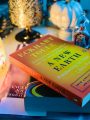 Book Review: The Power of Now by Eckhart Tolle — Summary & LessonsGeneral
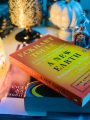 Book Review: The Power of Now by Eckhart Tolle — Summary & LessonsGeneral
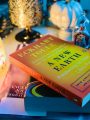 Book Review: The Power of Now by Eckhart Tolle – Summary & LessonsGeneral
 The Power of Now Review: Key Lessons on Presence & PeaceGeneral
 The Power of Now Review: Lessons & Summary for Spiritual SeekersGeneralThe Power of Now Review: Summary & Key Lessons by Eckhart TolleGeneralThe Biology of Belief Review: Lessons on Mind Over MatterGeneralThe Four Agreements Review: Key Lessons & Summary of a Timeless GuideGeneralThe Power of Now Review: Lessons on Presence & StillnessGeneralThe Biology of Belief Review: Summary, Lessons & Why It MattersGeneral
Sign in without leaving this document. You will return here automatically.

The Ultimate Masters
https://www.ultimatemasters.org
Subscribe for one year to access all your favourite downloads
500 / year
Unlimited downloads forever
Unlimited downloads
Subscribe for one to access hundreds of downloads.
50 / month
Subscribe quarterly/per term
75 / month
The Ultimate Masters
https://www.ultimatemasters.org
Continue directly to this store’s secure WooCommerce checkout.
Earn direct and team commission with personal links, campaign creatives, discount coupons and transparent reporting.
0 responses on "Beyond the Stars: How Book Reviews Shape the Cosmos of Readers' Minds"