


Navigating the Narrative Jungle: The Role of Book Reviews
Imagine stepping into a vast, sprawling jungle – teeming with life, but also overwhelming in its density. This is the literary world. Thousands of books are published every year, each vying for attention. How do readers find their way through this wilderness? The answer lies in book reviews. They act as trail guides, offering insights, pointing out hidden dangers, and ultimately helping readers decide where to invest their precious time and energy.
Beyond ‘Buy’ or ‘Bury’: The Nuance of Critical Analysis
A good book review is far more than a simple recommendation. It’s a critical exploration, a thoughtful engagement with the text. Think of it as a literary autopsy, dissecting the author’s intentions, examining the strengths and weaknesses of their execution, and ultimately determining whether the book achieves its goals. For example, a review of a historical fiction novel might analyze its accuracy and its ability to transport the reader to another time, while a review of a thriller might focus on suspense and pacing.
Launching Careers: The Power of a Positive Review
For emerging authors, a well-placed review can be life-changing. Imagine a debut novelist receiving a glowing review in a prestigious publication like the New York Review of Books. Suddenly, their book is on everyone’s radar. Publishers take notice, bookstores stock up, and readers clamor to get their hands on a copy. Reviews provide crucial visibility and credibility, especially in a market saturated with new releases. They are the literary equivalent of a rocket booster, propelling authors to new heights.

Deconstructing the Ideal Review: A Framework for Critical Engagement
What makes a book review truly effective? It’s a combination of several key elements, requiring both analytical skills and a deep appreciation for the art of storytelling.
Walking the Tightrope: Balancing Opinion and Evidence
Every review is inherently subjective, influenced by the reviewer’s personal tastes and experiences. However, the best reviews strive for objectivity by grounding their opinions in concrete examples from the text. Instead of simply stating, “The characters were unconvincing,” a good reviewer would point to specific dialogue or actions that support this claim. This approach lends credibility to the review and allows readers to form their own judgments.
Contextualizing the Narrative: Understanding the Bigger Picture
A truly insightful review situates the book within its broader context. For example, a review of a science fiction novel might consider its place within the genre’s history, its engagement with current scientific debates, and its potential impact on future narratives. This contextual awareness adds depth and nuance to the review, providing readers with a richer understanding of the book’s significance.
Unveiling the Subtext: Exploring Themes and Techniques
While plot summary is important, a great review goes beyond the surface level to explore the underlying themes, motifs, and stylistic choices that define the book. It examines the author’s use of language, imagery, and symbolism, and analyzes how these elements contribute to the overall impact of the work. A review of poetry, for example, would pay close attention to rhythm, rhyme, and metaphor.

The Shifting Sands: The Evolution of Literary Criticism
The world of book reviews is constantly changing, adapting to new technologies and evolving reader preferences.
The Democratization of Discourse: Online Platforms and Reader Reviews
The internet has revolutionized book reviewing, empowering readers to share their opinions on platforms like Goodreads, Amazon, and personal blogs. This has led to a proliferation of voices and a greater diversity of perspectives. However, it has also raised concerns about the reliability and quality of online reviews.
The Enduring Legacy: Traditional Media and Professional Criticism
Despite the rise of online platforms, reviews in established newspapers, magazines, and literary journals still carry significant weight. These publications often employ professional critics with extensive knowledge and experience, ensuring a high level of quality and rigor. A positive review in the Times Literary Supplement, for instance, can still make or break a book.
Looking Ahead: The Future of Literary Guidance
As the literary landscape continues to evolve, book reviews will undoubtedly play an increasingly vital role in guiding readers and shaping our understanding of the world. Whether delivered through traditional media or online platforms, thoughtful and insightful reviews will remain essential for fostering meaningful dialogue and celebrating the power of storytelling. They are the compass that helps us navigate the ever-expanding universe of books.
If you want a practical next step, you can also check out Heal your past, design your future.
If you want a practical next step, you can also check out Become an Ultimate Master of your life.

 The Power of Now Review: Lessons & Summary of Eckhart Tolle’s ClassicGeneral
 The Biology of Belief Review: Lipton’s Key Lessons & SummaryGeneral
 The Power of Now Book Review: Lessons from Eckhart TolleGeneral
 Book Review: The Power of Now — Summary, Lessons & Why It MattersGeneral
 Man’s Search for Meaning: Review, Summary & Key LessonsGeneral
 The Power of Now Review: Lessons & Summary of Tolle’s ClassicGeneral
 Book Review: The Power of Now by Eckhart Tolle — Summary & LessonsGeneral
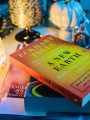 Book Review: The Power of Now by Eckhart Tolle — Summary & LessonsGeneral
 Biology of Belief Review: Lipton’s Lessons on Mind Over MatterGeneral
 Book Review: Breaking the Habit of Being Yourself by Joe DispenzaGeneral
- The Power of Now Review: Lessons & Summary of Eckhart Tolle’s ClassicGeneral
- The Biology of Belief Review: Lipton’s Key Lessons & SummaryGeneral
- The Power of Now Book Review: Lessons from Eckhart TolleGeneral
- Book Review: The Power of Now — Summary, Lessons & Why It MattersGeneral
- Man’s Search for Meaning: Review, Summary & Key LessonsGeneral


0 responses on "The Unseen Influence: How Book Reviews Shape Literary Landscapes"