


Annual
Subscribe for one year to access all your favourite downloads
500 / year
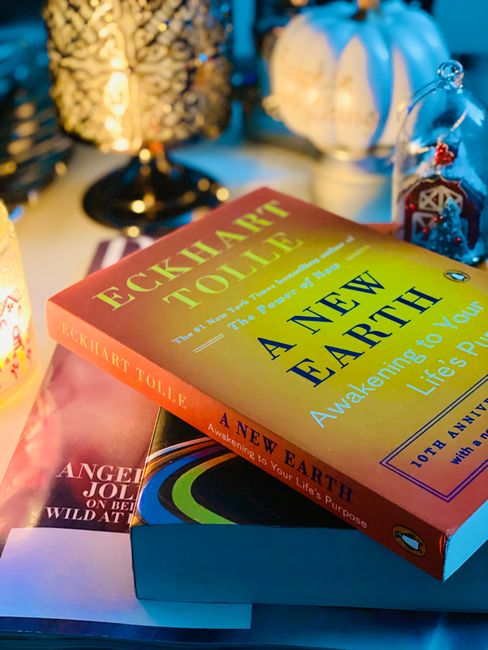

Most of us treat our minds like the master of the house, allowing its constant stream of judgments, worries, and plans to dictate our emotional state. We live within a mental narrative, replaying past grievances and rehearsing future anxieties, rarely experiencing life as it actually unfolds. Eckhart Tolle’s seminal work, The Power of Now, proposes a radical shift: to view the mind not as who you are, but as a tool you can learn to use. This guide reframes his core principles as a practical toolkit for dismantling the mental structures that cause suffering and rebuilding a foundation of presence and peace.
The first and most persistent obstacle to peace is what Tolle calls the ego. Think of it as an incessant inner narrator that defines you by your history, your possessions, your roles, and your future ambitions. This narrator thrives on conflict, comparison, and problems because they reinforce its sense of identity. It’s the voice that says, “I can’t believe they treated me that way,” or “I’ll only be happy when I achieve X.” The tool to disengage this narrator is Witnessing Awareness.
For those looking to take the next step, Heal your past, design your future is a resource worth exploring.
For those looking to take the next step, Become an Ultimate Master of your life is a resource worth exploring.
Have you ever had a small incident trigger a disproportionately large emotional reaction? Tolle identifies the source of this as the “pain-body”—a reservoir of old, unprocessed emotional pain that accumulates throughout our lives. It is a semi-dormant energy field that feeds on negativity and can take you over in an instant. The tool for dissolving this residue is Conscious Presence.
The mind constantly pulls us into “psychological time.” We are either lost in memories and regrets about the past or consumed by anxiety and planning for the future. Tolle argues that both are illusions, as life can only ever be experienced in the present moment. To escape this mental time travel, we need anchors to the Now.
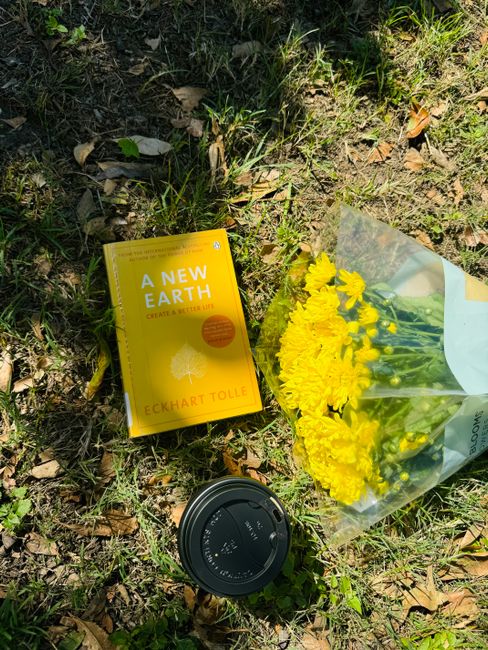
Eckhart Tolle’s teachings are not about achieving a future state of enlightenment but about accessing the peace and intelligence that are already available when you quiet the mind. By using these tools—witnessing your thoughts, consciously inhabiting your emotions, and anchoring in the present—you can begin to shift your identity from the thinker to the awareness behind the thinker. This is the path from suffering to peace, a journey that requires only one step, taken in the only moment that ever exists: now.


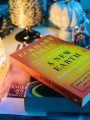 The Power of Now Review: Lessons from Eckhart Tolle’s ClassicGeneral
 The Power of Now Review: Lessons on Presence & Ending SufferingGeneral
 Book Review: The Power of Now Summary & Key LessonsGeneral
 The Power of Now Review: Lessons on Presence & Inner PeaceGeneral
 The Self-Help De-Influence Movement: Beyond Toxic PositivityGeneral
 Kryon: Ancient Prophecy & Humanity’s Next Evolutionary StepGeneralThe Power of Now Review: Lessons from Eckhart Tolle’s ClassicGeneralThe Power of Now Review: Lessons on Presence & Ending SufferingGeneralBook Review: The Power of Now Summary & Key LessonsGeneralThe Power of Now Review: Lessons on Presence & Inner PeaceGeneral
Sign in without leaving this document. You will return here automatically.

The Ultimate Masters
https://www.ultimatemasters.org
Subscribe for one year to access all your favourite downloads
500 / year
Unlimited downloads forever
Unlimited downloads
Subscribe for one to access hundreds of downloads.
50 / month
Subscribe quarterly/per term
75 / month
The Ultimate Masters
https://www.ultimatemasters.org
Continue directly to this store’s secure WooCommerce checkout.
Earn direct and team commission with personal links, campaign creatives, discount coupons and transparent reporting.
0 responses on "The Power of Now Review: Lessons & Summary of Eckhart Tolle's Classic"