


Annual
Subscribe for one year to access all your favourite downloads
500 / year
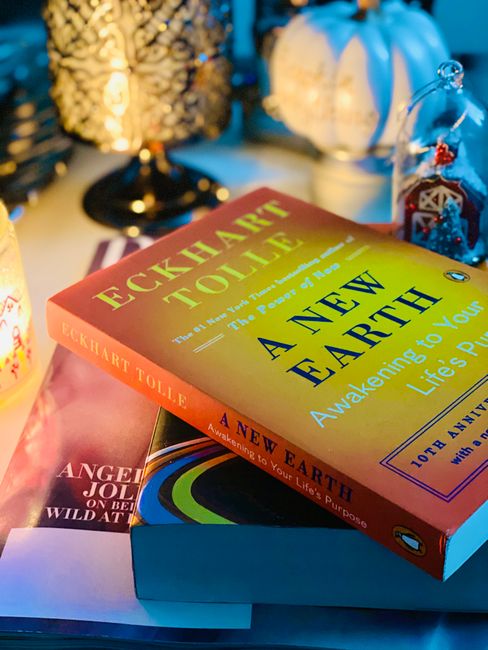

In our hyper-connected world, the mind often feels like a web browser with countless tabs open simultaneously: replaying yesterday’s awkward meeting, pre-planning tomorrow’s difficult conversation, and scrolling through a feed of anxieties about the future. We mistake this chaotic internal monologue for who we are. Eckhart Tolle’s transformative guide, The Power of Now, presents a compelling argument that this is a case of mistaken identity. It offers not just a philosophy, but a practical method for closing the tabs, rebooting our awareness, and discovering the profound calm that exists beneath the surface of our thoughts.
Tolle posits that the root of most human suffering isn’t our external circumstances, but our internal resistance to them. He identifies two primary culprits for our chronic unease.
Our minds are perpetually time-traveling. We are either held hostage by memories of the past—regrets, grievances, and nostalgia—or paralyzed by projections of the future—worry, planning, and anticipation. Tolle argues that this “psychological time” is a phantom. The past is gone and the future has not yet arrived; they exist only as thoughts. The only point of power, the only reality we ever truly possess, is the present moment. Our suffering deepens the more we refuse to inhabit this single, ever-present reality.
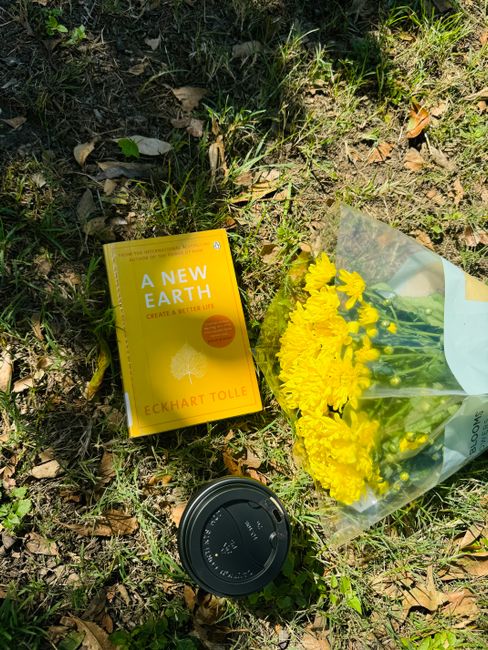
Who is the “I” that suffers? Tolle identifies it as the ego—a false self constructed from our personal history, our roles in society, our possessions, and our beliefs. This mind-made identity is inherently unstable and defensive. It thrives on separation, conflict, and being “right.” It constantly seeks validation and defines itself through comparison. The core practice Tolle suggests is to begin observing this egoic voice as an outsider, realizing that you are the awareness behind the thought, not the thought itself.
For those looking to take the next step, Become an Ultimate Master of your life is a resource worth exploring.
For those looking to take the next step, Heal your past, design your future is a resource worth exploring.
Rather than offering complex theories, Tolle provides actionable tools to disengage from the mind’s destructive patterns and anchor ourselves in the present.

This is the foundational practice of becoming a silent witness to your own mind. When a wave of anxiety about a work deadline hits, instead of being swept away by the thought “I’m going to fail,” you step back and observe: “Ah, there is the thought of fear about the deadline.” This subtle shift creates a space between you and the thought, robbing it of its power to control your emotional state. You are no longer the actor in the drama, but the audience watching it unfold.
When lost in a mental storm, a powerful way to return to the Now is to shift your attention from thinking to feeling. Focus your awareness inside your body. Can you feel the subtle energy in your hands? The rise and fall of your breath in your abdomen? This is not about thinking about your body, but about inhabiting it directly. This practice immediately pulls you out of abstract worry and grounds you in the tangible, living reality of the present moment.
Surrender, in Tolle’s terms, is not weakness or giving up. It is a wise and courageous acceptance of the present moment, exactly as it is. If you are stuck in traffic, you have two choices: resist the reality and fill yourself with rage and stress, or accept it. Acceptance doesn’t mean you have to like it, but you cease the futile internal war against a reality you cannot change. In that surrender, a sense of peace becomes possible, even in an unpleasant situation.
Tolle introduces the concept of the “pain-body,” a collective field of old, unprocessed emotional pain that resides in every individual. It’s like a dormant volcano that can be triggered by a seemingly minor event, causing a disproportionately intense emotional reaction. You might have a calm day ruined by a casual remark that reactivates old feelings of abandonment or injustice. The key to dissolving the pain-body is not to analyze it, but to shine the light of your conscious awareness on it. By observing the raw emotion in your body without judgment, you break the cycle of it feeding on your negative thoughts and renewing itself.
The Power of Now is less a book to be read and more a manual to be lived. Its enduring power lies in its simplicity and directness. It bypasses intellectual debate and points directly to a lived experience of peace that is accessible to anyone, at any time. It’s an invitation to stop seeking salvation in the future and to discover that everything you’ve ever been looking for—peace, joy, and stillness—is already present, waiting patiently for you beneath the noise of your mind.

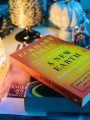 The Power of Now Review: Lessons from Eckhart Tolle’s ClassicGeneral
 The Power of Now Review: Lessons on Presence & Ending SufferingGeneral
 Book Review: The Power of Now Summary & Key LessonsGeneral
 The Power of Now Review: Lessons on Presence & Inner PeaceGeneral
 The Self-Help De-Influence Movement: Beyond Toxic PositivityGeneral
 Kryon: Ancient Prophecy & Humanity’s Next Evolutionary StepGeneralThe Power of Now Review: Lessons from Eckhart Tolle’s ClassicGeneralThe Power of Now Review: Lessons on Presence & Ending SufferingGeneralBook Review: The Power of Now Summary & Key LessonsGeneralThe Power of Now Review: Lessons on Presence & Inner PeaceGeneral
Sign in without leaving this document. You will return here automatically.

The Ultimate Masters
https://www.ultimatemasters.org
Subscribe for one year to access all your favourite downloads
500 / year
Unlimited downloads forever
Unlimited downloads
Subscribe for one to access hundreds of downloads.
50 / month
Subscribe quarterly/per term
75 / month
The Ultimate Masters
https://www.ultimatemasters.org
Continue directly to this store’s secure WooCommerce checkout.
Earn direct and team commission with personal links, campaign creatives, discount coupons and transparent reporting.
0 responses on "Book Review: The Power of Now by Eckhart Tolle — Summary & Lessons"