


Illuminating Literary Paths: The Power of Book Reviews
Imagine a vast, star-studded sky representing the literary world. Each star, a book, shines with varying degrees of brightness, some barely visible, others blazing brilliantly. What guides our eyes, what helps us navigate this celestial expanse? The answer lies in the often-overlooked influence of book reviews. More than simple opinions, they are the constellations that connect individual works, providing context, meaning, and ultimately, shaping our reading experiences. But how do these literary constellations form, and what impact do they have on authors, readers, and the literary landscape itself?
The Multifaceted Role of Reviews: More Than Just Recommendations
While a primary function of a book review is undoubtedly to recommend – or dissuade from reading – a particular title, their role extends far beyond this binary choice. They serve as critical analyses, sparking intellectual debates and enriching the broader cultural conversation. Reviews can catapult unknown authors to literary stardom, resurrect forgotten classics, and even influence our understanding of complex social and political issues. The best reviews move beyond mere plot summaries, delving into the deeper significance of the work.
Consider, for instance, the impact of a glowing review of “To Kill a Mockingbird” upon its release. The thoughtful analysis and praise it received in publications like the New York Times Book Review helped to solidify its place as a cornerstone of American literature, prompting discussions about race, justice, and childhood innocence that continue to this day. Conversely, a poorly received review can significantly hinder a book’s success, particularly for debut authors. This power necessitates responsibility. Reviewers must strive for objectivity, fairness, and a comprehensive understanding of the material, setting aside personal biases to evaluate the book within its specific genre and historical context.

Deconstructing the Review: Essential Components for Meaningful Critique
A compelling book review transcends personal opinion; it’s a well-structured argument supported by textual evidence. Several key components contribute to its effectiveness and credibility:
- Synopsis: A succinct overview of the book’s narrative, central themes, and core arguments, carefully avoiding major spoilers. Think of it as a teaser trailer, not the full movie.
- Interpretation: A critical examination of the author’s writing style, character development, narrative structure, and thematic exploration. Is the prose lyrical or utilitarian? Are the characters believable and relatable?
- Contextualization: Placing the book within its literary genre, historical setting, and the author’s overall body of work. Does it fit neatly into a specific category, or does it defy conventions?
- Assessment: A balanced judgment of the book’s strengths and weaknesses, supported by concrete examples from the text. What aspects of the book resonated, and what fell short?
- Target Audience: Identifying the intended audience for the book and evaluating its appeal to that specific demographic. Is it a page-turner for young adults or a dense philosophical treatise for academics?
Navigating the Tightrope: Objectivity and Subjectivity in Criticism
Finding the right balance between objectivity and subjectivity is a constant challenge for book reviewers. While personal preferences inevitably shape our perception of a book, reviewers must strive for impartiality and fairness. This involves acknowledging their own biases, considering alternative interpretations, and backing up their claims with evidence from the text. For example, a reviewer who dislikes science fiction should acknowledge this bias when reviewing a sci-fi novel, focusing on the book’s merits within its genre rather than simply dismissing it based on personal taste.
Ethical considerations also play a crucial role. Reviewers should avoid conflicts of interest, disclose any relationships with the author or publisher, and respect the author’s creative vision. The goal is to provide constructive criticism that empowers readers to make informed decisions, rather than engaging in personal attacks or promoting a personal agenda.
The Digital Revolution: Book Reviews in the Age of the Internet
The internet and social media have revolutionized the world of book reviewing. Platforms like Goodreads, Amazon, and personal blogs have democratized the process, enabling anyone to share their opinions and recommendations. This has led to an explosion of reviews, but it also raises concerns about credibility and quality control. The rise of “BookTok”, for example, showcases the power of short-form video reviews to influence reading trends, but also highlights the potential for superficial or biased content.

Opportunities and Pitfalls: The Impact of Online Reviews
Online reviews offer numerous benefits, including increased accessibility, diverse perspectives, and real-time feedback. However, they also present challenges such as the potential for fake reviews, the spread of misinformation, and the dominance of popular opinion over informed critical analysis. Navigating this evolving landscape requires readers to be discerning and to seek out reviews from trustworthy sources. Look for reviewers who demonstrate critical thinking skills, provide thoughtful analysis, and disclose any potential biases.
The future of book reviewing likely involves a combination of traditional and digital approaches, with professional critics and amateur reviewers coexisting in a dynamic ecosystem. The key to preserving the integrity and value of book reviews lies in fostering critical thinking, ethical conduct, and a dedication to providing insightful and informative guidance for readers navigating the vast and ever-expanding literary landscape.
If you want a practical next step, you can also check out Heal your past, design your future.
If you want a practical next step, you can also check out Become an Ultimate Master of your life.

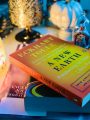 The Power of Now Review: Lessons & Summary of Eckhart Tolle’s ClassicGeneral
 The Biology of Belief Review: Lipton’s Key Lessons & SummaryGeneral
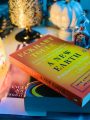 The Power of Now Book Review: Lessons from Eckhart TolleGeneral
 Book Review: The Power of Now — Summary, Lessons & Why It MattersGeneral
 Man’s Search for Meaning: Review, Summary & Key LessonsGeneral
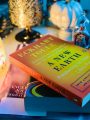 The Power of Now Review: Lessons & Summary of Tolle’s ClassicGeneral
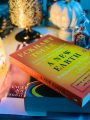 Book Review: The Power of Now by Eckhart Tolle — Summary & LessonsGeneral
 Book Review: The Power of Now by Eckhart Tolle — Summary & LessonsGeneral
 Biology of Belief Review: Lipton’s Lessons on Mind Over MatterGeneral
 Book Review: Breaking the Habit of Being Yourself by Joe DispenzaGeneral
- The Power of Now Review: Lessons & Summary of Eckhart Tolle’s ClassicGeneral
- The Biology of Belief Review: Lipton’s Key Lessons & SummaryGeneral
- The Power of Now Book Review: Lessons from Eckhart TolleGeneral
- Book Review: The Power of Now — Summary, Lessons & Why It MattersGeneral
- Man’s Search for Meaning: Review, Summary & Key LessonsGeneral




0 responses on "The Unseen Architect: How Book Reviews Shape Literary Landscapes and Reader Perception"