

Annual
Subscribe for one year to access all your favourite downloads
500 / year
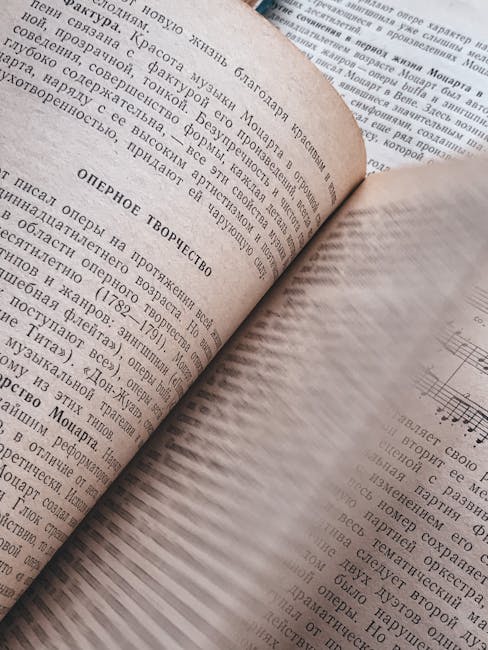

In our age of endless information, book reviews act as crucial compasses, guiding readers through the vast ocean of literature. More than just summaries or star ratings, they offer vital perspectives, ignite intellectual curiosity, and fuel literary discussions. Think of them as bridges connecting authors and readers, providing context, interpretation, and ultimately, a recommendation or a word of caution.
But what makes a book review truly shine? And how can readers leverage these reviews to uncover their next literary obsession? Let’s delve into the world of book reviews, exploring their diverse forms, their powerful influence on the publishing industry, and how to distinguish insightful analysis from superficial opinions. Imagine a skilled art critic analyzing a painting – that’s what a good book reviewer does for literature.
Not all book reviews are created equal. They exist in various formats, each serving a specific purpose and catering to a particular audience. From concise endorsements on book jackets to comprehensive essays in literary journals, understanding these different types is crucial for both readers and authors.
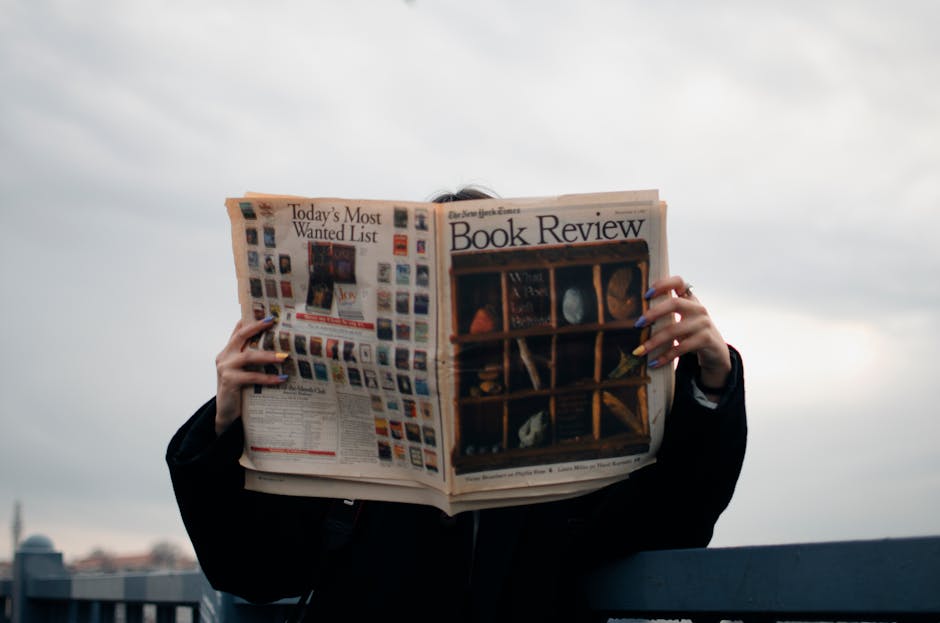
A truly effective book review goes beyond a simple plot synopsis and offers a nuanced understanding of the work. Here are some key characteristics to look for:
Book reviews wield considerable influence in shaping a book’s success and long-term impact. Positive reviews can generate buzz, drive sales, and solidify an author’s reputation. Negative reviews, while potentially disheartening for authors, can also provide valuable feedback and contribute to a more critical and discerning reading culture.
In today’s digital world, online reviews are particularly vital for discoverability. Algorithms on platforms like Amazon and Goodreads use reviews to suggest books to readers, making them a powerful tool for authors seeking to expand their reach.
While it’s tempting to disregard negative reviews, constructive criticism can be a valuable resource for authors. By paying attention to recurring patterns in reviews, authors can identify areas for improvement in their writing and create more compelling narratives.

With a plethora of reviews available, it can be challenging to know where to begin. Here are some helpful tips for navigating the review landscape:
By understanding the art and impact of book reviews, readers can become more discerning consumers of literature, and authors can gain valuable insights into their craft. So, the next time you’re searching for your next captivating read, remember the power of the book review and use it to unlock literary treasures.
The integrity of book reviews is of utmost importance. Ethical reviewers avoid conflicts of interest, such as reviewing books by friends or colleagues without disclosing the relationship. They also refrain from accepting payment for positive reviews, ensuring that their opinions remain unbiased and trustworthy. Transparency is key to preserving credibility within the literary community.
As technology continues to advance, the world of book reviews will undoubtedly evolve. We can expect to see more video reviews, interactive reviews that allow readers to engage directly with the text, and AI-powered reviews that analyze books based on vast datasets. However, the human element of interpretation and critical thinking will remain essential to the art of book reviewing. The future promises a dynamic and engaging environment for both readers and authors.
If you want a practical next step, you can also check out Heal your past, design your future.
If you want a practical next step, you can also check out Become an Ultimate Master of your life.

 Tim Ferriss & The Self-Improvement Trap: Is More Always Better?General
 The Self-Acceptance Protocol: Beyond Endless Self-ImprovementGeneral
 Beyond Bio-Hacking: The Science of Authentic Self-ImprovementGeneral
 Carl Jung: Life, Ideas & The Path to Spiritual WholenessGeneral
 Book Review: The Biology of Belief – Lipton’s Key LessonsGeneral
 Book Review: Breaking the Habit of Being Yourself by Dr. Joe DispenzaGeneralTim Ferriss & The Self-Improvement Trap: Is More Always Better?GeneralThe Self-Acceptance Protocol: Beyond Endless Self-ImprovementGeneral
Sign in without leaving this document. You will return here automatically.

The Ultimate Masters
https://www.ultimatemasters.org
Subscribe for one year to access all your favourite downloads
500 / year
Unlimited downloads forever
Unlimited downloads
Subscribe for one to access hundreds of downloads.
50 / month
Subscribe quarterly/per term
75 / month
The Ultimate Masters
https://www.ultimatemasters.org
Continue directly to this store’s secure WooCommerce checkout.
Earn direct and team commission with personal links, campaign creatives, discount coupons and transparent reporting.
0 responses on "Beyond the Pages: Exploring the Art and Impact of Book Reviews"