


Annual
Subscribe for one year to access all your favourite downloads
500 / year
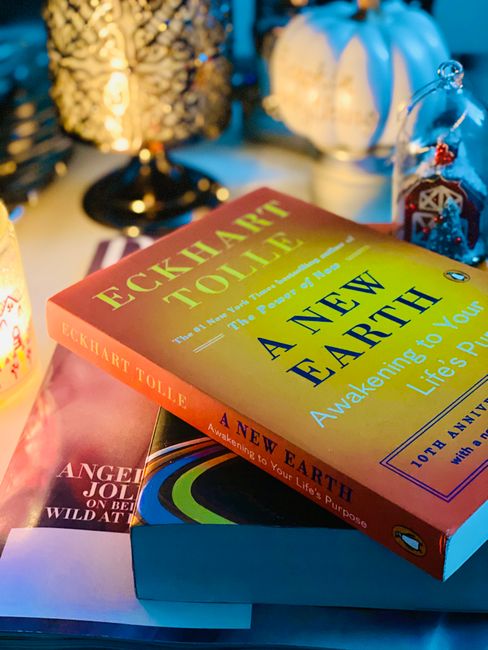

In an age of constant notifications and endless to-do lists, achieving a moment of genuine quiet can feel impossible. Eckhart Tolle’s seminal work, The Power of Now, isn’t just a book; it’s a practical manual for silencing that inner static. It proposes that the root of our stress, anxiety, and dissatisfaction isn’t our external circumstances, but the relentless, compulsive thinking that dominates our consciousness. This guide unpacks Tolle’s core ideas, reframing them as actionable tools for anyone looking to reclaim their mental space from the chaos of modern life.
Before you can quiet the noise, you must understand what’s making it. Tolle pinpoints two primary culprits that operate largely below our conscious awareness, hijacking our peace and emotional stability.
Imagine a narrator in your head that never stops talking. It judges, compares, complains, and worries. This, Tolle explains, is the ego. It’s a false sense of self built from your personal history, your job title, your relationships, and your beliefs. This narrator thrives on conflict and problems because they reinforce its identity. For example, when you endlessly scroll through social media and feel a pang of inadequacy or envy, that’s the ego feeding on comparison. Recognizing this voice not as ‘you’ but as a conditioned mental pattern is the first step toward disarming it.
Have you ever had an emotional overreaction that felt disproportionate to the situation? A minor comment from a colleague sends you into a spiral of anger, or a small mistake triggers overwhelming shame. Tolle calls this phenomenon the ‘pain-body’—an accumulation of unresolved emotional pain from your past. This dormant energy field activates when a present event mirrors a past wound, causing you to re-experience old emotions with fresh intensity. By learning to observe this emotional flare-up with detached awareness, you can stop feeding it with your thoughts and gradually dissolve its power.
For those looking to take the next step, Heal your past, design your future is a resource worth exploring.
For those looking to take the next step, Become an Ultimate Master of your life is a resource worth exploring.
Our minds are natural time travelers, but they often get stuck in the wrong destinations. Tolle argues that the majority of our psychological suffering stems from our inability to inhabit the only moment that is ever real: the present. We are either replaying past grievances and regrets or rehearsing future anxieties. Think of the mental energy wasted reliving an awkward conversation from last week or worrying about a presentation scheduled for next month. Tolle differentiates between practical ‘clock time’—needed to schedule that presentation—and destructive ‘psychological time’. The key is to use clock time for logistics but to release the mental obsession with a past and future that exist only as thoughts.
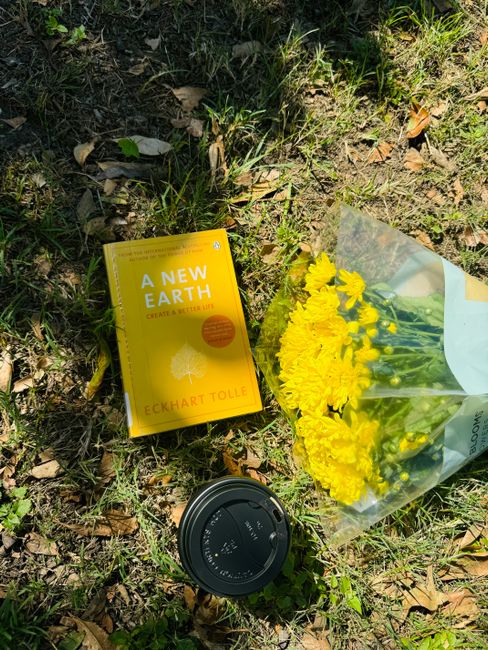
Tolle’s philosophy is deeply practical. He offers straightforward techniques that serve as anchors, pulling your awareness out of the chaotic stream of thought and into the calm of the ‘Now’.
This is the foundational practice. Simply take a step back mentally and observe your thoughts without judgment. Imagine you are sitting on a riverbank watching your thoughts float by like leaves. You don’t try to stop them or change them; you just notice them. This act of ‘watching the thinker’ creates a space between you (the observer) and your mind (the observed), breaking the unconscious identification that gives thoughts their power.
When you’re lost in anxious thought, where is your attention? Almost certainly, it’s trapped in your head. Tolle suggests a simple but profound shift: bring your focus into your body. Feel the subtle sensation of aliveness in your hands. Notice the rise and fall of your breath in your abdomen. This practice of sensing the ‘inner body’ is a powerful way to ground yourself in the present. It pulls energy away from anxious thinking and anchors you in the tangible reality of your physical self, providing an instant reprieve from mental turmoil.
Much of our stress comes from resisting reality. We argue with what has already happened or what is happening right now. You’re stuck in traffic, and you fume with frustration, even though your anger cannot change the situation. Tolle’s concept of ‘surrender’ means radically accepting the present moment as it is, without labels or judgment. This isn’t passive defeat; it’s an intelligent strategy to end self-inflicted suffering. By accepting the reality of the traffic jam, you free your mind to act effectively—perhaps by choosing a different route, making a call, or simply enjoying the unexpected pause.
While transformative, Tolle’s teachings can be misinterpreted. Here’s how to approach them effectively:
The Power of Now offers a compelling alternative to a life run by anxiety and compulsive thought. It provides a direct path to the peace that is always available beneath the surface of our mental noise. This book is for anyone who suspects there is a more sane, present, and fulfilling way to live, and is ready to start the journey of discovering it for themselves, one present moment at a time.

 The Power of Now Review: Lessons from Eckhart Tolle’s ClassicGeneral
 The Power of Now Review: Lessons on Presence & Ending SufferingGeneral
 Book Review: The Power of Now Summary & Key LessonsGeneral
 The Power of Now Review: Lessons on Presence & Inner PeaceGeneral
 The Self-Help De-Influence Movement: Beyond Toxic PositivityGeneral
 Kryon: Ancient Prophecy & Humanity’s Next Evolutionary StepGeneralThe Power of Now Review: Lessons from Eckhart Tolle’s ClassicGeneralThe Power of Now Review: Lessons on Presence & Ending SufferingGeneralBook Review: The Power of Now Summary & Key LessonsGeneralThe Power of Now Review: Lessons on Presence & Inner PeaceGeneral
Sign in without leaving this document. You will return here automatically.

The Ultimate Masters
https://www.ultimatemasters.org
Subscribe for one year to access all your favourite downloads
500 / year
Unlimited downloads forever
Unlimited downloads
Subscribe for one to access hundreds of downloads.
50 / month
Subscribe quarterly/per term
75 / month
The Ultimate Masters
https://www.ultimatemasters.org
Continue directly to this store’s secure WooCommerce checkout.
Earn direct and team commission with personal links, campaign creatives, discount coupons and transparent reporting.
1 responses on "Book Review: The Power of Now by Eckhart Tolle — A Deep Dive"