


Annual
Subscribe for one year to access all your favourite downloads
500 / year


We live in an age of instant gratification, where books are often reduced to star ratings and quick summaries. But what if we could elevate the conversation, moving beyond superficial judgments to explore the true essence of a book? A powerful book review isn’t just a report card; it’s an exploration, a dialogue, and a critical analysis that breathes new life into the written word. Think of it as uncovering hidden gems within a story, rather than just polishing the surface.
The internet is flooded with reviews that prioritize speed and quantity over quality. These “drive-by reviews” typically offer a brief synopsis, a few hastily chosen adjectives, and a numerical score. While they might alert readers to new releases, they often fail to provide the depth and insight needed to make informed decisions. It’s like judging a painting based solely on its colors, ignoring the composition, brushstrokes, and emotional impact.
So, what distinguishes a truly exceptional book review? It’s about going beyond the surface narrative and engaging with the text on multiple levels. Consider these key elements:

An outstanding review transcends plot summaries by delving into character motivations and thematic exploration. What are the driving forces behind the characters’ actions? How do they evolve throughout the narrative? Are they believable and relatable, or are they mere archetypes? Similarly, the review should dissect the book’s underlying themes. What is the author trying to convey about love, loss, ambition, or the human condition? Are these themes effectively explored, and do they resonate with the reader on an emotional level?
The best book reviews strike a delicate balance between objectivity and subjectivity. While it’s essential to provide an unbiased assessment of the book’s strengths and weaknesses, it’s equally important to acknowledge your own personal biases and preferences. A reviewer who loves science fiction, for example, might be more forgiving of certain tropes than a reader who typically prefers literary fiction. Transparency about your own perspective allows readers to better understand your viewpoint and make their own informed decisions.
A discerning reviewer also considers the book’s intended audience. Is it geared towards young adults, seasoned academics, or a general readership? Understanding the target audience helps you evaluate whether the book successfully achieves its goals. A complex philosophical treatise should be judged differently than a lighthearted beach read.
Any claims made in a book review should be supported by concrete evidence from the text. This could include direct quotations, specific examples, or references to particular scenes or chapters. By providing tangible evidence, you strengthen your arguments and make your review more credible.

Reviewers have an ethical obligation to be fair, honest, and respectful in their assessments. This means avoiding personal attacks, disclosing any potential conflicts of interest, and giving credit where credit is due. It also means approaching the author’s work with an open mind, even if you ultimately disagree with their message.
A well-crafted book review can have a profound impact on a book’s success. It can generate excitement, attract new readers, and even influence the author’s future projects. Therefore, it’s crucial for reviewers to take their craft seriously and to produce reviews that are both informative and engaging.
The world of book reviewing is constantly evolving, driven by the rise of social media and online platforms. Traditional print reviews are increasingly being supplemented by blog posts, video essays, and reader reviews on sites like Goodreads and Amazon. This has created new opportunities for writers to share their perspectives, but it has also presented new challenges in terms of maintaining quality and credibility. Navigating this dynamic landscape requires a critical eye and a commitment to upholding the highest standards of journalistic integrity.
Developing a critical eye for book reviewing is a continuous journey. It requires practice, dedication, and a willingness to engage with books on a deeper level. By embracing the principles outlined above, aspiring reviewers can hone their skills and contribute to a more vibrant and informed literary culture.
Finally, it’s essential to recognize the value of diverse perspectives in book reviewing. Different readers will bring different experiences and viewpoints to a book, and these differences can enrich our understanding of the text. By seeking out reviews from a variety of sources, we can gain a more complete and nuanced appreciation of the literary landscape.
In conclusion, the art of critical book reviewing lies in its ability to transcend simple summaries and ratings. By offering insightful analysis, contextual awareness, and engaging with the text on multiple levels, reviewers can empower readers to make informed decisions and to fully appreciate the richness and complexity of literature. It is through this lens that we can truly unlock the magic within the pages and elevate the literary dialogue.
If you want a practical next step, you can also check out Heal your past, design your future.
If you want a practical next step, you can also check out Become an Ultimate Master of your life.


 The Power of Now Review: Summary & Key Lessons by Eckhart TolleGeneral
 The Biology of Belief Review: Lessons on Mind Over MatterGeneral
 The Four Agreements Review: Key Lessons & Summary of a Timeless GuideGeneral
 The Power of Now Review: Lessons on Presence & StillnessGeneral
 The Biology of Belief Review: Summary, Lessons & Why It MattersGeneral
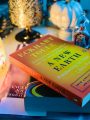 Book Review: The Power of Now by Eckhart Tolle — Summary & LessonsGeneral
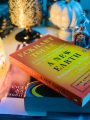 Book Review: The Power of Now by Eckhart Tolle — Summary & LessonsGeneral
 Book Review: The Power of Now by Eckhart Tolle – Summary & LessonsGeneral
 The Power of Now Review: Key Lessons on Presence & PeaceGeneral
 The Power of Now Review: Lessons & Summary for Spiritual SeekersGeneralThe Power of Now Review: Summary & Key Lessons by Eckhart TolleGeneralThe Biology of Belief Review: Lessons on Mind Over MatterGeneralThe Four Agreements Review: Key Lessons & Summary of a Timeless GuideGeneralThe Power of Now Review: Lessons on Presence & StillnessGeneralThe Biology of Belief Review: Summary, Lessons & Why It MattersGeneral
Sign in without leaving this document. You will return here automatically.

The Ultimate Masters
https://www.ultimatemasters.org
Subscribe for one year to access all your favourite downloads
500 / year
Unlimited downloads forever
Unlimited downloads
Subscribe for one to access hundreds of downloads.
50 / month
Subscribe quarterly/per term
75 / month
The Ultimate Masters
https://www.ultimatemasters.org
Continue directly to this store’s secure WooCommerce checkout.
Earn direct and team commission with personal links, campaign creatives, discount coupons and transparent reporting.
0 responses on "The Art of the Critical Eye: Elevating Book Reviews Beyond Summaries"