
Annual
Subscribe for one year to access all your favourite downloads
500 / year
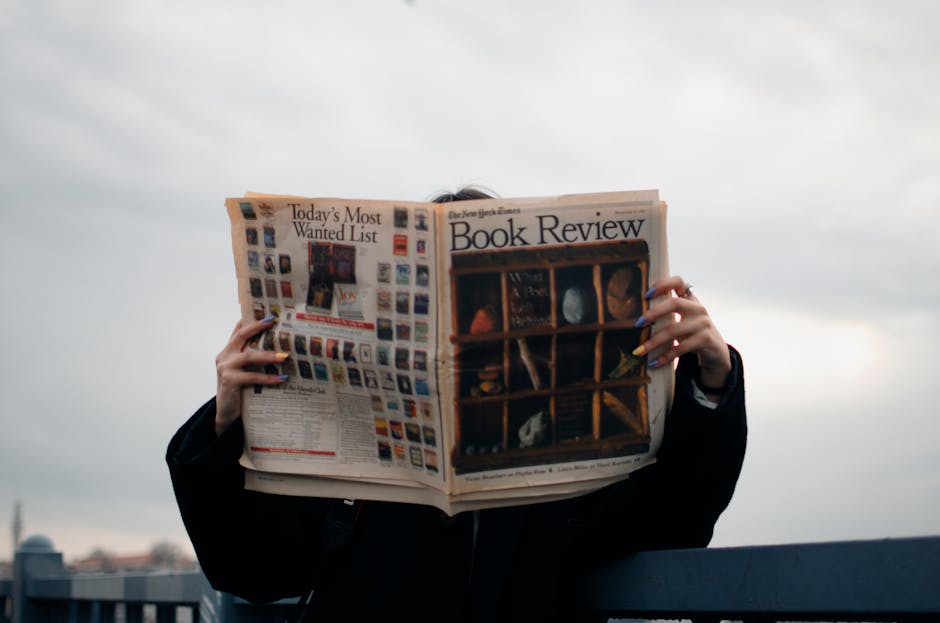

In today’s digital age, where countless books compete for our attention, book reviews serve as essential guides. They’re more than simple endorsements; they’re critical assessments that shape our reading choices and influence the literary landscape. This article explores the multifaceted nature of book reviews, examining their purpose, impact, and how to interpret them effectively.
A well-written book review acts as a bridge between the author’s creation and the reader’s experience. It goes beyond summarizing the plot, delving into the book’s themes, characters, and writing style. By offering insightful analysis and contextual understanding, reviews enrich our reading experience and foster a deeper appreciation for literature. Think of it like a documentary film about a book – it enhances your understanding.
What makes a book review stand out from the crowd? Several key ingredients contribute to its quality and impact. Let’s explore some essential elements:

Before accepting a book review at face value, it’s crucial to consider the reviewer’s perspective. Do they have any known biases or affiliations that might influence their assessment? While complete objectivity is impossible, a good reviewer will strive for fairness and transparency. Consider whether a review of a cookbook is written by a professional chef versus a novice cook.
Book reviews wield considerable power, shaping book sales, author reputations, and the overall literary landscape. Positive reviews can catapult a book to bestseller status, while negative reviews can hinder its success. This influence underscores the importance of responsible and thoughtful criticism.
The internet has democratized book reviewing, empowering anyone to share their opinions on platforms like Goodreads and Amazon. While this has broadened the range of voices, it also presents challenges. It’s essential to discern credible reviews from those that are biased, uninformed, or even malicious. Think of it as navigating a crowded marketplace – you need to be discerning to find the best products.
Ultimately, mastering the art of evaluating book reviews requires cultivating a critical and informed approach. By considering the elements of a strong review, assessing the reviewer’s perspective, and seeking out diverse sources, readers can make informed decisions about what to read and deepen their appreciation for the written word. Book reviews, when approached with discernment, serve as invaluable tools for navigating the vast and ever-evolving world of literature. They are like having a trusted friend recommend your next great read.

If you want a practical next step, you can also check out Heal your past, design your future.
If you want a practical next step, you can also check out Become an Ultimate Master of your life.

 The Power of Now Review: Summary & Key Lessons by Eckhart TolleGeneral
 The Biology of Belief Review: Lessons on Mind Over MatterGeneral
 The Four Agreements Review: Key Lessons & Summary of a Timeless GuideGeneral
 The Power of Now Review: Lessons on Presence & StillnessGeneral
 The Biology of Belief Review: Summary, Lessons & Why It MattersGeneral
 Book Review: The Power of Now by Eckhart Tolle — Summary & LessonsGeneral
 Book Review: The Power of Now by Eckhart Tolle — Summary & LessonsGeneral
 Book Review: The Power of Now by Eckhart Tolle – Summary & LessonsGeneral
 The Power of Now Review: Key Lessons on Presence & PeaceGeneral
 The Power of Now Review: Lessons & Summary for Spiritual SeekersGeneralThe Power of Now Review: Summary & Key Lessons by Eckhart TolleGeneralThe Biology of Belief Review: Lessons on Mind Over MatterGeneralThe Four Agreements Review: Key Lessons & Summary of a Timeless GuideGeneralThe Power of Now Review: Lessons on Presence & StillnessGeneralThe Biology of Belief Review: Summary, Lessons & Why It MattersGeneral
Sign in without leaving this document. You will return here automatically.

The Ultimate Masters
https://www.ultimatemasters.org
Subscribe for one year to access all your favourite downloads
500 / year
Unlimited downloads forever
Unlimited downloads
Subscribe for one to access hundreds of downloads.
50 / month
Subscribe quarterly/per term
75 / month
The Ultimate Masters
https://www.ultimatemasters.org
Continue directly to this store’s secure WooCommerce checkout.
Earn direct and team commission with personal links, campaign creatives, discount coupons and transparent reporting.
0 responses on "The Art of the Critical Eye: Evaluating Book Reviews and Their Impact"