


Annual
Subscribe for one year to access all your favourite downloads
500 / year


Imagine a vast, shimmering galaxy filled with countless books, each a star waiting to be discovered. Book reviews are our spaceships, guiding us through this literary cosmos. They offer perspectives, insights, and warnings, helping us choose which stars to explore. But the galaxy is constantly expanding, with new planets (books) appearing daily, and the old maps (reviews) are being redrawn.
Once, a select few – the literary giants – held the telescopes, dictating which books shone brightest. Their pronouncements, published in prestigious journals, could make or break an author’s career. Think of the New York Times Book Review in its heyday. However, the rise of the internet has democratized access to these telescopes. Now, everyone can share their observations, creating a vibrant, sometimes chaotic, constellation of opinions.
This democratization is a double-edged sword. It allows for a greater diversity of voices and perspectives, ensuring that niche genres and independent authors get their chance to shine. Imagine finding a hidden gem of a sci-fi novel reviewed by a passionate fan on a small blog, a book you might never have discovered otherwise. Yet, this abundance of reviews also presents a challenge: how do we distinguish genuine signals from the noise?
The focus of book reviews is shifting from academic dissection to reader experience. Forget dense literary analysis; today’s readers want to know: Will this book keep me up all night? Will it make me laugh, cry, or think? Will it transport me to another world? Think of it like choosing a restaurant: you’re less interested in the chef’s credentials and more interested in whether the food tastes good and the atmosphere is enjoyable. A review might say, “This thriller had me on the edge of my seat until the very last page!” or “This historical fiction brought the era to life in vivid detail.”
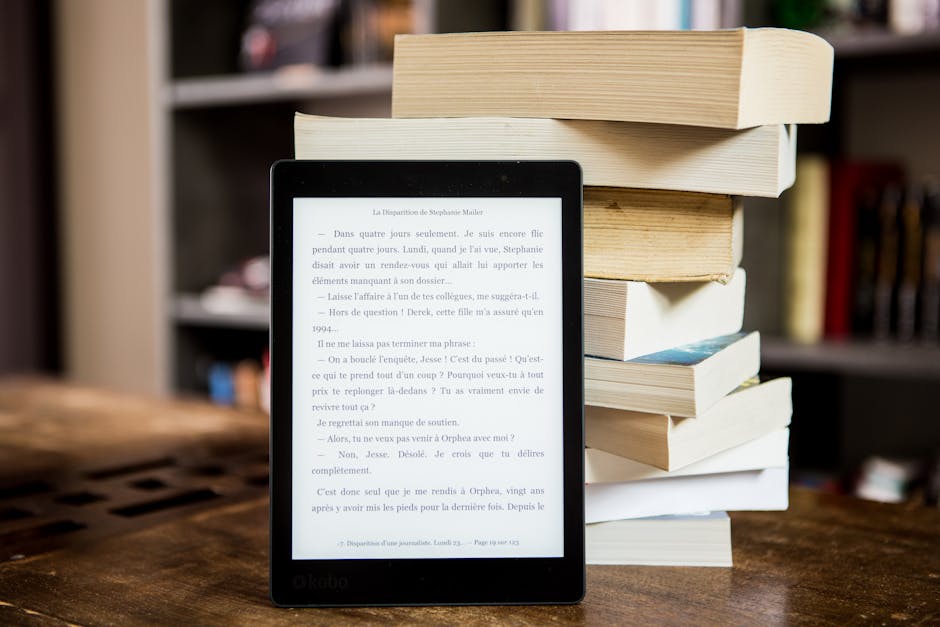
The internet has acted like a hyperdrive, accelerating the creation, sharing, and consumption of book reviews. Platforms like Goodreads and dedicated book blogs have become bustling spaceports where readers congregate to exchange information and discover new destinations. Social media platforms like Instagram and TikTok have further amplified the reach of these reviews, creating a dynamic and interactive galactic network.
Book blogs have emerged as a powerful force, independent explorers charting their own courses through the literary galaxy. These blogs, often run by passionate readers, offer in-depth reviews, author interviews, and behind-the-scenes glimpses into the writing process. They provide a more personal and authentic perspective compared to traditional reviews, often fostering a strong sense of community among readers. Consider a blog dedicated solely to romance novels with plus-size heroines, or another focused on translated works from around the world.
Social media platforms have revolutionized how book reviews are shared and discovered, acting like powerful signal boosters. Readers can easily share their thoughts on books with their followers, creating a ripple effect of recommendations and discussions. Hashtags like #bookreview and #bookstagram have become essential tools for readers to find and engage with book-related content. Imagine a stunning photo of a book cover on Instagram, accompanied by a short, compelling review that instantly piques your interest.
While the democratization of book reviews has brought many benefits, it has also presented some challenges, like navigating treacherous asteroid fields. The sheer volume of reviews can make it difficult to identify credible and trustworthy sources. Additionally, the potential for biased or manipulated reviews raises concerns about the integrity of the review process, like falling into a black hole of misinformation.

The prevalence of fake and biased reviews is a growing concern in the book industry. Some authors or publishers may attempt to manipulate reviews to boost sales or damage the reputation of competitors. Readers should be aware of these potential biases and exercise caution when evaluating reviews, equipping their spaceships with shields against deception.
Here are some tips for identifying fake or biased reviews:
The book review galaxy will continue to evolve in response to technological advancements and changing reader preferences. We can expect to see further integration of multimedia elements, such as video reviews and audio snippets, into the review process, like holographic projections showing scenes from the book. Artificial intelligence may also play a role in analyzing and summarizing reviews, helping readers to quickly identify key insights, like a galactic translator decoding complex literary jargon.
Ultimately, the future of book reviews will depend on the ability to maintain trust and credibility in an increasingly complex and competitive environment. By prioritizing reader needs and promoting ethical review practices, we can ensure that book reviews continue to serve as valuable resources for readers seeking their next great read, guiding them through the vast and ever-expanding literary galaxy.
If you want a practical next step, you can also check out Heal your past, design your future.
If you want a practical next step, you can also check out Become an Ultimate Master of your life.


 Equinox Shift: A Channeled Guide to Global Consciousness ChangeGeneral
 Autumn Equinox: A Channeled Message for Humanity’s Great RebalancingGeneral
 The Great Awakening’s True Purpose | Sara Landon Channels The CouncilGeneral
 Channeled Predictions for the Next 20 Years with Lee HarrisGeneral
 Kuthumi’s 2027 Vision: How to Navigate Humanity’s Great ShiftGeneral
 Humanity’s 2026 Leap: A Channeled Message Breakdown & GuideGeneral
 Navigating the 2027 Shift: A Guide to Personal ConsciousnessGeneral
 The 2027 Shift: A Channeled Guide to Humanity’s Energetic ShiftGeneral
 Kuthumi’s 2027 Prophecy: Humanity’s Great Awakening (Video)General
 Navigating the 2027 Energetic Shift: Kuthumi’s Guide to What’s NextGeneralEquinox Shift: A Channeled Guide to Global Consciousness ChangeGeneralAutumn Equinox: A Channeled Message for Humanity’s Great RebalancingGeneralThe Great Awakening’s True Purpose | Sara Landon Channels The CouncilGeneralChanneled Predictions for the Next 20 Years with Lee HarrisGeneralKuthumi’s 2027 Vision: How to Navigate Humanity’s Great ShiftGeneral
Sign in without leaving this document. You will return here automatically.

The Ultimate Masters
https://www.ultimatemasters.org
Subscribe for one year to access all your favourite downloads
500 / year
Unlimited downloads forever
Unlimited downloads
Subscribe for one to access hundreds of downloads.
50 / month
Subscribe quarterly/per term
75 / month
The Ultimate Masters
https://www.ultimatemasters.org
Continue directly to this store’s secure WooCommerce checkout.
Earn direct and team commission with personal links, campaign creatives, discount coupons and transparent reporting.
0 responses on "The Evolving Landscape of Book Reviews: A Reader-Centric Approach"