
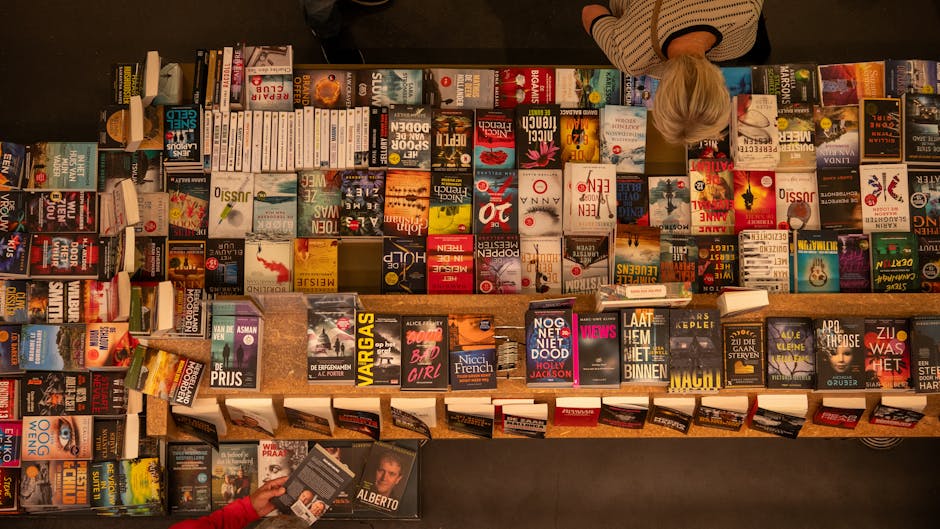

Beyond the Stars: Understanding Modern Book Reviews
In the past, finding a good book meant relying on a select few voices – the professional critics. Their reviews, published in newspapers and literary magazines, held significant sway. Today, the internet has democratized this process. We now have access to countless opinions, from casual readers to dedicated bloggers. This explosion of reviews presents both opportunities and challenges for readers and authors alike.
Instead of simply asking “Is this book good?”, we now need to ask “Is this book right for me?” Understanding the different types of reviews available and how to interpret them is crucial for navigating the modern literary landscape.
The Shifting Power Dynamic: From Critics to Community
Imagine a world where only a handful of chefs determined what everyone ate. That’s similar to how book reviews used to work. A rave review from a prominent critic could catapult a book to bestseller status, while a negative one could bury it. Think of the impact a scathing review from a publication like The New Yorker once had.

Now, platforms like Goodreads and BookTok allow readers to share their thoughts directly, creating a more level playing field. This shift emphasizes community and personalized recommendations over top-down pronouncements.
The Rise of the Reader Review: A Double-Edged Sword
The proliferation of online platforms has empowered readers to become reviewers. This has led to an unprecedented volume of reviews, but also raises questions about credibility and objectivity. Consider these factors:
- Accessibility vs. Expertise: Anyone can review, leading to a wider range of opinions, but not necessarily informed analysis.
- Volume vs. Discernment: Sifting through thousands of reviews can be overwhelming.
- Authenticity vs. Bias: Reviews may be influenced by personal relationships, promotional deals, or even coordinated campaigns.
Despite these potential pitfalls, reader reviews offer valuable insights into how books resonate with different audiences. They can also create a sense of community and connection between readers and authors, fostering deeper engagement with literature.
Strategies for Smart Review Reading
To navigate the online review landscape effectively, consider these strategies:

- Seek out reviewers whose tastes align with your own and who demonstrate a thoughtful approach to reading.
- Don’t rely on a single review. Read a variety of opinions to get a well-rounded perspective.
- Focus on the reviewer’s reasoning and specific examples, rather than simply their star rating.
- Be mindful of potential biases, such as affiliations with publishers or authors.
The Future of Book Discovery: Personalized Recommendations and Trusted Voices
As the volume of book reviews continues to grow, curation and personalization will become even more important. Readers will increasingly rely on trusted sources and algorithms to filter through the noise and discover books that match their individual preferences.
Authors and publishers will need to cultivate relationships with readers and foster a sense of community around their books. This could involve engaging with readers on social media, participating in online book clubs, or offering exclusive content to loyal fans.
The Enduring Value of Professional Criticism
While reader reviews offer valuable perspectives, professional critics still play a crucial role in the literary ecosystem. They provide in-depth analysis, historical context, and a broader understanding of literary trends.
However, professional critics must also adapt to the changing landscape. They need to be more accessible and engaging, using online platforms to connect with readers and share their insights. They also need to be more inclusive, amplifying diverse voices and perspectives.
| Review Source | Benefits | Drawbacks |
|---|---|---|
| Professional Critics (e.g., literary journals) | Deep analysis, expert knowledge, contextual understanding | Potentially elitist, may not reflect common reader tastes, can be slow to adapt to new trends |
| Reader Reviews (e.g., Goodreads, Amazon) | Diverse opinions, easy accessibility, high volume of reviews | Potential for bias, varying levels of expertise, quality control concerns |
| Book Bloggers/Influencers | Enthusiastic, often genre-specific, can foster community | May receive compensation or free books, potential for bias, varying levels of critical analysis |
If you want a practical next step, you can also check out Heal your past, design your future.
If you want a practical next step, you can also check out Become an Ultimate Master of your life.

 The Power of Now Review: Lessons & Summary of Eckhart Tolle’s ClassicGeneral
 The Biology of Belief Review: Lipton’s Key Lessons & SummaryGeneral
 The Power of Now Book Review: Lessons from Eckhart TolleGeneral
 Book Review: The Power of Now — Summary, Lessons & Why It MattersGeneral
 Man’s Search for Meaning: Review, Summary & Key LessonsGeneral
 The Power of Now Review: Lessons & Summary of Tolle’s ClassicGeneral
 Book Review: The Power of Now by Eckhart Tolle — Summary & LessonsGeneral
 Book Review: The Power of Now by Eckhart Tolle — Summary & LessonsGeneral
 Biology of Belief Review: Lipton’s Lessons on Mind Over MatterGeneral
 Book Review: Breaking the Habit of Being Yourself by Joe DispenzaGeneral
- The Power of Now Review: Lessons & Summary of Eckhart Tolle’s ClassicGeneral
- The Biology of Belief Review: Lipton’s Key Lessons & SummaryGeneral
- The Power of Now Book Review: Lessons from Eckhart TolleGeneral
- Book Review: The Power of Now — Summary, Lessons & Why It MattersGeneral
- Man’s Search for Meaning: Review, Summary & Key LessonsGeneral


0 responses on "The Evolving Landscape of Book Reviews: Beyond Consumer Reports, Towards Curated Discovery"