



Annual
Subscribe for one year to access all your favourite downloads
500 / year


Choosing a new book used to involve browsing shelves and relying on trusted critics. Today, the landscape is a dynamic mix of online platforms, reader communities, and algorithmic recommendations. This article explores how book reviews have transformed, examining the forces shaping our reading choices and the challenges of finding genuine guidance in a digital world.
Historically, book reviews were the domain of literary critics in established publications. Think of the New York Times Book Review, setting the standard for literary analysis. These reviews held significant sway, acting as gatekeepers that could make or break a book’s success. Their influence stemmed from expertise and a perceived objectivity.
Now, the power dynamic has shifted. While traditional reviews still hold weight, they share the stage with a multitude of voices. The rise of online platforms has democratized the process, allowing anyone to share their opinion and potentially influence other readers.
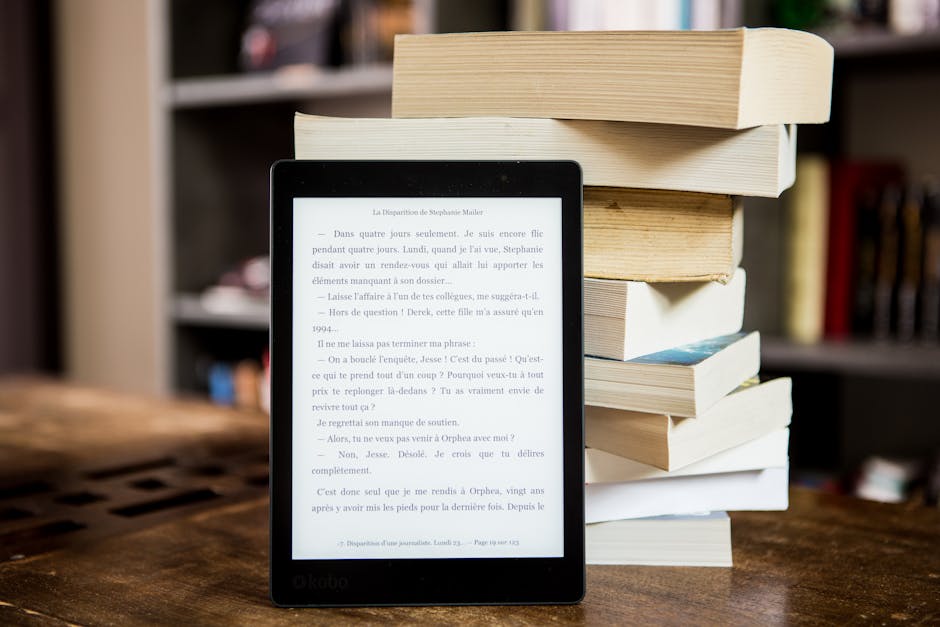
Websites like Goodreads and Amazon have revolutionized how we discover and discuss books. They offer vast collections of user reviews, personalized recommendations, and community forums for book lovers to connect. Consider a reader searching for a new fantasy novel; they are presented with hundreds of reviews, ratings, and suggestions based on their past reading history.
This abundance of information can be both a blessing and a curse. While it provides diverse perspectives, it also introduces the challenge of sifting through biased or unreliable reviews. The sheer volume of opinions can be overwhelming, making it difficult to discern which voices to trust.
Online reviews wield considerable power, impacting book sales, author reputations, and overall reading trends. A surge of positive reviews can propel a book to bestseller status, while a barrage of negative feedback can sink it into obscurity. The immediacy and accessibility of online reviews make them a potent force in the literary world.
Social media has spawned a new breed of book reviewer: the “Bookstagrammer” or “BookToker.” These influencers cultivate dedicated followings by sharing visually appealing photos, engaging videos, and relatable reviews. Their recommendations often resonate with younger audiences, driving sales and shaping reading habits. Imagine a beautifully curated Instagram feed filled with aesthetically pleasing book covers and enthusiastic reviews; this can be a powerful marketing tool for authors.
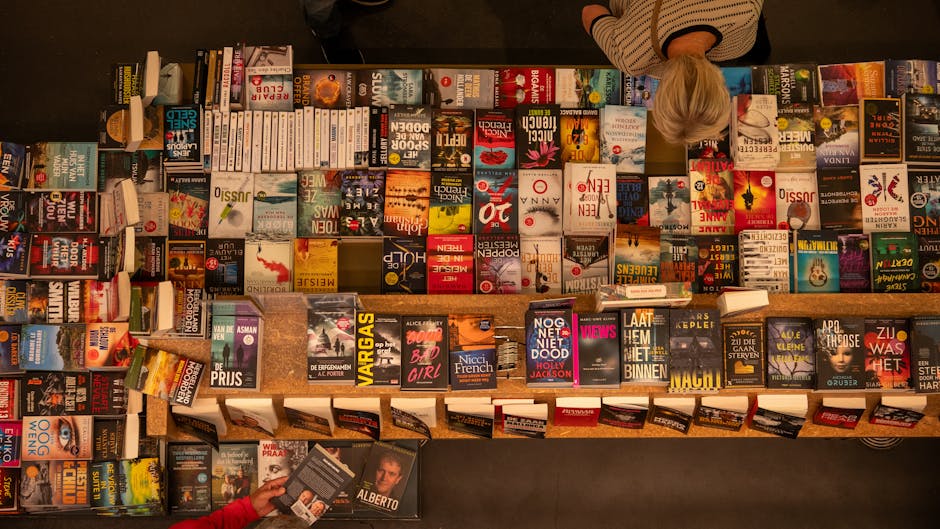
However, the influencer landscape also raises concerns about transparency and authenticity. Sponsored posts and paid reviews can blur the lines between genuine opinion and advertising, making it crucial for readers to critically evaluate the content they consume.
The modern book review landscape presents several challenges. The proliferation of fake reviews, often orchestrated to manipulate ratings, undermines the credibility of online platforms. Furthermore, the echo chamber effect can reinforce existing biases, limiting exposure to diverse perspectives.
Combating these challenges requires a multi-faceted approach. Platforms must invest in robust algorithms to detect and remove fake reviews. Readers need to develop critical thinking skills to evaluate reviews with a discerning eye. And authors must prioritize ethical marketing practices that foster genuine engagement with readers.
Looking ahead, the future of book reviews may involve more sophisticated tools and approaches. AI-powered recommendation systems could analyze nuanced aspects of books, such as writing style and thematic elements, to provide more personalized suggestions. Interactive reviews with multimedia elements could offer a richer and more engaging experience. Imagine a review that incorporates video excerpts from the audiobook or augmented reality features that bring characters to life.
Ultimately, the goal of book discovery remains the same: to connect readers with books they will love. By embracing innovation and fostering a culture of transparency, we can ensure that book reviews continue to play a valuable role in the literary ecosystem.
If you want a practical next step, you can also check out Heal your past, design your future.
If you want a practical next step, you can also check out Become an Ultimate Master of your life.


 Tim Ferriss & The Self-Improvement Trap: Is More Always Better?General
 The Self-Acceptance Protocol: Beyond Endless Self-ImprovementGeneral
 Beyond Bio-Hacking: The Science of Authentic Self-ImprovementGeneral
 Carl Jung: Life, Ideas & The Path to Spiritual WholenessGeneral
 Book Review: The Biology of Belief – Lipton’s Key LessonsGeneral
 Book Review: Breaking the Habit of Being Yourself by Dr. Joe DispenzaGeneralTim Ferriss & The Self-Improvement Trap: Is More Always Better?GeneralThe Self-Acceptance Protocol: Beyond Endless Self-ImprovementGeneral
Sign in without leaving this document. You will return here automatically.

The Ultimate Masters
https://www.ultimatemasters.org
Subscribe for one year to access all your favourite downloads
500 / year
Unlimited downloads forever
Unlimited downloads
Subscribe for one to access hundreds of downloads.
50 / month
Subscribe quarterly/per term
75 / month
The Ultimate Masters
https://www.ultimatemasters.org
Continue directly to this store’s secure WooCommerce checkout.
Earn direct and team commission with personal links, campaign creatives, discount coupons and transparent reporting.
0 responses on "The Evolving Landscape of Book Reviews: From Print to Pixels and Beyond"