


Annual
Subscribe for one year to access all your favourite downloads
500 / year


For generations, the fate of a book often rested in the hands of a select few: professional critics writing for established newspapers and literary journals. While their expertise remains valuable, the internet has ushered in a new era of book reviews, one where every reader has the potential to become a literary influencer. This shift is not just about quantity; it’s about a fundamental change in how we discover, discuss, and ultimately, value books.
Imagine a world where only a handful of chefs determined which restaurants were worth visiting. That’s akin to the pre-internet landscape of book reviews. Today, platforms like BookTok, LibraryThing, and personal blogs have leveled the playing field, allowing diverse voices and perspectives to flourish. The traditional gatekeepers still exist, but their influence is now balanced by the collective wisdom (and occasional whimsy) of the online reading community.
This democratization extends beyond simply offering more opinions. It fosters a more nuanced understanding of what makes a book ‘good.’ Consider a historical fiction novel. A traditional review might focus on its historical accuracy and literary merit. An online review, however, might delve into its emotional impact, its relatability to modern readers, or its ability to spark curiosity about a particular historical period. This multifaceted approach provides a richer and more relevant context for potential readers.
The internet has transformed the act of reading from a solitary pursuit into a shared experience. Online platforms facilitate discussions, recommendations, and even collaborative reading projects, creating vibrant communities centered around books.

Take BookTok, the book-centric corner of TikTok. Short, engaging videos showcase books in creative ways, often focusing on emotional reactions and personal connections. A single BookTok video can send a previously obscure novel soaring to the top of bestseller lists, demonstrating the platform’s immense power to influence reading trends. For example, Colleen Hoover’s novels experienced a massive resurgence in popularity thanks to BookTok.
Similarly, Bookstagram (Instagram for book lovers) offers a visually driven approach to book reviews. Users share aesthetically pleasing photos of books, often accompanied by thoughtful captions and recommendations. Bookstagrammers cultivate dedicated followings, becoming trusted sources for book recommendations and creating a sense of community among their followers. They might showcase indie bookstores or host virtual book clubs.
While the democratization of book reviews offers numerous benefits, it also presents challenges. The sheer volume of online content can be overwhelming, and the anonymity afforded by the internet can lead to biased or even misleading reviews.
One of the biggest concerns is the proliferation of fake reviews, often written by paid reviewers or bots. These reviews can artificially inflate a book’s rating and deceive potential readers. Learning to identify red flags, such as overly enthusiastic language, generic praise, and a lack of specific details, is crucial for navigating the online review landscape. Look for consistent writing styles across multiple reviews from the same user, a telltale sign of bot activity.
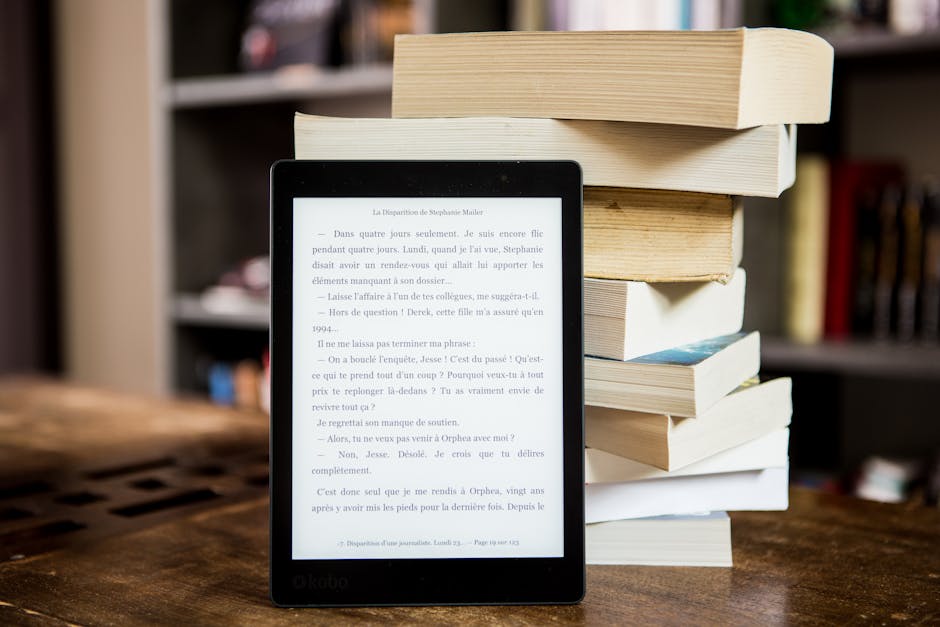
To make informed decisions, readers need to develop critical reading habits. This includes seeking out reviews from diverse sources, considering the reviewer’s perspective, and looking for evidence to support their claims. Don’t rely solely on star ratings; delve into the actual content of the reviews to get a comprehensive understanding of the book’s strengths and weaknesses. Consider following reputable book bloggers or joining online book clubs to gain access to informed and insightful discussions.
The future of book reviews is likely to be even more interactive and personalized. We may see the rise of AI-powered review analysis tools that can identify patterns and trends in reader opinions. Personalized recommendation systems, based on individual reading preferences and social connections, will become even more sophisticated. Ultimately, the goal is to create a more engaging and informative experience for readers, helping them discover books that resonate with their unique tastes and interests. Imagine a future where you can virtually ‘try on’ a book before committing to reading it, based on AI analysis of millions of reviews and reader data.
If you want a practical next step, you can also check out Heal your past, design your future.
If you want a practical next step, you can also check out Become an Ultimate Master of your life.

 Equinox Shift: A Channeled Guide to Global Consciousness ChangeGeneral
 Autumn Equinox: A Channeled Message for Humanity’s Great RebalancingGeneral
 The Great Awakening’s True Purpose | Sara Landon Channels The CouncilGeneral
 Channeled Predictions for the Next 20 Years with Lee HarrisGeneral
 Kuthumi’s 2027 Vision: How to Navigate Humanity’s Great ShiftGeneral
 Humanity’s 2026 Leap: A Channeled Message Breakdown & GuideGeneral
 Navigating the 2027 Shift: A Guide to Personal ConsciousnessGeneral
 The 2027 Shift: A Channeled Guide to Humanity’s Energetic ShiftGeneral
 Kuthumi’s 2027 Prophecy: Humanity’s Great Awakening (Video)General
 Navigating the 2027 Energetic Shift: Kuthumi’s Guide to What’s NextGeneralEquinox Shift: A Channeled Guide to Global Consciousness ChangeGeneralAutumn Equinox: A Channeled Message for Humanity’s Great RebalancingGeneralThe Great Awakening’s True Purpose | Sara Landon Channels The CouncilGeneralChanneled Predictions for the Next 20 Years with Lee HarrisGeneralKuthumi’s 2027 Vision: How to Navigate Humanity’s Great ShiftGeneral
Sign in without leaving this document. You will return here automatically.

The Ultimate Masters
https://www.ultimatemasters.org
Subscribe for one year to access all your favourite downloads
500 / year
Unlimited downloads forever
Unlimited downloads
Subscribe for one to access hundreds of downloads.
50 / month
Subscribe quarterly/per term
75 / month
The Ultimate Masters
https://www.ultimatemasters.org
Continue directly to this store’s secure WooCommerce checkout.
Earn direct and team commission with personal links, campaign creatives, discount coupons and transparent reporting.
0 responses on "The Evolving Landscape of Book Reviews: From Traditional Criticism to Digital Communities"