


Annual
Subscribe for one year to access all your favourite downloads
500 / year
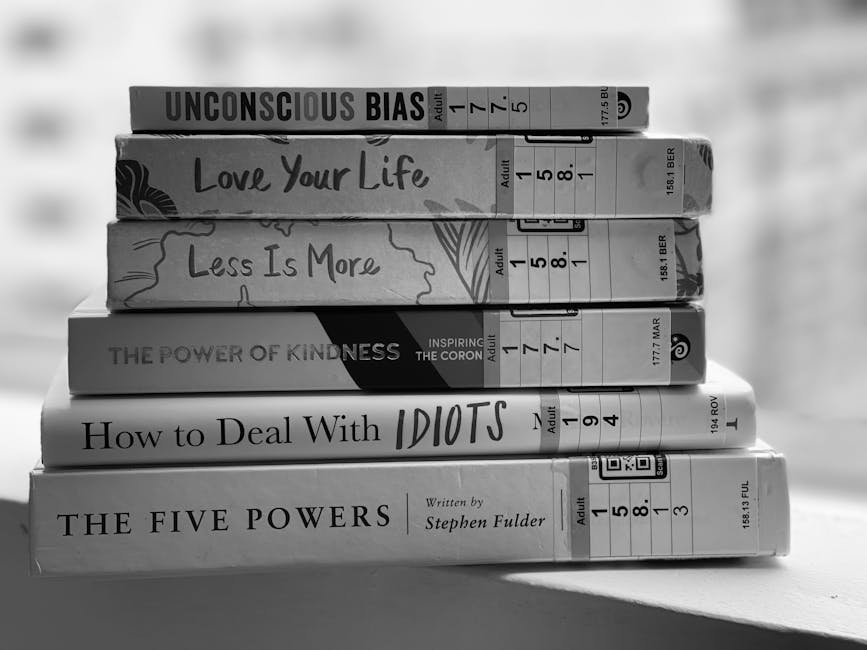

Have you ever pondered why a particular book beckons you from the shelf while others fade into the background? Beyond eye-catching covers and intriguing synopses, book reviews act as silent influencers, subtly guiding our literary explorations. They are the compass needles pointing us toward (or away from) specific reading experiences in the vast library landscape.
This article delves into the psychological currents that flow when we engage with book reviews, examining how they impact our selections, shape our expectations, and ultimately color our overall reading adventure. We’ll explore how these miniature critiques mold our perception of a book’s worth before we even crack the spine.
The psychological concept of ‘herd behavior’ plays a significant role in how we interpret book reviews. Humans are inherently social creatures, and we often look to others for validation, especially when facing uncertainty. Book reviews provide a sense of collective opinion, offering reassurance that a book is either worth our time or perhaps best left untouched.
Imagine standing in a bookstore, overwhelmed by choices. You gravitate towards the ‘New Releases’ table, but where do you begin? Reviews step in as filters, offering concise summaries, varied perspectives, and even star ratings that act as shortcuts. They empower us to make informed decisions without needing to invest hours researching each book individually. For example, a friend recommends “The Midnight Library” by Matt Haig. You see it has thousands of 4- and 5-star reviews. This social proof makes you more likely to pick it up.

Book reviews aren’t uniform; they exist on a spectrum from glowing praise to scathing critique. Understanding how each type affects us psychologically is key. Positive reviews often ignite anticipation, setting the stage for an enjoyable reading experience. This is often referred to as a ‘confirmation bias,’ where we actively seek information that supports our initial positive feelings.
Conversely, negative reviews can introduce doubt and apprehension. They might highlight potential flaws, inconsistencies, or stylistic weaknesses, potentially dampening our enthusiasm. However, even unfavorable reviews can be beneficial. They help us temper our expectations, identify aspects that might not align with our preferences, and ultimately make a more conscious decision. For instance, a review might warn of excessive violence, which could deter some readers while attracting others.
The perceived credibility of the reviewer greatly influences the weight we give to their opinion. A review from a renowned literary critic or a trusted blogger carries more sway than one from an anonymous commenter. Factors such as the reviewer’s expertise, history of insightful commentary, and perceived objectivity contribute to their credibility.
Many platforms now allow users to rate the helpfulness of reviews. Reviews deemed ‘helpful’ by other readers tend to be more influential, creating a feedback loop that amplifies certain opinions. This underscores the importance of critically evaluating the source and considering potential biases. Think of a popular book-reviewing YouTube channel. If the host consistently praises books from a particular publisher, viewers might perceive a bias.
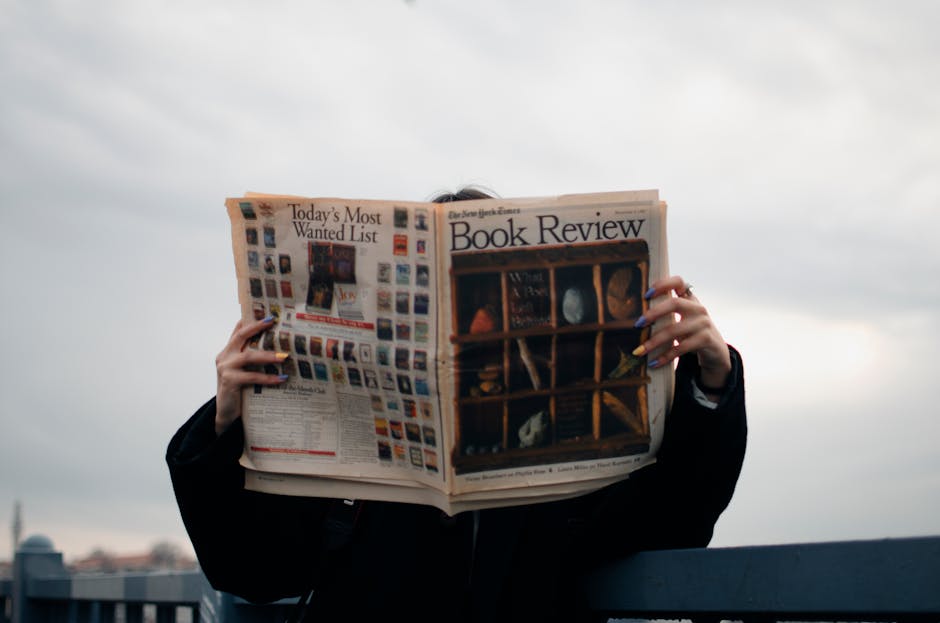
While star ratings offer a quick overview, the qualitative aspects of reviews – the written commentary, nuanced analysis, and personal reflections – provide deeper insights. These elements allow readers to connect with the reviewer’s experience on a more personal level, fostering empathy and understanding.
A well-crafted review can articulate the emotional impact of a book, describe the intricacies of the plot, and analyze the author’s writing style. This level of detail is invaluable in helping readers determine if a book aligns with their individual preferences. Consider a review that doesn’t just say “This book was great!” but instead explains, “The author masterfully used symbolism to explore themes of loss and redemption, creating a deeply moving reading experience.”
Social media platforms and online book communities have amplified the reach and influence of book reviews. Readers can now share their thoughts with a global audience, creating a dynamic environment for literary discussion. Platforms like TikTok’s #BookTok and Instagram’s bookstagram communities have become powerful forces in shaping trends and promoting releases.
However, this accessibility also presents challenges. The sheer volume of reviews can be overwhelming, and the lack of editorial oversight can lead to the spread of biased opinions. It’s crucial to approach online book reviews with a critical eye, considering the source, context, and potential biases. For example, a book promoted heavily by influencers might not necessarily be high-quality; it might simply have a large marketing budget.
Book reviews significantly shape our reading choices. By understanding the psychological forces at play, we can become more discerning readers and make more informed decisions. Whether seeking validation, managing expectations, or exploring new literary horizons, book reviews serve as valuable, though imperfect, guides in the ever-expanding world of literature. By being mindful of these influences, we can curate a reading experience that truly resonates with us.
If you want a practical next step, you can also check out Heal your past, design your future.
If you want a practical next step, you can also check out Become an Ultimate Master of your life.


 Man’s Search for Meaning Review: Frankl’s Lessons on SufferingGeneral
 The Power of Now Review: Summary, Lessons & Core MessageGeneral
 The Power of Now Review: Lessons from Eckhart Tolle’s GuideGeneral
 Book Review: The Prophet by Kahlil Gibran — Summary & LessonsGeneral
 The Biology of Belief Review: Key Lessons & SummaryGeneral
 Book Review: Breaking the Habit of Being Yourself by Dr. Joe DispenzaGeneral
 Book Review: Breaking the Habit of Being Yourself by Joe DispenzaGeneral
 The Power of Now Book Review: Lessons from Eckhart TolleGeneral
 The Power of Now Review: Lessons & Summary of Tolle’s ClassicGeneral
 The Power of Now Review: Summary, Lessons & Why It Still MattersGeneralMan’s Search for Meaning Review: Frankl’s Lessons on SufferingGeneralThe Power of Now Review: Summary, Lessons & Core MessageGeneralThe Power of Now Review: Lessons from Eckhart Tolle’s GuideGeneralBook Review: The Prophet by Kahlil Gibran — Summary & LessonsGeneralThe Biology of Belief Review: Key Lessons & SummaryGeneral
Sign in without leaving this document. You will return here automatically.

The Ultimate Masters
https://www.ultimatemasters.org
Subscribe for one year to access all your favourite downloads
500 / year
Unlimited downloads forever
Unlimited downloads
Subscribe for one to access hundreds of downloads.
50 / month
Subscribe quarterly/per term
75 / month
The Ultimate Masters
https://www.ultimatemasters.org
Continue directly to this store’s secure WooCommerce checkout.
Earn direct and team commission with personal links, campaign creatives, discount coupons and transparent reporting.
0 responses on "The Psychology of Book Reviews: How They Shape Our Choices and Perceptions"